
Immunological Synapse
☆☆☆☆☆
(0 reviews)
Lowest price (incl. delivery)
21 464,00 JPY
Typical price2 864,19 PLN
Lowest (90 days)129,99 PLN
Offers6
Last updated1 สัปดาห์ที่แล้ว
Price history (90 days)
Full history
2026-08-08
2026-08-15
| อัปเดตเมื่อ | ราคา |
|---|---|
| 2026-08-08 | 129,99 |
| 2026-08-15 | 155,99 |
| ผู้ขาย | Product price | Delivery | รวม | ความพร้อมจำหน่าย | Updated | |
|---|---|---|---|---|---|---|
| SP SpringerNatureLink Shop INT | 21 449,00 JPY | 15,00 JPY | 21 464,00 JPY | มีจำหน่าย | 1 สัปดาห์ที่แล้ว | View offer |
| SP Springer Nature Author | 21 449,00 JPY | free | 21 449,00 JPY | มีจำหน่าย | 1 สัปดาห์ที่แล้ว | View offer |
| SP SpringerNatureLink Shop INT | 149,99 USD | 15,00 USD | 164,99 USD | มีจำหน่าย | 1 สัปดาห์ที่แล้ว | View offer |
| SP SpringerNatureLink Shop INT | 169,99 USD | free | 169,99 USD | มีจำหน่าย | 1 สัปดาห์ที่แล้ว | View offer |
| SP SpringerNatureLink Shop INT | 169,99 USD | 29,00 USD | 198,99 USD | มีจำหน่าย | 1 สัปดาห์ที่แล้ว | View offer |
| SP SpringerNatureLink Shop INT | 177,00 EUR | 15,00 EUR | 192,00 EUR | มีจำหน่าย | 1 สัปดาห์ที่แล้ว | View offer |
ราคาและความพร้อมจำหน่ายอาจมีการเปลี่ยนแปลง อัปเดตล่าสุด: 08.08.2026 23:34.
0,0
☆☆☆☆☆
0 reviews
5★
0%
4★
0%
3★
0%
2★
0%
1★
0%
Product reviews
No reviews yet — be the first!
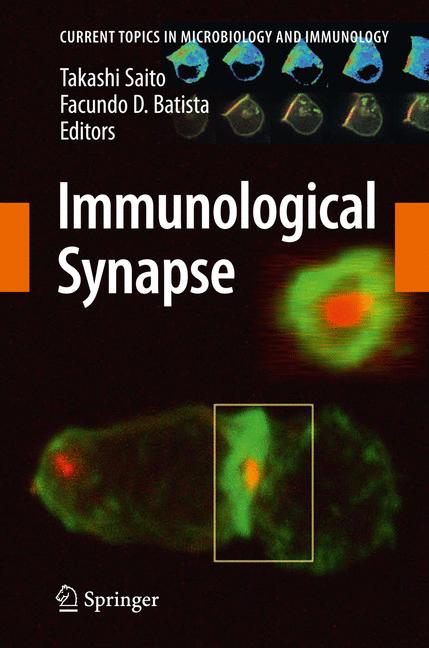
The proper physiological functioning of most eukaryotic cells requires their assembly into multi-cellular tissues that form organized organ systems. Cells of the immune system develop in bone marrow and lymphoid organs, but as the cells mature they leave these organs and circulate as single cells. Antigen receptors (TCRs) of T cells search for membrane MHC proteins that are bound to peptides derived from infectious pathogens or cellular transformations. The detection of such speci?c peptide–MHC antigens initiates T cell activation, adhesion, and immune-effectors functions. Studies of normal and transformed T cell lines and of T cells from transgenic mice led to comprehensive understanding of the mole- lar basis of antigen-receptor recognition and signaling. In spite of these remarkable genetic and biochemical advances, other key physiological mechanisms that par- cipate in sensing and decoding the immune context to induce the appropriate cellular immune responses remain unresolved. TCRrecognition is tightly regulated to trigger sensitive but balanced T cell responses that result in the effective elimination of the pathogens while minimizing collateral damage to the host. The sensitivity of TCR recognition has to be properly tempered to prevent unintended activation by self-peptide–MHC complexes that cause autoimmune diseases. It is likely that once the TCR is engaged by a peptide– MHC and TCR signaling begins, additional regulatory mechanisms, involving other receptors, would increase the ?delity of the response.
Similar products
 50 Years of Philosophy and Medicine
from $107.30
50 Years of Philosophy and Medicine
from $107.30
 Understanding Cybersecurity Law and Digital Privacy
from $122.63
Understanding Cybersecurity Law and Digital Privacy
from $122.63
 Decisions in International Trade and Logistics
from $122.63
Decisions in International Trade and Logistics
from $122.63
 Advances in Economic Measurement
from $122.63
Advances in Economic Measurement
from $122.63
 Nanomaterials
from $137.96
Nanomaterials
from $137.96
 Sustainable Scaffolds-based Strategies in Tissue Engineering and Regenerative Medicine
from $162.87
Sustainable Scaffolds-based Strategies in Tissue Engineering and Regenerative Medicine
from $162.87
 Narratives in Educational Research
from $162.87
Narratives in Educational Research
from $162.87
 Environmental Biology of the Young Chinese Sturgeon
from $210.78
Environmental Biology of the Young Chinese Sturgeon
from $210.78