
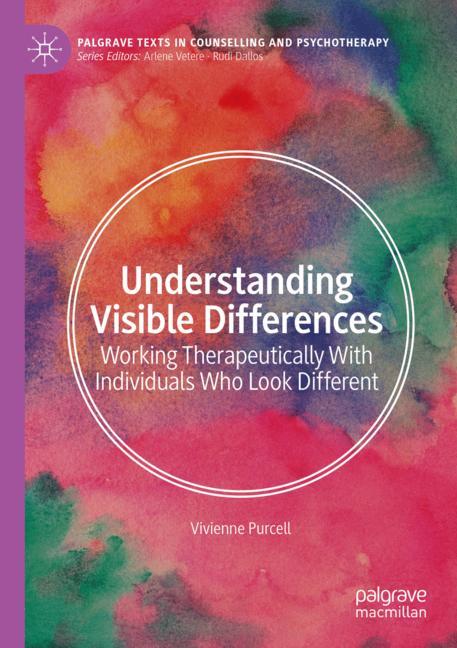
Understanding Visible Differences
☆☆☆☆☆
(0 reviews)
Lowest price (incl. delivery)
52,99 USD
Typical price1 977,53 PLN
Lowest (90 days)19,59 PLN
Offers6
Last updated1 week ago
Price history (90 days)
Full history
2026-08-08
2026-08-15
| Updated At | Price |
|---|---|
| 2026-08-08 | 22,46 |
| 2026-08-14 | 19,59 |
| 2026-08-15 | 5 719,00 |
| Seller | Product price | Delivery | Total | Availability | Updated | |
|---|---|---|---|---|---|---|
| SP SpringerNatureLink Shop INT | 27,99 USD | 25,00 USD | 52,99 USD | Available | 1 day ago | View offer |
| SP SpringerNatureLink Shop INT | 31,49 USD | free | 31,49 USD | Available | 1 day ago | View offer |
| SP SpringerNatureLink Shop INT | 31,49 USD | 29,00 USD | 60,49 USD | Available | 1 day ago | View offer |
| SP SpringerNatureLink Shop INT | 5 719,00 JPY | free | 5 719,00 JPY | Available | 1 day ago | View offer |
| SP Springer Nature Author | 5 719,00 JPY | 19,00 JPY | 5 738,00 JPY | Available | 1 week ago | View offer |
| SP SpringerNatureLink Shop INT | 43,99 EUR | 19,00 EUR | 62,99 EUR | Available | 1 day ago | View offer |
Prices and availability may change. Last Updated: 08.08.2026 08:52.
0,0
☆☆☆☆☆
0 reviews
5★
0%
4★
0%
3★
0%
2★
0%
1★
0%
Product reviews
No reviews yet — be the first!
This book provides an evidence-based guide to working with visible difference in therapeutic practice. It explores how appearance problems intersect with other concerns causing mental health issues and provides clear guidance on treatment plans and related topics. Visible difference is a bigger cause of mental distress than is often realised. One in five people have an appearance that is considered ‘different’ to the normal population. The category of ‘visible difference’, previously described as ‘disfigurement’ or simply ‘disability’ captures a range of conditions with varying aetiology, severity, and extent. Differences in appearance can be the result of a birth anomaly, or be caused later in life through illness, physical trauma, or behaviour. Whatever the cause, visible difference can have a negative effect on how individuals are perceived and view themselves. This timely work arrives at a moment of rising professional interest, due to the growth of social media use and the focus this puts on appearance (“the amplification of appearance bias”), and also influenced by the implications new research. The author draws on these findings together with her own research and practice to examine best practice and key issues in addressing visible difference. Particular consideration is given to establishing a good working therapeutic relationship. Whether a trainee, a recently qualified therapist, or an experienced professional wanting to broaden their understanding, this is the ideal text for anyone wanting to better understand this growing area of therapeutic practice.
Similar products
 50 Years of Philosophy and Medicine
from $107.30
50 Years of Philosophy and Medicine
from $107.30
 Understanding Cybersecurity Law and Digital Privacy
from $122.63
Understanding Cybersecurity Law and Digital Privacy
from $122.63
 Decisions in International Trade and Logistics
from $122.63
Decisions in International Trade and Logistics
from $122.63
 Advances in Economic Measurement
from $122.63
Advances in Economic Measurement
from $122.63
 Nanomaterials
from $137.96
Nanomaterials
from $137.96
 Sustainable Scaffolds-based Strategies in Tissue Engineering and Regenerative Medicine
from $162.87
Sustainable Scaffolds-based Strategies in Tissue Engineering and Regenerative Medicine
from $162.87
 Narratives in Educational Research
from $162.87
Narratives in Educational Research
from $162.87
 Environmental Biology of the Young Chinese Sturgeon
from $210.78
Environmental Biology of the Young Chinese Sturgeon
from $210.78