
Before Sunset
☆☆☆☆☆
(0 reviews)
Lowest price (incl. delivery)
18 604,00 JPY
Typical price1 344,15 PLN
Lowest (90 days)87,50 PLN
Offers2
Last updated16 giờ trước
| Người bán | Product price | Delivery | Tổng cộng | Tình trạng | Updated | |
|---|---|---|---|---|---|---|
| SP Springer Nature Author | 18 589,00 JPY | 15,00 JPY | 18 604,00 JPY | Có sẵn | 15 giờ trước | View offer |
| SP SpringerNatureLink Shop INT | 109,99 GBP | 29,00 GBP | 138,99 GBP | Có sẵn | 1 ngày trước | View offer |
Giá và tình trạng có thể thay đổi. Cập nhật lần cuối: 08.08.2026 22:23.
0,0
☆☆☆☆☆
0 reviews
5★
0%
4★
0%
3★
0%
2★
0%
1★
0%
Product reviews
No reviews yet — be the first!
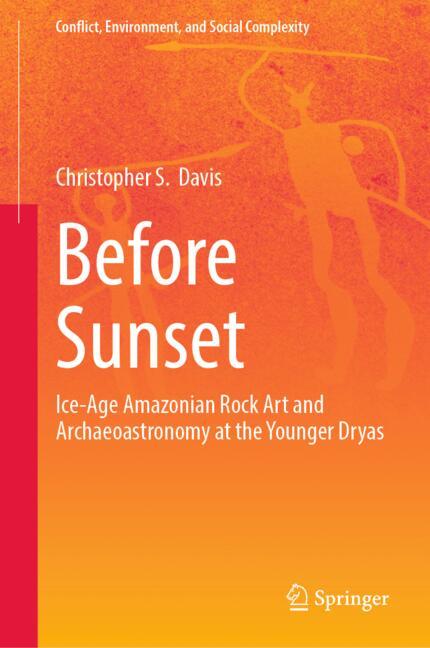
Through a presentation of the oldest rock art dated in the Americas, located in Monte Alegre, Brazil, this book analyzes an ancient ecological-astronomy strategy that theoretically made the rapid human migration in the Americas successful. It helps answer two vital questions long held by scholars and the general public alike: How did humans survive the rapid and massive climate changes at the end of the ice age? And how did founding populations (especially in the Americas) manage successful settlement, relatively rapidly, in ecosystems entirely foreign to them? It further initiates questions about the universal role that astronomy (and even astrology) might have played in cognitive human evolution and the success of burgeoning sedentism and eventual "civilization" throughout the world. The book makes a substantial contribution because of the wealth of cultural information it provides from Monte Alegre. It explains the author's analysis of pictographs, lithics, and landscape modifications that were excavated there and provides novel findings on the chronology and archaeoastronomy of the art. This book is indispensable for courses about Paleoindians, peopling of the Americas, environmental anthropology, cosmology, rock art studies, archeoastronomy, paleoecology, paleoethnobotany, and Amazonia. The pan-American indications of this work will appeal to archaeologists, historians, art historians, folklorists, Native American and Indigenous scholars, evolutionists, cognitive scientists, geographers, and the general public.
Similar products
 Patient Safety Coaching
from $91.97
Patient Safety Coaching
from $91.97
 Ethnography and Diversity
from $69.30
Ethnography and Diversity
from $69.30
 Smart Villages
from $91.97
Smart Villages
from $91.97
 Nuclear Non-Proliferation in International Law - Volume VI
from $91.97
Nuclear Non-Proliferation in International Law - Volume VI
from $91.97
 The Price of Freedom
from $91.97
The Price of Freedom
from $91.97
 Eco-Social Policy in the OECD and the World Bank
from $91.97
Eco-Social Policy in the OECD and the World Bank
from $91.97
 Special Topics in Policing
from $122.58
Special Topics in Policing
from $122.58
 Music from the Heart
from $91.97
Music from the Heart
from $91.97