
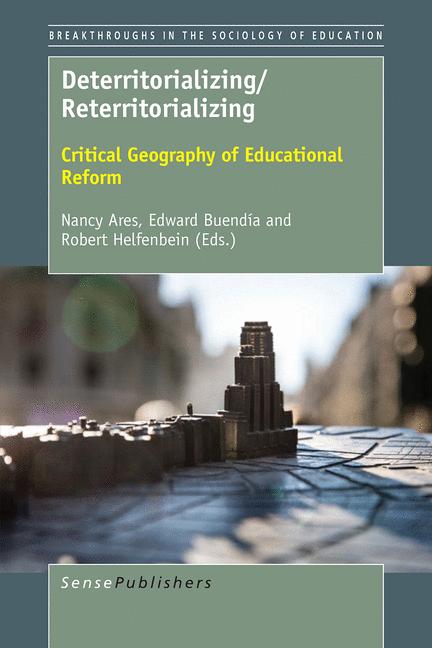
Deterritorializing/Reterritorializing
☆☆☆☆☆
(0 reviews)
Lowest price (incl. delivery)
56,45 USD
Typical price37,82 PLN
Lowest (90 days)37,45 PLN
Offers6
Last updated1 hafta önce
Price history (90 days)
Full history
2026-08-08
2026-08-14
| Güncellenme Tarihi | Fiyat |
|---|---|
| 2026-08-08 | 37,45 |
| 2026-08-14 | 37,45 |
| Satıcı | Product price | Delivery | Toplam | Stok Durumu | Updated | |
|---|---|---|---|---|---|---|
| SP SpringerNatureLink Shop INT | 37,45 USD | 19,00 USD | 56,45 USD | Mevcut | 1 gün önce | View offer |
| SP SpringerNatureLink Shop INT | 37,45 USD | 15,00 USD | 52,45 USD | Mevcut | 1 gün önce | View offer |
| SP SpringerNatureLink Shop INT | 39,99 USD | 19,00 USD | 58,99 USD | Mevcut | 1 gün önce | View offer |
| SP SpringerNatureLink Shop INT | 39,99 USD | free | 39,99 USD | Mevcut | 1 gün önce | View offer |
| SP Springer Nature Author | 39,99 USD | 29,00 USD | 68,99 USD | Mevcut | 1 hafta önce | View offer |
| SP SpringerNatureLink Shop INT | 37,45 EUR | 25,00 EUR | 62,45 EUR | Mevcut | 1 gün önce | View offer |
Fiyatlar ve stok durumu değişebilir. Son Güncelleme: 08.08.2026 08:05.
0,0
☆☆☆☆☆
0 reviews
5★
0%
4★
0%
3★
0%
2★
0%
1★
0%
Product reviews
No reviews yet — be the first!
This volume features scholars who use a critical geography framework to analyze how constructions of social space shape education reform. In particular, they situate their work in present-day neoliberal policies that are pushing responsibility for economic and social welfare, as well as education policy and practice, out of federal and into more local entities. States, cities, and school boards are being given more responsibility and power in determining curriculum content and standards, accompanied by increasing privatization of public education through the rise of charter schools and for-profit organizations’ incursion into managing schools. Given these pressures, critical geography’s unique approach to spatial constructions of schools is crucially important. Reterritorialization and deterritorialization, or the varying flows of people and capital across space and time, are highlighted to understand spatial forces operating on such things as schools, communities, people, and culture. Authors from multiple fields of study contribute to this book’s examination of how social, political, and historical dimensions of spatial forces, especially racial/ethnic and other markers of difference, shape are shaped by processes and outcomes of school reform.
Similar products
 50 Years of Philosophy and Medicine
from $107.30
50 Years of Philosophy and Medicine
from $107.30
 Understanding Cybersecurity Law and Digital Privacy
from $122.63
Understanding Cybersecurity Law and Digital Privacy
from $122.63
 Decisions in International Trade and Logistics
from $122.63
Decisions in International Trade and Logistics
from $122.63
 Advances in Economic Measurement
from $122.63
Advances in Economic Measurement
from $122.63
 Nanomaterials
from $137.96
Nanomaterials
from $137.96
 Sustainable Scaffolds-based Strategies in Tissue Engineering and Regenerative Medicine
from $162.87
Sustainable Scaffolds-based Strategies in Tissue Engineering and Regenerative Medicine
from $162.87
 Narratives in Educational Research
from $162.87
Narratives in Educational Research
from $162.87
 Environmental Biology of the Young Chinese Sturgeon
from $210.78
Environmental Biology of the Young Chinese Sturgeon
from $210.78