
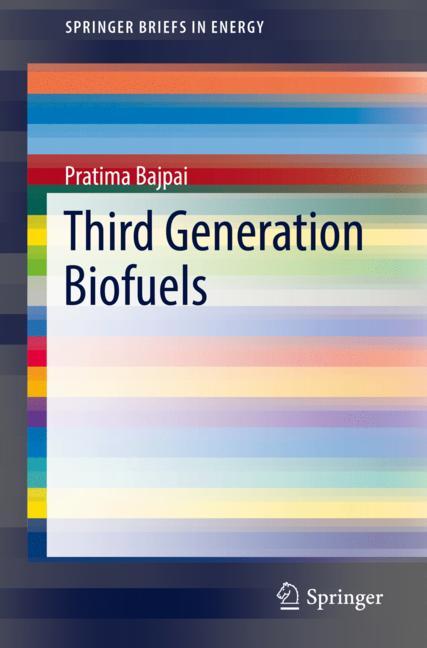
Third Generation Biofuels
☆☆☆☆☆
(0 reviews)
Lowest price (incl. delivery)
7 164,00 JPY
Typical price492,24 PLN
Lowest (90 days)35,99 PLN
Offers6
Last updated1 สัปดาห์ที่แล้ว
Price history (90 days)
Full history
2026-08-08
2026-08-15
| อัปเดตเมื่อ | ราคา |
|---|---|
| 2026-08-08 | 39,99 |
| 2026-08-14 | 35,99 |
| 2026-08-15 | 51,99 |
| ผู้ขาย | Product price | Delivery | รวม | ความพร้อมจำหน่าย | Updated | |
|---|---|---|---|---|---|---|
| SP SpringerNatureLink Shop INT | 7 149,00 JPY | 15,00 JPY | 7 164,00 JPY | มีจำหน่าย | 3 วันที่แล้ว | View offer |
| SP Springer Nature Author | 7 149,00 JPY | free | 7 149,00 JPY | มีจำหน่าย | 1 สัปดาห์ที่แล้ว | View offer |
| SP SpringerNatureLink Shop INT | 49,99 USD | free | 49,99 USD | มีจำหน่าย | 3 วันที่แล้ว | View offer |
| SP SpringerNatureLink Shop INT | 54,99 USD | 25,00 USD | 79,99 USD | มีจำหน่าย | 3 วันที่แล้ว | View offer |
| SP SpringerNatureLink Shop INT | 54,99 USD | free | 54,99 USD | มีจำหน่าย | 3 วันที่แล้ว | View offer |
| SP SpringerNatureLink Shop INT | 59,00 EUR | free | 59,00 EUR | มีจำหน่าย | 3 วันที่แล้ว | View offer |
ราคาและความพร้อมจำหน่ายอาจมีการเปลี่ยนแปลง อัปเดตล่าสุด: 08.08.2026 23:09.
0,0
☆☆☆☆☆
0 reviews
5★
0%
4★
0%
3★
0%
2★
0%
1★
0%
Product reviews
No reviews yet — be the first!
Growing concerns about the rapid depletion of fossil fuel reserves, rising crude oil prices, energy security and global climate change have led to increased worldwide interest in renewable energy sources such as biofuels. In this context, biofuel production from renewable sources is considered to be one of the most sustainable alternatives to fossil fuels and a viable means of achieving environmental and economic sustainability. Although biofuel processes hold great potential to provide a carbon-neutral route to fuel production, first-generation production systems are characterized by considerable economic and environmental limitations. The advent of second-generation biofuels is intended to produce fuels from lignocellulosic biomass, the woody part of plants that does not compete with food production. However, converting woody biomass into fermentable sugars requires costly technologies. Therefore, third-generation biofuelsfrom microalgae are considered to be a viable alternative energy resource, free from the major drawbacks associated with first and second-generation biofuels. This book examines the background of third-generation biofuel production; the advantages of algae over traditional biofuel crops; algal biomass production; algae harvesting and drying methods; production of biofuel from microalgae; and future prospects.
Similar products
 50 Years of Philosophy and Medicine
from $107.30
50 Years of Philosophy and Medicine
from $107.30
 Understanding Cybersecurity Law and Digital Privacy
from $122.63
Understanding Cybersecurity Law and Digital Privacy
from $122.63
 Decisions in International Trade and Logistics
from $122.63
Decisions in International Trade and Logistics
from $122.63
 Advances in Economic Measurement
from $122.63
Advances in Economic Measurement
from $122.63
 Nanomaterials
from $137.96
Nanomaterials
from $137.96
 Sustainable Scaffolds-based Strategies in Tissue Engineering and Regenerative Medicine
from $162.87
Sustainable Scaffolds-based Strategies in Tissue Engineering and Regenerative Medicine
from $162.87
 Narratives in Educational Research
from $162.87
Narratives in Educational Research
from $162.87
 Environmental Biology of the Young Chinese Sturgeon
from $210.78
Environmental Biology of the Young Chinese Sturgeon
from $210.78