
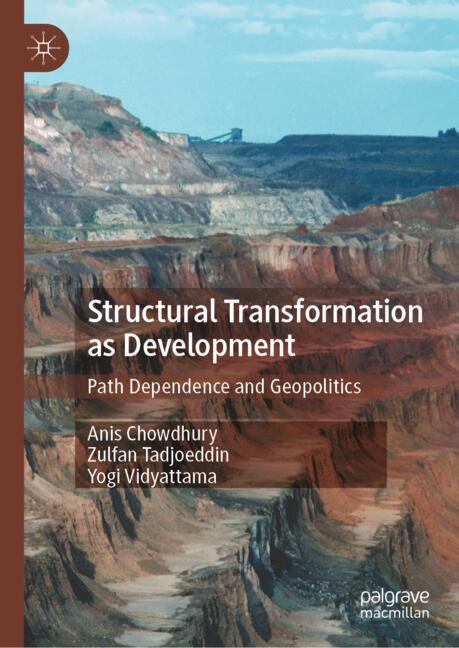
Structural Transformation as Development
☆☆☆☆☆
(0 reviews)
Lowest price (incl. delivery)
101,80 EUR
Typical price3 195,10 PLN
Lowest (90 days)62,30 PLN
Offers2
Last updated7 ชั่วโมงที่แล้ว
| ผู้ขาย | Product price | Delivery | รวม | ความพร้อมจำหน่าย | Updated | |
|---|---|---|---|---|---|---|
| SP SpringerNatureLink Shop INT | 72,80 EUR | 29,00 EUR | 101,80 EUR | มีจำหน่าย | 17 ชั่วโมงที่แล้ว | View offer |
| SP Springer Nature Author | 12 583,00 JPY | 15,00 JPY | 12 598,00 JPY | มีจำหน่าย | 7 ชั่วโมงที่แล้ว | View offer |
ราคาและความพร้อมจำหน่ายอาจมีการเปลี่ยนแปลง อัปเดตล่าสุด: 08.08.2026 23:22.
EAN
9789819790920
Springer Nature
0,0
☆☆☆☆☆
0 reviews
5★
0%
4★
0%
3★
0%
2★
0%
1★
0%
Product reviews
No reviews yet — be the first!
This book evaluates development progress using the lens of structural transformation in four groups of developing countries: Africa’s least developed countries (LDCs), Asia’s LDCs, landlocked Central Asian countries, and Pacific small island states. The analysis presented is contextualized in the diverse economic characteristics and geopolitical landscape of the four categories of countries. It emphasises critical binding factors unique for each category. Therefore, the chapter on Africa’s LDCs emphasises their path dependence determined by colonial exploitation and maintained through neo-colonial arrangements. The chapter on Asia’s LDCs highlights their democratic deficits and influences of geopolitical rivalries among global and regional powers. The chapter on landlocked Central Asian countries focuses more on the unique transition experience of those countries coming out from USSR hinterlands to independent states in the wake of the third wave of democratisation in the 1990s. Lastly the evaluation of Pacific small island states is very much influenced by the fate of geography for being small in size and remotely located. The diverse coverage offers readers rich political economy explanations of varied, but largely poor, structural transformation experiences. The book is nontechnical, with descriptive, narrative, and analytical approaches on comparative development, making it suitable and accessible for non-specialist audiences.
Similar products
 Patient Safety Coaching
from $91.97
Patient Safety Coaching
from $91.97
 Ethnography and Diversity
from $69.30
Ethnography and Diversity
from $69.30
 Smart Villages
from $91.97
Smart Villages
from $91.97
 Nuclear Non-Proliferation in International Law - Volume VI
from $91.97
Nuclear Non-Proliferation in International Law - Volume VI
from $91.97
 The Price of Freedom
from $91.97
The Price of Freedom
from $91.97
 Eco-Social Policy in the OECD and the World Bank
from $91.97
Eco-Social Policy in the OECD and the World Bank
from $91.97
 Special Topics in Policing
from $122.58
Special Topics in Policing
from $122.58
 Music from the Heart
from $91.97
Music from the Heart
from $91.97