
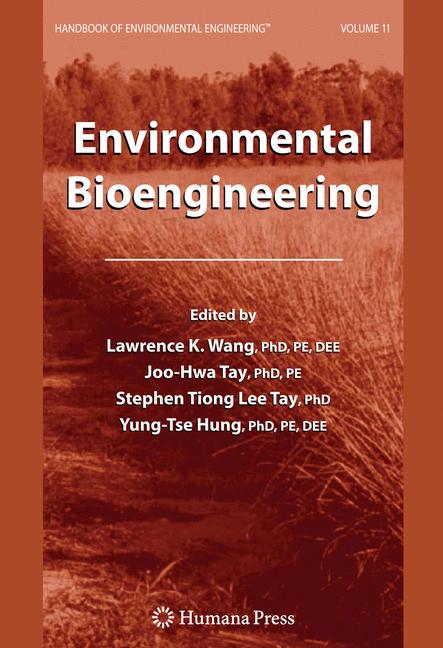
Environmental Bioengineering
☆☆☆☆☆
(0 reviews)
Lowest price (incl. delivery)
169,00 USD
Typical price4 723,27 PLN
Lowest (90 days)160,49 PLN
Offers7
Last updated1 สัปดาห์ที่แล้ว
Price history (90 days)
Full history
2026-08-08
2026-08-15
| อัปเดตเมื่อ | ราคา |
|---|---|
| 2026-08-08 | 160,49 |
| 2026-08-15 | 179,99 |
| ผู้ขาย | Product price | Delivery | รวม | ความพร้อมจำหน่าย | Updated | |
|---|---|---|---|---|---|---|
| SP SpringerNatureLink Shop INT | 169,00 USD | free | 169,00 USD | มีจำหน่าย | 3 วันที่แล้ว | View offer |
| SP SpringerNatureLink Shop INT | 28 599,00 JPY | free | 28 599,00 JPY | มีจำหน่าย | 3 วันที่แล้ว | View offer |
| SP Springer Nature Author | 28 599,00 JPY | 19,00 JPY | 28 618,00 JPY | มีจำหน่าย | 1 สัปดาห์ที่แล้ว | View offer |
| SP SpringerNatureLink Shop INT | 199,99 USD | 15,00 USD | 214,99 USD | มีจำหน่าย | 3 วันที่แล้ว | View offer |
| SP SpringerNatureLink Shop INT | 219,99 USD | 29,00 USD | 248,99 USD | มีจำหน่าย | 3 วันที่แล้ว | View offer |
| SP SpringerNatureLink Shop INT | 219,99 USD | 19,00 USD | 238,99 USD | มีจำหน่าย | 3 วันที่แล้ว | View offer |
| SP SpringerNatureLink Shop INT | 236,00 EUR | 29,00 EUR | 265,00 EUR | มีจำหน่าย | 3 วันที่แล้ว | View offer |
ราคาและความพร้อมจำหน่ายอาจมีการเปลี่ยนแปลง อัปเดตล่าสุด: 08.08.2026 23:36.
0,0
☆☆☆☆☆
0 reviews
5★
0%
4★
0%
3★
0%
2★
0%
1★
0%
Product reviews
No reviews yet — be the first!
The past 30 years have seen the emergence of a growing desire worldwide that positive actions be taken to restore and protect the environment from the degrading effects of all forms of pollution – air, water, soil, and noise. Since pollution is a direct or indirect consequence of waste production, the seemingly idealistic demand for “zero discharge” can be construed as an unrealistic demand for zero waste. However, as long as waste continues to exist, we can only attempt to abate the subsequent pollution by converting it to a less noxious form. Three major questions usually arise when a particular type of pollution has been identi ed: (1) How serious is the pollution? (2) Is the technology to abate it available? and (3) Do the costs of abatement justify the degree of abatement achieved? This book is one of the volumes of the Handbook of Environmental Engineering series. The principal intention of this series is to help readers formulate answers to the above three questions. The traditional approach of applying tried-and-true solutions to speci c pollution problems has been a major contributing factor to the success of environmental engineering, and has accounted in large measure for the establishment of a “methodology of pollution control. ” However, the realization of the ever-increasing complexity and interrelated nature of current environmental problems renders it imperative that intelligent planning of pollution abatement systems be undertaken.
Similar products
 50 Years of Philosophy and Medicine
from $107.30
50 Years of Philosophy and Medicine
from $107.30
 Understanding Cybersecurity Law and Digital Privacy
from $122.63
Understanding Cybersecurity Law and Digital Privacy
from $122.63
 Decisions in International Trade and Logistics
from $122.63
Decisions in International Trade and Logistics
from $122.63
 Advances in Economic Measurement
from $122.63
Advances in Economic Measurement
from $122.63
 Nanomaterials
from $137.96
Nanomaterials
from $137.96
 Sustainable Scaffolds-based Strategies in Tissue Engineering and Regenerative Medicine
from $162.87
Sustainable Scaffolds-based Strategies in Tissue Engineering and Regenerative Medicine
from $162.87
 Narratives in Educational Research
from $162.87
Narratives in Educational Research
from $162.87
 Environmental Biology of the Young Chinese Sturgeon
from $210.78
Environmental Biology of the Young Chinese Sturgeon
from $210.78