
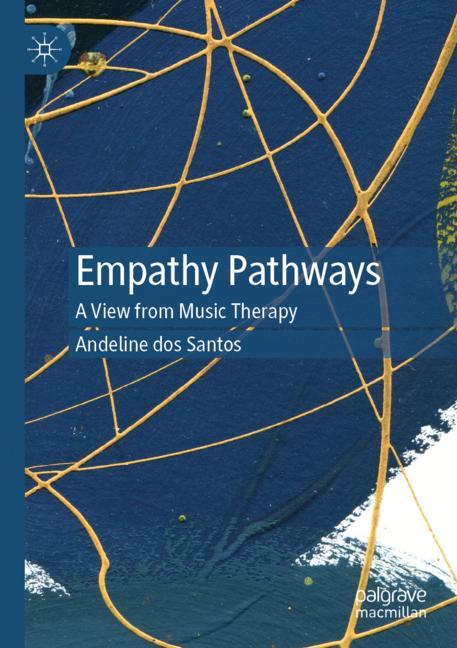
Empathy Pathways
☆☆☆☆☆
(0 reviews)
Lowest price (incl. delivery)
99,99 USD
Typical price1 130,59 PLN
Lowest (90 days)71,50 PLN
Offers7
Last updated1 สัปดาห์ที่แล้ว
Price history (90 days)
Full history
2026-08-08
2026-08-15
| อัปเดตเมื่อ | ราคา |
|---|---|
| 2026-08-08 | 84,99 |
| 2026-08-15 | 71,50 |
| ผู้ขาย | Product price | Delivery | รวม | ความพร้อมจำหน่าย | Updated | |
|---|---|---|---|---|---|---|
| SP SpringerNatureLink Shop INT | 84,99 USD | 15,00 USD | 99,99 USD | มีจำหน่าย | 2 วันที่แล้ว | View offer |
| SP SpringerNatureLink Shop INT | 14 299,00 JPY | 25,00 JPY | 14 324,00 JPY | มีจำหน่าย | 2 วันที่แล้ว | View offer |
| SP Springer Nature Author | 14 299,00 JPY | 15,00 JPY | 14 314,00 JPY | มีจำหน่าย | 1 สัปดาห์ที่แล้ว | View offer |
| SP SpringerNatureLink Shop INT | 99,99 USD | free | 99,99 USD | มีจำหน่าย | 2 วันที่แล้ว | View offer |
| SP SpringerNatureLink Shop INT | 109,99 USD | 19,00 USD | 128,99 USD | มีจำหน่าย | 2 วันที่แล้ว | View offer |
| SP SpringerNatureLink Shop INT | 109,99 USD | free | 109,99 USD | มีจำหน่าย | 2 วันที่แล้ว | View offer |
| SP SpringerNatureLink Shop INT | 118,00 EUR | 25,00 EUR | 143,00 EUR | มีจำหน่าย | 2 วันที่แล้ว | View offer |
ราคาและความพร้อมจำหน่ายอาจมีการเปลี่ยนแปลง อัปเดตล่าสุด: 08.08.2026 23:20.
0,0
☆☆☆☆☆
0 reviews
5★
0%
4★
0%
3★
0%
2★
0%
1★
0%
Product reviews
No reviews yet — be the first!
Many descriptions of empathy revolve around sharing in and understanding another person’s emotions. One separate person gains access to the emotional world of another. An entire worldview holds up this idea. It is individualistic and affirms the possibility of access to other people’s “inner world.” Can we really see inside another, though? And are we discrete, separate selves? How can we best grapple with these questions in the field of music therapy? In response, this book offers four empathy pathways. Two are situated in a constituent approach (that prioritises discrete individuals who then enter into relationships with one another) and two are located in relational approaches (that acknowledge the foundational reality of relationships themselves). By understanding empathy more fully, music therapists, teachers and researchers can engage in ways that are congruent with diverse worldviews and ways of being. Examples used in the book are from active and receptive music therapyapproaches as well as from community and clinical contexts, so as to provide clear links to practice. This book will be a valuable resource for academics and postgraduate students within music therapy and allied fields including art therapy, drama therapy, dance/movement therapy, psychology, counselling, occupational therapy and social development studies.
Similar products
 50 Years of Philosophy and Medicine
from $107.30
50 Years of Philosophy and Medicine
from $107.30
 Understanding Cybersecurity Law and Digital Privacy
from $122.63
Understanding Cybersecurity Law and Digital Privacy
from $122.63
 Decisions in International Trade and Logistics
from $122.63
Decisions in International Trade and Logistics
from $122.63
 Advances in Economic Measurement
from $122.63
Advances in Economic Measurement
from $122.63
 Nanomaterials
from $137.96
Nanomaterials
from $137.96
 Sustainable Scaffolds-based Strategies in Tissue Engineering and Regenerative Medicine
from $162.87
Sustainable Scaffolds-based Strategies in Tissue Engineering and Regenerative Medicine
from $162.87
 Narratives in Educational Research
from $162.87
Narratives in Educational Research
from $162.87
 Environmental Biology of the Young Chinese Sturgeon
from $210.78
Environmental Biology of the Young Chinese Sturgeon
from $210.78