
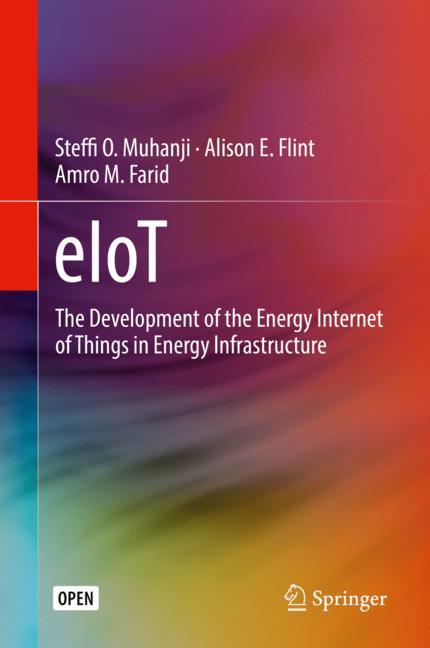
eIoT
☆☆☆☆☆
(0 reviews)
Lowest price (incl. delivery)
7 178,00 JPY
Typical price557,79 PLN
Lowest (90 days)44,99 PLN
Offers6
Last updated6 วันที่แล้ว
Price history (90 days)
Full history
2026-08-08
2026-08-15
| อัปเดตเมื่อ | ราคา |
|---|---|
| 2026-08-08 | 49,99 |
| 2026-08-14 | 44,99 |
| 2026-08-15 | 51,99 |
| ผู้ขาย | Product price | Delivery | รวม | ความพร้อมจำหน่าย | Updated | |
|---|---|---|---|---|---|---|
| SP SpringerNatureLink Shop INT | 7 149,00 JPY | 29,00 JPY | 7 178,00 JPY | มีจำหน่าย | 6 นาทีที่แล้ว | View offer |
| SP Springer Nature Author | 7 149,00 JPY | 29,00 JPY | 7 178,00 JPY | มีจำหน่าย | 6 วันที่แล้ว | View offer |
| SP SpringerNatureLink Shop INT | 49,99 USD | 15,00 USD | 64,99 USD | มีจำหน่าย | 8 ชั่วโมงที่แล้ว | View offer |
| SP SpringerNatureLink Shop INT | 54,99 EUR | 29,00 EUR | 83,99 EUR | มีจำหน่าย | 7 ชั่วโมงที่แล้ว | View offer |
| SP SpringerNatureLink Shop INT | 59,99 USD | 19,00 USD | 78,99 USD | มีจำหน่าย | 6 ชั่วโมงที่แล้ว | View offer |
| SP SpringerNatureLink Shop INT | 59,99 USD | 15,00 USD | 74,99 USD | มีจำหน่าย | 6 ชั่วโมงที่แล้ว | View offer |
ราคาและความพร้อมจำหน่ายอาจมีการเปลี่ยนแปลง อัปเดตล่าสุด: 08.08.2026 23:12.
0,0
☆☆☆☆☆
0 reviews
5★
0%
4★
0%
3★
0%
2★
0%
1★
0%
Product reviews
No reviews yet — be the first!
This open access book explores the collision between the sustainable energy transition and the Internet of Things (IoT). In that regard, this book’s arrival is timely. Not only is the Internet of Things for energy applications, herein called the energy Internet of Things (eIoT), rapidly developing but also the transition towards sustainable energy to abate global climate is very much at the forefront of public discourse. It is within the context of these two dynamic thrusts, digitization and global climate change, that the energy industry sees itself undergoing significant change in how it is operated and managed. This book recognizes that they impose five fundamental energy management change drivers: 1.) the growing demand for electricity, 2.) the emergence of renewable energy resources, 3.) the emergence of electrified transportation, 4.) the deregulation of electric power markets, 5.) and innovations in smart grid technology. Together, they challenge many of the assumptions upon which the electric grid was first built. The goal of this book is to provide a single integrated picture of how eIoT can come to transform our energy infrastructure. This book links the energy management change drivers mentioned above to the need for a technical energy management solution. It, then, describes how eIoT meets many of the criteria required for such a technical solution. In that regard, the book stresses the ability of eIoT to add sensing, decision-making, and actuation capabilities to millions or perhaps even billions of interacting “smart" devices. With such a large scale transformation composed of so many independent actions, the book also organizes the discussion into a single multi-layer energy management control loop structure. Consequently, much attention is given to not just network-enabled physical devices but also communication networks, distributed control & decision making, and finally technical architectures and standards. Having gone into the detail of these many simultaneously developing technologies, the book returns to how these technologies when integrated form new applications for transactive energy. In that regard, it highlights several eIoT-enabled energy management use cases that fundamentally change the relationship between end users, utilities, and grid operators. Consequently, the book discusses some of the emerging applications for utilities, industry, commerce, and residences. The book concludes that these eIoT applications will transform today’s grid into one that is much more responsive, dynamic, adaptive and flexible. It also concludes that this transformation will bring about new challenges and opportunities for the cyber-physical-economic performance of the grid and the business models of its increasingly growing number of participants and stakeholders.
Similar products
 Continuum Damage Mechanics
from $234.33
Continuum Damage Mechanics
from $234.33
 Precision in Crop Farming
from $234.33
Precision in Crop Farming
from $234.33
 Totality and Infinity
from $164.03
Totality and Infinity
from $164.03
 Zoonoses - Infections Affecting Humans and Animals
from $234.33
Zoonoses - Infections Affecting Humans and Animals
from $234.33
 Proceedings of the 5th International Conference on Smart City and Green Energy
from $234.33
Proceedings of the 5th International Conference on Smart City and Green Energy
from $234.33
 Advances in Bio-inspired System and Robotics
from $234.33
Advances in Bio-inspired System and Robotics
from $234.33
 Proceedings of the 5th International Conference on Smart City and Green Energy
from $239.00
Proceedings of the 5th International Conference on Smart City and Green Energy
from $239.00
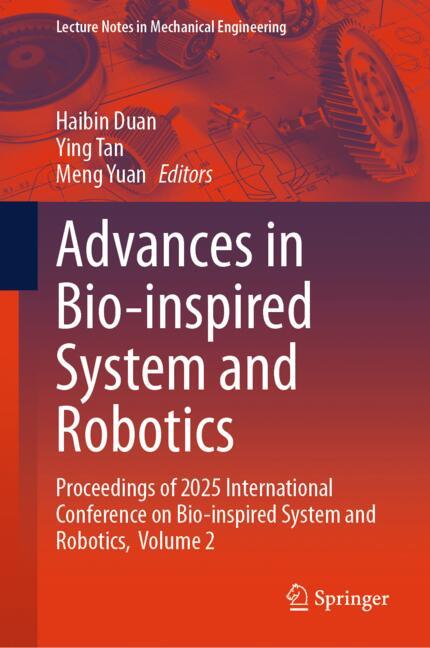 Advances in Bio-inspired System and Robotics
from $239.00
Advances in Bio-inspired System and Robotics
from $239.00