
Computing Systems for Autonomous Driving
☆☆☆☆☆
(0 reviews)
Lowest price (incl. delivery)
14 871,00 JPY
Typical price14 871,00 PLN
Lowest (90 days)14 871,00 PLN
Offers3
Last updated5 วันที่แล้ว
| ผู้ขาย | Product price | Delivery | รวม | ความพร้อมจำหน่าย | Updated | |
|---|---|---|---|---|---|---|
| SP SpringerNatureLink Shop INT | 14 871,00 JPY | free | 14 871,00 JPY | มีจำหน่าย | 4 วันที่แล้ว | View offer |
| SP Springer Nature Author | 14 871,00 JPY | 15,00 JPY | 14 886,00 JPY | มีจำหน่าย | 1 สัปดาห์ที่แล้ว | View offer |
| SP SpringerNatureLink Shop INT | 122,50 EUR | free | 122,50 EUR | มีจำหน่าย | 5 วันที่แล้ว | View offer |
ราคาและความพร้อมจำหน่ายอาจมีการเปลี่ยนแปลง อัปเดตล่าสุด: 15.08.2026 04:39.
EAN
9783030815646
Springer Nature
0,0
☆☆☆☆☆
0 reviews
5★
0%
4★
0%
3★
0%
2★
0%
1★
0%
Product reviews
No reviews yet — be the first!
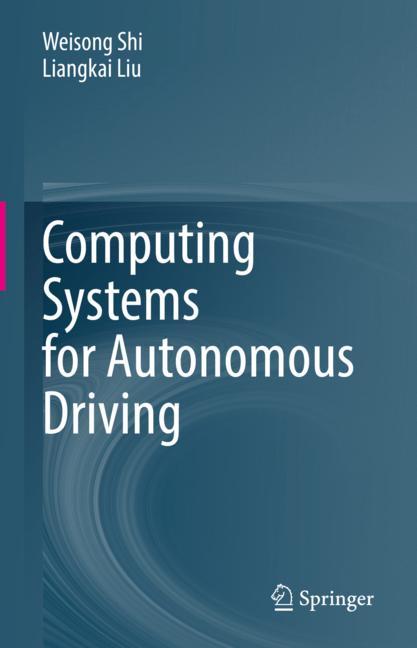
This book on computing systems for autonomous driving takes a comprehensive look at the state-of-the-art computing technologies, including computing frameworks, algorithm deployment optimizations, systems runtime optimizations, dataset and benchmarking, simulators, hardware platforms, and smart infrastructures. The objectives of level 4 and level 5 autonomous driving require colossal improvement in the computing for this cyber-physical system. Beginning with a definition of computing systems for autonomous driving, this book introduces promising research topics and serves as a useful starting point for those interested in starting in the field. In addition to the current landscape, the authors examine the remaining open challenges to achieve L4/L5 autonomous driving. Computing Systems for Autonomous Driving provides a good introduction for researchers and prospective practitioners in the field. The book can also serve as a useful reference for university courses on autonomous vehicle technologies.This book on computing systems for autonomous driving takes a comprehensive look at the state-of-the-art computing technologies, including computing frameworks, algorithm deployment optimizations, systems runtime optimizations, dataset and benchmarking, simulators, hardware platforms, and smart infrastructures. The objectives of level 4 and level 5 autonomous driving require colossal improvement in the computing for this cyber-physical system. Beginning with a definition of computing systems for autonomous driving, this book introduces promising research topics and serves as a useful starting point for those interested in starting in the field. In addition to the current landscape, the authors examine the remaining open challenges to achieve L4/L5 autonomous driving. Computing Systems for Autonomous Driving provides a good introduction for researchers and prospective practitioners in the field. The book can also serve as a useful reference for university courses on autonomous vehicle technologies.
Similar products
 50 Years of Philosophy and Medicine
from $107.30
50 Years of Philosophy and Medicine
from $107.30
 Understanding Cybersecurity Law and Digital Privacy
from $122.63
Understanding Cybersecurity Law and Digital Privacy
from $122.63
 Decisions in International Trade and Logistics
from $122.63
Decisions in International Trade and Logistics
from $122.63
 Advances in Economic Measurement
from $122.63
Advances in Economic Measurement
from $122.63
 Nanomaterials
from $137.96
Nanomaterials
from $137.96
 Sustainable Scaffolds-based Strategies in Tissue Engineering and Regenerative Medicine
from $162.87
Sustainable Scaffolds-based Strategies in Tissue Engineering and Regenerative Medicine
from $162.87
 Narratives in Educational Research
from $162.87
Narratives in Educational Research
from $162.87
 Environmental Biology of the Young Chinese Sturgeon
from $210.78
Environmental Biology of the Young Chinese Sturgeon
from $210.78