
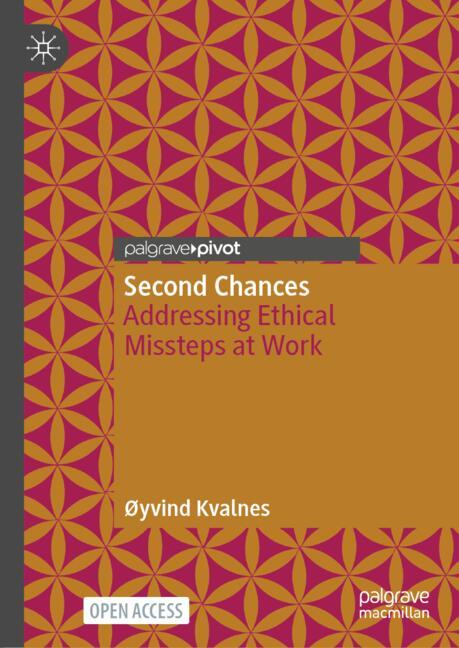
Second Chances
☆☆☆☆☆
(0 reviews)
Lowest price (incl. delivery)
4 308,00 JPY
Typical price387,67 PLN
Lowest (90 days)31,19 PLN
Offers3
Last updated1 неделю назад
Price history (90 days)
Full history
2026-08-08
2026-08-14
| Обновлено | Цена |
|---|---|
| 2026-08-08 | 31,19 |
| 2026-08-14 | 31,19 |
| Продавец | Product price | Delivery | Всего | Наличие | Updated | |
|---|---|---|---|---|---|---|
| SP SpringerNatureLink Shop INT | 4 289,00 JPY | 19,00 JPY | 4 308,00 JPY | Доступно | 19 часов назад | View offer |
| SP Springer Nature Author | 4 289,00 JPY | 15,00 JPY | 4 304,00 JPY | Доступно | 1 неделю назад | View offer |
| SP SpringerNatureLink Shop INT | 35,39 EUR | free | 35,39 EUR | Доступно | 1 день назад | View offer |
Цены и наличие могут меняться. Последнее обновление: 08.08.2026 23:06.
EAN
9783032258892
Springer Nature
0,0
☆☆☆☆☆
0 reviews
5★
0%
4★
0%
3★
0%
2★
0%
1★
0%
Product reviews
No reviews yet — be the first!
This Open Access book introduces the Second Chances Framework, a practice-informed tool designed to evaluate whether individuals who have committed ethical wrongdoing in organizational settings should be granted another opportunity. Drawing from twelve years of Executive MBA classroom discussions, the framework is built on real-world cases shared by experienced professionals across diverse sectors. It identifies five key factors—precedent, reparation, trust, transparency, and fairness—that guide structured reflection and ethical judgment. The chapters delve into critical questions such as: How should organizations weigh the seriousness of the original wrongdoing? Can trust be rebuilt, and what role does transparency play in ethical decision-making? Through detailed case studies and expert analysis, the book explores the tensions and interplay between these factors, offering a flexible yet robust approach to navigating complex ethical dilemmas. The framework is not a prescriptive formula but a tool for informed judgment, making it an essential read for those involved in organizational ethics. Aimed at scholars, practitioners, and students of organizational ethics, this book provides a structured, practical guide for navigating second chance decisions. It answers the call to embed ethics more deeply in organizational practice, ensuring decisions are grounded in ethical integrity and transparency.
Similar products
 50 Years of Philosophy and Medicine
from $107.30
50 Years of Philosophy and Medicine
from $107.30
 Understanding Cybersecurity Law and Digital Privacy
from $122.63
Understanding Cybersecurity Law and Digital Privacy
from $122.63
 Decisions in International Trade and Logistics
from $122.63
Decisions in International Trade and Logistics
from $122.63
 Advances in Economic Measurement
from $122.63
Advances in Economic Measurement
from $122.63
 Nanomaterials
from $137.96
Nanomaterials
from $137.96
 Sustainable Scaffolds-based Strategies in Tissue Engineering and Regenerative Medicine
from $162.87
Sustainable Scaffolds-based Strategies in Tissue Engineering and Regenerative Medicine
from $162.87
 Narratives in Educational Research
from $162.87
Narratives in Educational Research
from $162.87
 Environmental Biology of the Young Chinese Sturgeon
from $210.78
Environmental Biology of the Young Chinese Sturgeon
from $210.78