
Proteases: Structure and Function
☆☆☆☆☆
(0 reviews)

Lowest price (incl. delivery)
179,49 EUR
Typical price5 879,60 PLN
Lowest (90 days)160,49 PLN
Offers2
Last updated2 дня назад
| Продавец | Product price | Delivery | Всего | Наличие | Updated | |
|---|---|---|---|---|---|---|
| SP Springer Nature Author | 160,49 EUR | 19,00 EUR | 179,49 EUR | Доступно | 2 дня назад | View offer |
| SP Springer Nature Author | 28 599,00 JPY | 15,00 JPY | 28 614,00 JPY | Доступно | 2 дня назад | View offer |
Цены и наличие могут меняться. Последнее обновление: 08.08.2026 23:36.
0,0
☆☆☆☆☆
0 reviews
5★
0%
4★
0%
3★
0%
2★
0%
1★
0%
Product reviews
No reviews yet — be the first!
Proteolysis is an irreversible posttranslational modification affecting each and every protein from its biosynthesis to its degradation. Limited proteolysis regulates targeting and activity throughout the lifetime of proteins. Balancing proteolysis is therefore crucial for physiological homeostasis. Control mechanisms include proteolytic maturation of zymogens resulting in active proteases and the shut down of proteolysis by counteracting endogenous protease inhibitors. Beyond the protein level, proteolytic enzymes are involved in key decisions during development that determine life and death – from single cells to adult individuals. In particular, we are becoming aware of the subtle role that proteases play in signaling events within proteolysis networks, in which the enzymes act synergistically and form alliances in a web-like fashion. Proteases come in different flavors. At least five families of mechanistically distinct enzymes and even more inhibitor families are known to date, many family members are still to be studied in detail. We have learned a lot about the diversity of the about 600 proteases in the human genome and begin to understand their physiological roles in the degradome. However, there are still many open questions regarding their actions in pathophysiology. It is in this area where the development of small molecule inhibitors as therapeutic agents is extremely promising. Approaching proteolysis as the most important, irreversible post-translational protein modification essentially requires an integrated effort of complementary research disciplines. In fact, proteolytic enzymes seem as diverse as the scientists working with these intriguing proteins. This book reflects the efforts of many in this exciting field of research where team and network formations are essential to move ahead.
Similar products
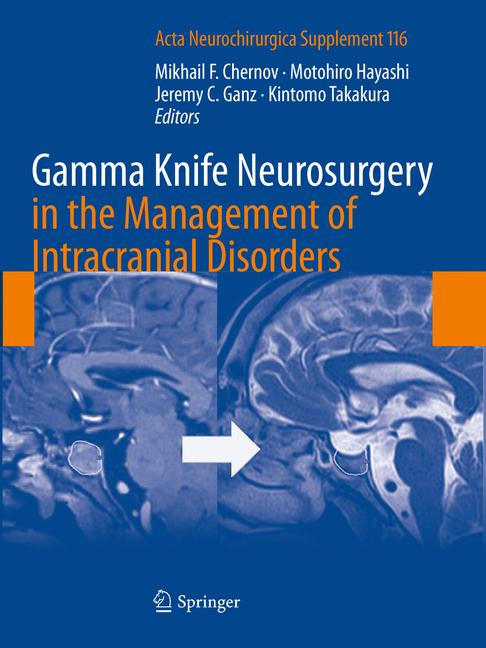 Gamma Knife Neurosurgery in the Management of Intracranial Disorders
from $210.78
Gamma Knife Neurosurgery in the Management of Intracranial Disorders
from $210.78
 SDGs in Construction Economics and Organization
from $210.78
SDGs in Construction Economics and Organization
from $210.78
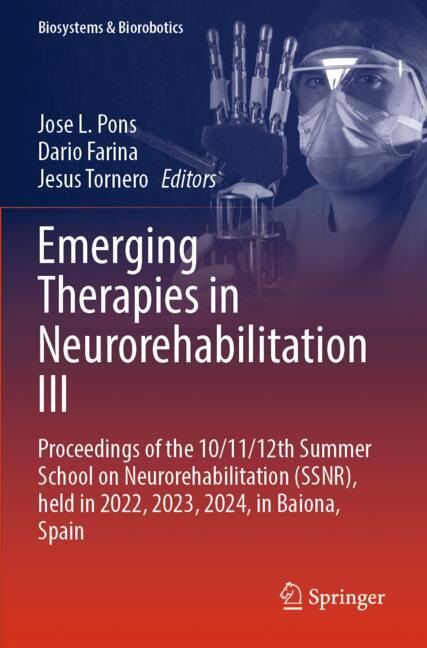 Emerging Therapies in Neurorehabilitation III
from $210.78
Emerging Therapies in Neurorehabilitation III
from $210.78
 Ground Improvement Techniques
from $220.36
Ground Improvement Techniques
from $220.36
 Anomaly Detection in Video Surveillance
from $220.36
Anomaly Detection in Video Surveillance
from $220.36
 Mechanism and Machine Science
from $287.42
Mechanism and Machine Science
from $287.42
 Protein-Protein Interactions as New Drug Targets
from $287.42
Protein-Protein Interactions as New Drug Targets
from $287.42
 Proceedings of the 7th International Conference of Transportation Research Group of India (CTRG 2023
from $287.42
Proceedings of the 7th International Conference of Transportation Research Group of India (CTRG 2023
from $287.42