
Fish Processing Technology
☆☆☆☆☆
(0 reviews)
Lowest price (incl. delivery)
234,33 EUR
Typical price279,99 PLN
Lowest (90 days)279,99 PLN
Offers4
Last updated1 săptămână în urmă
| Vânzător | Product price | Delivery | Total | Disponibilitate | Updated | |
|---|---|---|---|---|---|---|
| SpringerNatureLink Shop INT | Product price 234,33 EUR | Delivery free | Total 234,33 EUR | Disponibilitate Disponibil | Updated 1 săptămână în urmă | View offer |
| SpringerNatureLink Shop INT | Product price 234,33 EUR | Delivery 25,00 EUR | Total 259,33 EUR | Disponibilitate Disponibil | Updated 1 săptămână în urmă | View offer |
| SpringerNatureLink Shop INT | Product price 279,99 USD | Delivery 29,00 USD | Total 308,99 USD | Disponibilitate Disponibil | Updated 1 săptămână în urmă | View offer |
| SpringerNatureLink Shop INT | Product price 279,99 USD | Delivery 15,00 USD | Total 294,99 USD | Disponibilitate Disponibil | Updated 1 săptămână în urmă | View offer |
Prețurile și disponibilitatea se pot modifica. Ultima actualizare: 15.08.2026 07:27.
0,0
☆☆☆☆☆
0 reviews
5★
0%
4★
0%
3★
0%
2★
0%
1★
0%
Product reviews
No reviews yet — be the first!
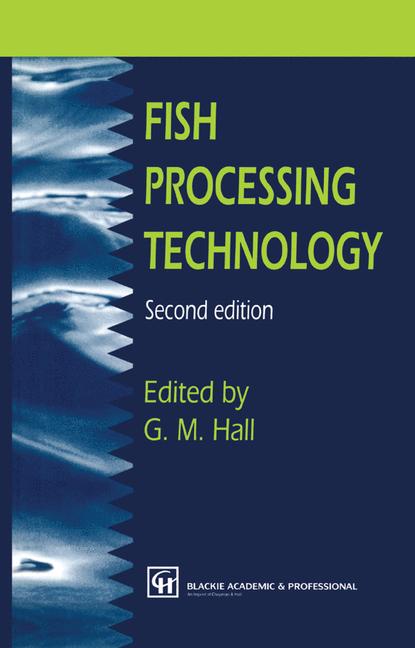
As with the first edition this book includes chapters on established fish processes and new processes and allied issues. The first five chapters cover fish biochemistry affecting processing, curing, surimi and fish mince, chilling and freezing and canning. These established processes can still show innovations and improved theory although their mature status precludes major leaps in knowledge and technology. The four chapters concerned with new areas relevant to fish processing are directed at the increasing globalisation of the fish processing industry and the demands, from legislation and the consumer, for better quality, safer products. One chapter reviews the methods available to identify fish species in raw and processed products. The increased demand for fish products and the reduced catch of commercially-important species has lead to adulteration or substitu tion of these species with cheaper species. The ability to detect these practices has been based on some elegant analytical techniques in electrophoresis.
Similar products
 50 Years of Philosophy and Medicine
from $107.30
50 Years of Philosophy and Medicine
from $107.30
 Understanding Cybersecurity Law and Digital Privacy
from $122.63
Understanding Cybersecurity Law and Digital Privacy
from $122.63
 Decisions in International Trade and Logistics
from $122.63
Decisions in International Trade and Logistics
from $122.63
 Advances in Economic Measurement
from $122.63
Advances in Economic Measurement
from $122.63
 Nanomaterials
from $137.96
Nanomaterials
from $137.96
 Sustainable Scaffolds-based Strategies in Tissue Engineering and Regenerative Medicine
from $162.87
Sustainable Scaffolds-based Strategies in Tissue Engineering and Regenerative Medicine
from $162.87
 Narratives in Educational Research
from $162.87
Narratives in Educational Research
from $162.87
 Environmental Biology of the Young Chinese Sturgeon
from $210.78
Environmental Biology of the Young Chinese Sturgeon
from $210.78