
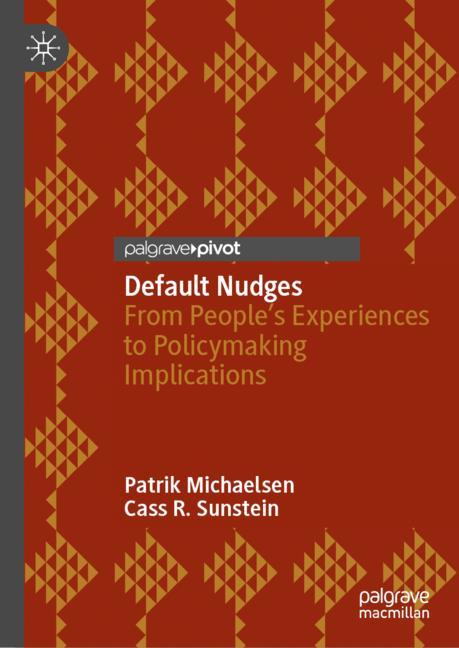
Default Nudges
☆☆☆☆☆
(0 reviews)
Lowest price (incl. delivery)
42,79 USD
Typical price524,46 PLN
Lowest (90 days)35,99 PLN
Offers7
Last updated1 săptămână în urmă
Price history (90 days)
Full history
2026-08-08
2026-08-15
| Actualizat la | Preț |
|---|---|
| 2026-08-08 | 39,99 |
| 2026-08-14 | 35,99 |
| 2026-08-15 | 51,99 |
| Vânzător | Product price | Delivery | Total | Disponibilitate | Updated | |
|---|---|---|---|---|---|---|
| SP SpringerNatureLink Shop INT | 42,79 USD | free | 42,79 USD | Disponibil | 5 zile în urmă | View offer |
| SP SpringerNatureLink Shop INT | 7 149,00 JPY | free | 7 149,00 JPY | Disponibil | 4 zile în urmă | View offer |
| SP Springer Nature Author | 7 149,00 JPY | 29,00 JPY | 7 178,00 JPY | Disponibil | 1 săptămână în urmă | View offer |
| SP SpringerNatureLink Shop INT | 49,99 USD | 25,00 USD | 74,99 USD | Disponibil | 5 zile în urmă | View offer |
| SP SpringerNatureLink Shop INT | 54,99 USD | 25,00 USD | 79,99 USD | Disponibil | 4 zile în urmă | View offer |
| SP SpringerNatureLink Shop INT | 54,99 USD | free | 54,99 USD | Disponibil | 4 zile în urmă | View offer |
| SP SpringerNatureLink Shop INT | 59,00 EUR | 19,00 EUR | 78,00 EUR | Disponibil | 4 zile în urmă | View offer |
Prețurile și disponibilitatea se pot modifica. Ultima actualizare: 08.08.2026 23:08.
0,0
☆☆☆☆☆
0 reviews
5★
0%
4★
0%
3★
0%
2★
0%
1★
0%
Product reviews
No reviews yet — be the first!
All over the world, private and public institutions have been attracted to “nudges,” understood as interventions that preserve freedom of choice, but that steer people in particular directions. The most effective nudges are often “defaults,” which establish what happens if people do nothing. For example, automatic enrollment in savings plans is a default nudge, as is automatic enrollment in green energy. Default rules are in widespread use, but we have very little information about how people experience them, whether they see themselves as manipulated by them, and whether they approve of them in practice. In this book, Patrik Michaelsen and Cass R. Sunstein offer a wealth of new evidence about people’s experiences and perceptions with respect to default rules. They argue that this evidence can help us to answer important questions about the effectiveness and ethics of nudging. The evidence offers a generally positive picture of how default nudges are perceived and experienced. The central conclusion is simple: empirical findings strongly support the conclusion that, taken as such, default nudges are both ethical and effective. These findings, and the accompanying discussion, have significant implications for policymakers in many nations, and also for the private sector.
Similar products
 50 Years of Philosophy and Medicine
from $107.30
50 Years of Philosophy and Medicine
from $107.30
 Understanding Cybersecurity Law and Digital Privacy
from $122.63
Understanding Cybersecurity Law and Digital Privacy
from $122.63
 Decisions in International Trade and Logistics
from $122.63
Decisions in International Trade and Logistics
from $122.63
 Advances in Economic Measurement
from $122.63
Advances in Economic Measurement
from $122.63
 Nanomaterials
from $137.96
Nanomaterials
from $137.96
 Sustainable Scaffolds-based Strategies in Tissue Engineering and Regenerative Medicine
from $162.87
Sustainable Scaffolds-based Strategies in Tissue Engineering and Regenerative Medicine
from $162.87
 Narratives in Educational Research
from $162.87
Narratives in Educational Research
from $162.87
 Environmental Biology of the Young Chinese Sturgeon
from $210.78
Environmental Biology of the Young Chinese Sturgeon
from $210.78