
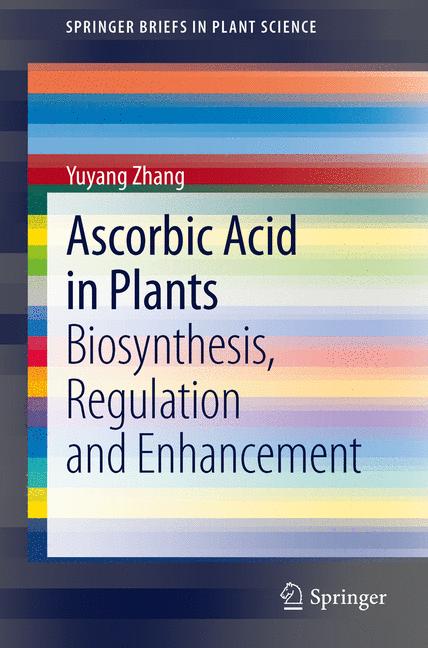
Ascorbic Acid in Plants
☆☆☆☆☆
(0 reviews)
Lowest price (incl. delivery)
7 149,00 JPY
Typical price492,28 PLN
Lowest (90 days)35,99 PLN
Offers6
Last updated1 săptămână în urmă
Price history (90 days)
Full history
2026-08-08
2026-08-15
| Actualizat la | Preț |
|---|---|
| 2026-08-08 | 39,99 |
| 2026-08-14 | 35,99 |
| 2026-08-15 | 51,99 |
| Vânzător | Product price | Delivery | Total | Disponibilitate | Updated | |
|---|---|---|---|---|---|---|
| SP SpringerNatureLink Shop INT | 7 149,00 JPY | free | 7 149,00 JPY | Disponibil | 5 zile în urmă | View offer |
| SP Springer Nature Author | 7 149,00 JPY | 19,00 JPY | 7 168,00 JPY | Disponibil | 1 săptămână în urmă | View offer |
| SP SpringerNatureLink Shop INT | 49,99 USD | 19,00 USD | 68,99 USD | Disponibil | 5 zile în urmă | View offer |
| SP SpringerNatureLink Shop INT | 54,99 USD | 29,00 USD | 83,99 USD | Disponibil | 5 zile în urmă | View offer |
| SP SpringerNatureLink Shop INT | 54,99 USD | free | 54,99 USD | Disponibil | 5 zile în urmă | View offer |
| SP SpringerNatureLink Shop INT | 59,00 EUR | free | 59,00 EUR | Disponibil | 5 zile în urmă | View offer |
Prețurile și disponibilitatea se pot modifica. Ultima actualizare: 08.08.2026 23:08.
0,0
☆☆☆☆☆
0 reviews
5★
0%
4★
0%
3★
0%
2★
0%
1★
0%
Product reviews
No reviews yet — be the first!
Ascorbate acid (AsA) is an important antioxidant in plants, playing important roles in various physiological processes. Humans have lost the ability to synthesize AsA because of the lack of L-gulono-1,4-lactone oxidoreductase, and thus have to absorb ascorbate from diet including fresh fruits and vegetables, as they are the major sources of ascorbate. Several pathways for AsA biosynthesis and metabolism have been identified in plants since 1998. More attention has been paid to improving ascorbate content in plants especially in fruits and vegetables. Significant progresses have been made on key enzymes and genes involved in the AsA biosynthesis and metabolism. Recently, more interests have arised in the regulation of AsA biosynthesis, as it is constantly regulated by the plant development and the environmental factors, e.g. light. Ascorbic acid is also frequently reported to affect plant growth and development e.g. flowering time and fruit ripening. The scope of the book is to cover the biological role, biosynthesis and metabolism, regulation, and metabolic modification of ascorbate in plants.
Similar products
 50 Years of Philosophy and Medicine
from $107.30
50 Years of Philosophy and Medicine
from $107.30
 Understanding Cybersecurity Law and Digital Privacy
from $122.63
Understanding Cybersecurity Law and Digital Privacy
from $122.63
 Decisions in International Trade and Logistics
from $122.63
Decisions in International Trade and Logistics
from $122.63
 Advances in Economic Measurement
from $122.63
Advances in Economic Measurement
from $122.63
 Nanomaterials
from $137.96
Nanomaterials
from $137.96
 Sustainable Scaffolds-based Strategies in Tissue Engineering and Regenerative Medicine
from $162.87
Sustainable Scaffolds-based Strategies in Tissue Engineering and Regenerative Medicine
from $162.87
 Narratives in Educational Research
from $162.87
Narratives in Educational Research
from $162.87
 Environmental Biology of the Young Chinese Sturgeon
from $210.78
Environmental Biology of the Young Chinese Sturgeon
from $210.78