
Animation and Memory
☆☆☆☆☆
(0 reviews)
Lowest price (incl. delivery)
12 598,00 JPY
Typical price1 346,45 PLN
Lowest (90 days)79,50 PLN
Offers2
Last updated1 săptămână în urmă
Price history (90 days)
Full history
2026-08-08
2026-08-15
| Actualizat la | Preț |
|---|---|
| 2026-08-08 | 79,50 |
| 2026-08-15 | 104,00 |
| Vânzător | Product price | Delivery | Total | Disponibilitate | Updated | |
|---|---|---|---|---|---|---|
| SP Springer Nature Author | 12 583,00 JPY | 15,00 JPY | 12 598,00 JPY | Disponibil | 1 săptămână în urmă | View offer |
| SP SpringerNatureLink Shop INT | 104,00 EUR | free | 104,00 EUR | Disponibil | 1 săptămână în urmă | View offer |
Prețurile și disponibilitatea se pot modifica. Ultima actualizare: 08.08.2026 23:22.
EAN
9783030348885
Springer Nature
0,0
☆☆☆☆☆
0 reviews
5★
0%
4★
0%
3★
0%
2★
0%
1★
0%
Product reviews
No reviews yet — be the first!
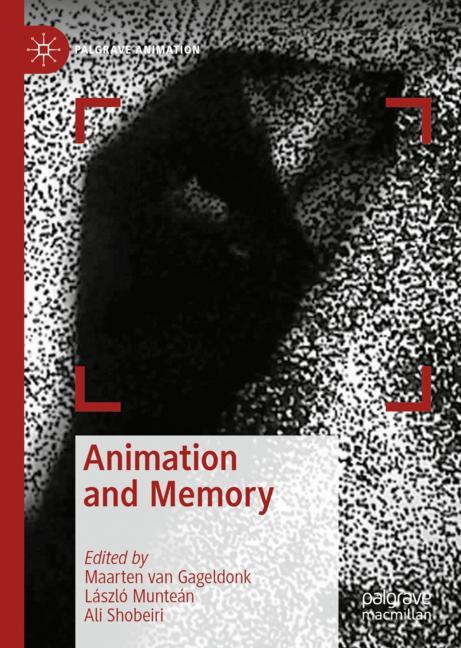
This book examines the role of memory in animation, as well as the ways in which the medium of animation can function as a technology of remembering and forgetting. By doing so, it establishes a platform for the cross-fertilization between the burgeoning fields of animation studies and memory studies. By analyzing a wide range of different animation types, from stop motion to computer animation, and from cell animated cartoons to painted animation, this book explores the ways in which animation can function as a representational medium. The five parts of the book discuss the interrelation of animation and memory through the lens of materiality, corporeality, animation techniques, the city, and animated documentaries. These discussions raise a number of questions: how do animation films bring forth personal and collective pasts? What is the role of found footage, objects, and sound in the material and affective dimensions of animation? How does animation serve political ends? The essays in this volume offer answers to these questions through a wide variety of case studies and contexts. The book will appeal to both a broad academic and a more general readership with an interest in animation studies, memory studies, cultural studies, comparative visual arts, and media studies. Chapter “Introduction” is available open access under a Creative Commons Attribution 4.0 International License via link.springer.com.
Similar products
 50 Years of Philosophy and Medicine
from $107.30
50 Years of Philosophy and Medicine
from $107.30
 Understanding Cybersecurity Law and Digital Privacy
from $122.63
Understanding Cybersecurity Law and Digital Privacy
from $122.63
 Decisions in International Trade and Logistics
from $122.63
Decisions in International Trade and Logistics
from $122.63
 Advances in Economic Measurement
from $122.63
Advances in Economic Measurement
from $122.63
 Nanomaterials
from $137.96
Nanomaterials
from $137.96
 Sustainable Scaffolds-based Strategies in Tissue Engineering and Regenerative Medicine
from $162.87
Sustainable Scaffolds-based Strategies in Tissue Engineering and Regenerative Medicine
from $162.87
 Narratives in Educational Research
from $162.87
Narratives in Educational Research
from $162.87
 Environmental Biology of the Young Chinese Sturgeon
from $210.78
Environmental Biology of the Young Chinese Sturgeon
from $210.78