
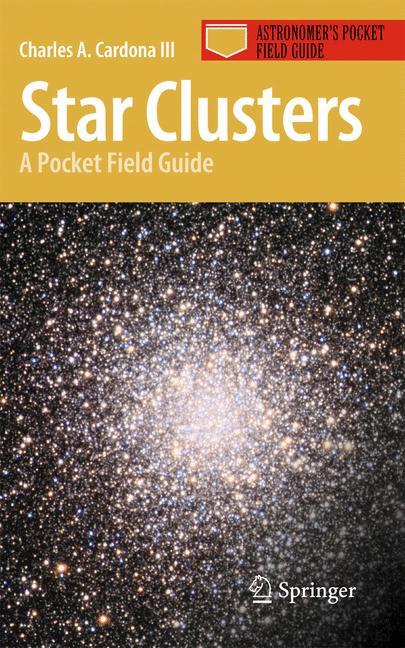
Star Clusters
☆☆☆☆☆
(0 opinii)
Najniższa cena (z dostawą)
5 019,00 JPY
Typowa cena241,80 PLN
Najniższa (90 dni)7,50 PLN
Liczba ofert3
Ostatnia aktualizacja2 tygodnie temu
Historia ceny (90 dni)
Pełna historia
2026-08-07
2026-08-14
| Zaktualizowano | Cena |
|---|---|
| 2026-08-07 | 7,50 |
| 2026-08-08 | 36,39 |
| 2026-08-14 | 36,39 |
| Sprzedawca | Cena produktu | Dostawa | Razem | Dostępność | Aktualizacja | |
|---|---|---|---|---|---|---|
| SP Springer Nature Author | 5 004,00 JPY | 15,00 JPY | 5 019,00 JPY | Dostępny | 1 tydzień temu | Zobacz ofertę |
| SP SpringerNatureLink Shop INT | 41,50 EUR | 25,00 EUR | 66,50 EUR | Dostępny | 1 tydzień temu | Zobacz ofertę |
| VI VitalSource | 256,16 ZAR | 0 zł | 256,16 ZAR | Dostępny | 2 tygodnie temu | Zobacz ofertę |
Ceny i dostępność mogą ulec zmianie. Ostatnia aktualizacja: 08.08.2026 05:40.
EAN
9781441970398
Springer Nature
0,0
☆☆☆☆☆
0 opinii
5★
0%
4★
0%
3★
0%
2★
0%
1★
0%
Opinie o produkcie
Brak opinii — bądź pierwszy!
I have spent many wonderful nights observing at a variety of places around the world, but many of my fondest memories come from those made at the Custer Observatory in Southold on Long Island, where I grew up. I was only perhaps a dozen years old when I started out, and now more than three decades later I have logged millions of miles on the various telescopes there. Some of the best memories are of observing and discussing astronomical topics with the many really terrific people who make up Custer. It truly holds a special place in my heart. Star clusters were always among my favorite objects to observe and discuss there. This book is the result of the exposure to these objects, many of which I observed for the first time at Custer. The Custer Institute Observatory was founded in the 1920s by local resident Charles W. Elmer of Perkin-Elmer Corp. fame. The original crew met at his house in Cedar Beach a few miles down the road from the institute. In the 1930s the group built an observatory complete with Mr. Elmer’s donated 5” Alvan Clark refractor. Later the observatory expanded to include a 6” Clark refractor and other even larger instruments.
Podobne produkty
 50 Years of Philosophy and Medicine
od $107.30
50 Years of Philosophy and Medicine
od $107.30
 Understanding Cybersecurity Law and Digital Privacy
od $122.63
Understanding Cybersecurity Law and Digital Privacy
od $122.63
 Decisions in International Trade and Logistics
od $122.63
Decisions in International Trade and Logistics
od $122.63
 Advances in Economic Measurement
od $122.63
Advances in Economic Measurement
od $122.63
 Nanomaterials
od $137.96
Nanomaterials
od $137.96
 Sustainable Scaffolds-based Strategies in Tissue Engineering and Regenerative Medicine
od $162.87
Sustainable Scaffolds-based Strategies in Tissue Engineering and Regenerative Medicine
od $162.87
 Narratives in Educational Research
od $162.87
Narratives in Educational Research
od $162.87
 Environmental Biology of the Young Chinese Sturgeon
od $210.78
Environmental Biology of the Young Chinese Sturgeon
od $210.78