
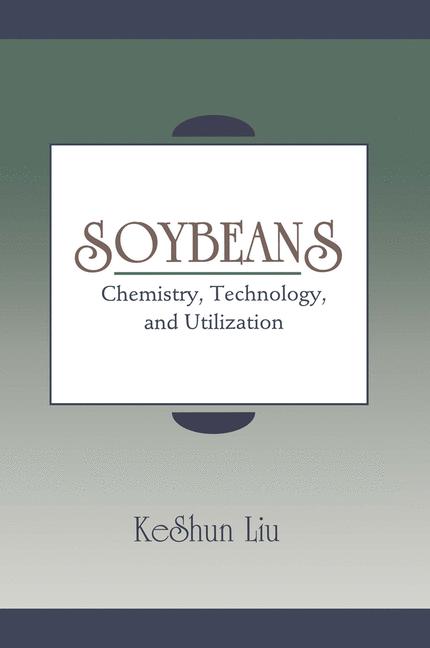
Soybeans
☆☆☆☆☆
(0 opinii)
Najniższa cena (z dostawą)
7 164,00 JPY
Typowa cena416,51 PLN
Najniższa (90 dni)44,99 PLN
Liczba ofert6
Ostatnia aktualizacja1 tydzień temu
Historia ceny (90 dni)
Pełna historia
2026-08-08
2026-08-15
| Zaktualizowano | Cena |
|---|---|
| 2026-08-08 | 49,99 |
| 2026-08-14 | 44,99 |
| 2026-08-15 | 51,99 |
| Sprzedawca | Cena produktu | Dostawa | Razem | Dostępność | Aktualizacja | |
|---|---|---|---|---|---|---|
| SP SpringerNatureLink Shop INT | 7 149,00 JPY | 15,00 JPY | 7 164,00 JPY | Dostępny | 3 dni temu | Zobacz ofertę |
| SP Springer Nature Author | 7 149,00 JPY | 15,00 JPY | 7 164,00 JPY | Dostępny | 1 tydzień temu | Zobacz ofertę |
| SP SpringerNatureLink Shop INT | 49,99 USD | 0 zł | 49,99 USD | Dostępny | 3 dni temu | Zobacz ofertę |
| SP SpringerNatureLink Shop INT | 54,99 USD | 25,00 USD | 79,99 USD | Dostępny | 3 dni temu | Zobacz ofertę |
| SP SpringerNatureLink Shop INT | 54,99 USD | 15,00 USD | 69,99 USD | Dostępny | 3 dni temu | Zobacz ofertę |
| SP SpringerNatureLink Shop INT | 59,00 EUR | 0 zł | 59,00 EUR | Dostępny | 3 dni temu | Zobacz ofertę |
Ceny i dostępność mogą ulec zmianie. Ostatnia aktualizacja: 08.08.2026 23:12.
0,0
☆☆☆☆☆
0 opinii
5★
0%
4★
0%
3★
0%
2★
0%
1★
0%
Opinie o produkcie
Brak opinii — bądź pierwszy!
The soybean [Glycine max (L. ) Merrill], a native of China, is one of the oldest crops of the Far East. For centuries, the Chinese and other Oriental people, including Japanese, Korean, and Southeast Asians, have used the bean in various forms as one of the most important sources of dietary protein and oil. For this reason and because the amount of protein produced by soybeans per unit area of land is higher than that of any other crop, this little old bean has been called "yellow jewel," "great treasure," "nature's miracle protein," and "meat of the field. " Now this bean is seen by some as a weapon against world hunger and a protein of the future. Most recently, the soybean has been touted as a possible weapon against chronic diseases. Since large-scale introduction to the Western world at the beginning of the twentieth century, the cultivation and use of soybeans have undergone a dramatic revolution: from traditional soyfoods in the Orient to a new generation of soyfoods in the West, from animal feed to value-added food protein ingredients, from industrial paints to affordable table oils and spreads, from an old field crop to a new crop with wide regions of adoptability, herbicide tolerance, pest resistance, and/or altered chemical composition, and from limited regional cultivation to expanded worldwide production.
Podobne produkty
 50 Years of Philosophy and Medicine
od $107.30
50 Years of Philosophy and Medicine
od $107.30
 Understanding Cybersecurity Law and Digital Privacy
od $122.63
Understanding Cybersecurity Law and Digital Privacy
od $122.63
 Decisions in International Trade and Logistics
od $122.63
Decisions in International Trade and Logistics
od $122.63
 Advances in Economic Measurement
od $122.63
Advances in Economic Measurement
od $122.63
 Nanomaterials
od $137.96
Nanomaterials
od $137.96
 Sustainable Scaffolds-based Strategies in Tissue Engineering and Regenerative Medicine
od $162.87
Sustainable Scaffolds-based Strategies in Tissue Engineering and Regenerative Medicine
od $162.87
 Narratives in Educational Research
od $162.87
Narratives in Educational Research
od $162.87
 Environmental Biology of the Young Chinese Sturgeon
od $210.78
Environmental Biology of the Young Chinese Sturgeon
od $210.78