
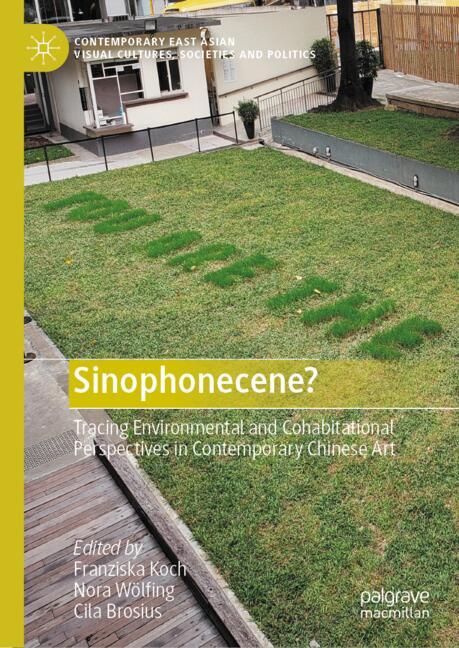
Sinophonecene?
☆☆☆☆☆
(0 opinii)
Najniższa cena (z dostawą)
117,69 EUR
Typowa cena2 098,03 PLN
Najniższa (90 dni)117,69 PLN
Liczba ofert7
Ostatnia aktualizacja3 dni temu
Historia ceny (90 dni)
Pełna historia
2026-08-08
2026-08-15
| Zaktualizowano | Cena |
|---|---|
| 2026-08-08 | 117,69 |
| 2026-08-15 | 119,99 |
| Sprzedawca | Cena produktu | Dostawa | Razem | Dostępność | Aktualizacja | |
|---|---|---|---|---|---|---|
| SP Springer Nature Author | 117,69 EUR | 0 zł | 117,69 EUR | Dostępny | 1 tydzień temu | Zobacz ofertę |
| SP SpringerNatureLink Shop INT | 20 019,00 JPY | 15,00 JPY | 20 034,00 JPY | Dostępny | 3 dni temu | Zobacz ofertę |
| SP Springer Nature Author | 20 019,00 JPY | 29,00 JPY | 20 048,00 JPY | Dostępny | 1 tydzień temu | Zobacz ofertę |
| SP SpringerNatureLink Shop INT | 139,99 USD | 19,00 USD | 158,99 USD | Dostępny | 3 dni temu | Zobacz ofertę |
| SP SpringerNatureLink Shop INT | 159,99 USD | 0 zł | 159,99 USD | Dostępny | 3 dni temu | Zobacz ofertę |
| SP SpringerNatureLink Shop INT | 159,99 USD | 19,00 USD | 178,99 USD | Dostępny | 3 dni temu | Zobacz ofertę |
| SP SpringerNatureLink Shop INT | 165,50 EUR | 15,00 EUR | 180,50 EUR | Dostępny | 3 dni temu | Zobacz ofertę |
Ceny i dostępność mogą ulec zmianie. Ostatnia aktualizacja: 15.08.2026 04:24.
0,0
☆☆☆☆☆
0 opinii
5★
0%
4★
0%
3★
0%
2★
0%
1★
0%
Opinie o produkcie
Brak opinii — bądź pierwszy!
This book traces the intersections between the growing controversies revolving around the Anthropocene on the one hand, and artistic and curatorial practices situated in the Sinophone world on the other. Exploring the relevance and multiple relations of both concepts as mediated in specific aesthetic, visual, and performative practices, and affiliated understandings of the planetary, seven academic case studies, supplemented by four conversations with emergent and senior curators, map the “Sinophonecene”. Accounting for the transcultural entanglements of different ontologies—humans, plants, animals, as well as technoid beings—and being aware of Man’s epistemological conditions and limits, the recent concept helps to think through global issues of habitability and interspecies relationships with regard to the particular world of Chinese contemporary art. Eschewing essentialist, nationalist, civilizational, and human-centric notions of “Chineseness” in favor of more “worlded” approaches, the multi-vocal chapters also contribute to bridging existent divides between area specialists, art historians, artists, curators and educators, who are engaged in the field.
Podobne produkty
 Gamma Knife Neurosurgery in the Management of Intracranial Disorders
od $210.78
Gamma Knife Neurosurgery in the Management of Intracranial Disorders
od $210.78
 SDGs in Construction Economics and Organization
od $210.78
SDGs in Construction Economics and Organization
od $210.78
 Emerging Therapies in Neurorehabilitation III
od $210.78
Emerging Therapies in Neurorehabilitation III
od $210.78
 Ground Improvement Techniques
od $220.36
Ground Improvement Techniques
od $220.36
 Anomaly Detection in Video Surveillance
od $220.36
Anomaly Detection in Video Surveillance
od $220.36
 Mechanism and Machine Science
od $287.42
Mechanism and Machine Science
od $287.42
 Protein-Protein Interactions as New Drug Targets
od $287.42
Protein-Protein Interactions as New Drug Targets
od $287.42
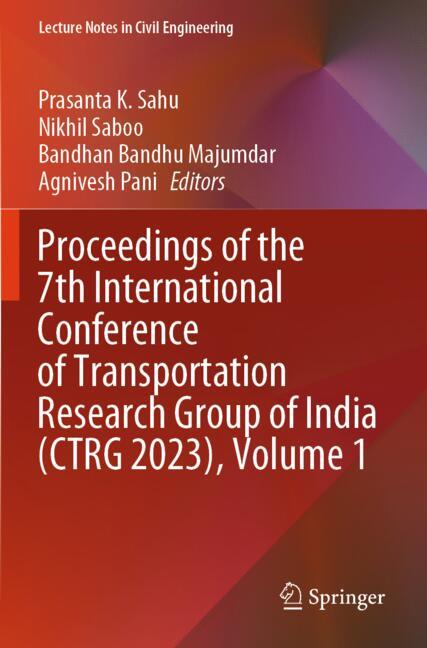 Proceedings of the 7th International Conference of Transportation Research Group of India (CTRG 2023
od $287.42
Proceedings of the 7th International Conference of Transportation Research Group of India (CTRG 2023
od $287.42