
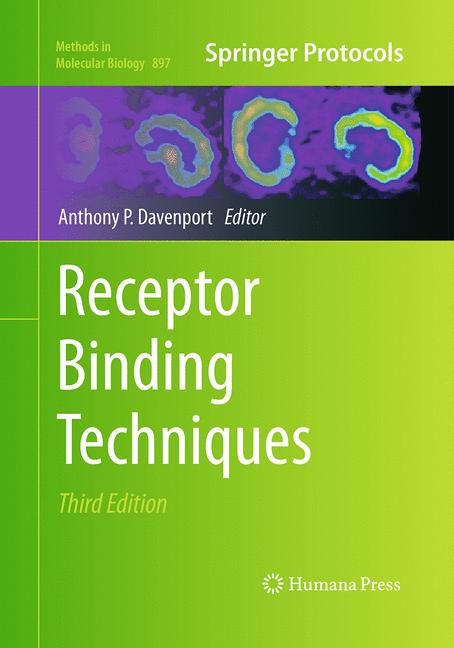
Receptor Binding Techniques
☆☆☆☆☆
(0 opinii)
Najniższa cena (z dostawą)
134,50 GBP
Typowa cena141,00 PLN
Najniższa (90 dni)132,76 PLN
Liczba ofert3
Ostatnia aktualizacja1 tydzień temu
Historia ceny (90 dni)
Pełna historia
2026-08-08
2026-08-09
| Zaktualizowano | Cena |
|---|---|
| 2026-08-08 | 139,00 |
| 2026-08-09 | 132,76 |
| Sprzedawca | Cena produktu | Dostawa | Razem | Dostępność | Aktualizacja | |
|---|---|---|---|---|---|---|
| SP SpringerNatureLink Shop INT | 105,50 GBP | 29,00 GBP | 134,50 GBP | Dostępny | 3 dni temu | Zobacz ofertę |
| SP Springer Nature Author | 139,00 USD | 15,00 USD | 154,00 USD | Dostępny | 1 tydzień temu | Zobacz ofertę |
| KN Knetbooks.com | 148,11 USD | 25,00 USD | 173,11 USD | Dostępny | 1 tydzień temu | Zobacz ofertę |
Ceny i dostępność mogą ulec zmianie. Ostatnia aktualizacja: 09.08.2026 07:23.
EAN
9781493959365
Springer Nature
0,0
☆☆☆☆☆
0 opinii
5★
0%
4★
0%
3★
0%
2★
0%
1★
0%
Opinie o produkcie
Brak opinii — bądź pierwszy!
A broad definition of a receptor is a specialized protein on or in a cell that recognizes and binds a specific ligand to undergo a conformational change, leading to a physiological response or change in cell function. A ligand can be an endogenous neurotransmitter, hormone, paracrine/autocrine factor, or a synthetic drug that may function as an agonist or antagonist. The third edition of Receptor Binding Techniques expands upon the methods and techniques used for studying receptors in silico, in vitro and in vivo. Comprehensive chapters describe how to use online resources for experimental research such as prediction of receptor-ligand interactions and mine the IUPHAR receptor database. Classical techniques of radioligand binding, quantitative autoradiography and their analyses are complemented by the use of immunocytochemistry for the cellular localization of receptor protein and hybridization to detect receptor mRNA. Protocols using fluorescent labeled ligands are described to visualise receptors in living cells, their interaction with beta-arrestin to measure ligand-induced internalisation and green fluorescent protein to study trafficking. Non-radioactive, chemiluminescent cAMP and arrestin assays facilitate the identification of novel ‘biased agonists’. Detailed methods are provided for in vivo imaging of receptors using positron emission tomography (PET). Written in the highly successful Methods in Molecular Biology™ series format, chapters include introductions to their respective topics, lists of the necessary materials and reagents, step-by-step, readily reproducible laboratory protocols, and key tips on troubleshooting and avoiding known pitfalls. Authoritative and practical, Receptor Binding Techniques, Third Edition, aids scientists in continuing to study receptor binding.
Podobne produkty
 50 Years of Philosophy and Medicine
od $107.30
50 Years of Philosophy and Medicine
od $107.30
 Understanding Cybersecurity Law and Digital Privacy
od $122.63
Understanding Cybersecurity Law and Digital Privacy
od $122.63
 Decisions in International Trade and Logistics
od $122.63
Decisions in International Trade and Logistics
od $122.63
 Advances in Economic Measurement
od $122.63
Advances in Economic Measurement
od $122.63
 Nanomaterials
od $137.96
Nanomaterials
od $137.96
 Sustainable Scaffolds-based Strategies in Tissue Engineering and Regenerative Medicine
od $162.87
Sustainable Scaffolds-based Strategies in Tissue Engineering and Regenerative Medicine
od $162.87
 Narratives in Educational Research
od $162.87
Narratives in Educational Research
od $162.87
 Environmental Biology of the Young Chinese Sturgeon
od $210.78
Environmental Biology of the Young Chinese Sturgeon
od $210.78