
Reading It Wrong – An Alternative History of Early Eighteenth–Century Literature - Abigail Williams
☆☆☆☆☆
(0 opinii)

Najniższa cena (z dostawą)
660,00 CZK
Typowa cena278,25 PLN
Najniższa (90 dni)41,73 PLN
Liczba ofert2
Ostatnia aktualizacja3 dni temu
| Sprzedawca | Cena produktu | Dostawa | Razem | Dostępność | Aktualizacja | |
|---|---|---|---|---|---|---|
| KN KnihyDobrovsky.cz | 660,00 CZK | 0 zł | 660,00 CZK | Dostępny | 3 dni temu | Zobacz ofertę |
| VI VitalSource | 740,01 ZAR | 29,00 ZAR | 769,01 ZAR | Dostępny | 1 tydzień temu | Zobacz ofertę |
Ceny i dostępność mogą ulec zmianie. Ostatnia aktualizacja: 16.08.2026 02:45.
EAN
9780691252513
Princeton University Press
0,0
☆☆☆☆☆
0 opinii
5★
0%
4★
0%
3★
0%
2★
0%
1★
0%
Opinie o produkcie
Brak opinii — bądź pierwszy!
How eighteenth-century literature depended on misinterpretation—and how this still shapes the way we readReading It Wrong is a new history of eighteenth-century English literature that explores what has been everywhere evident but rarely talked about: the misunderstanding, muddle and confusion of readers of the past when they first met the uniquely elusive writings of the period. Abigail Williams uses the marginal marks and jottings of these readers to show that flawed interpretation has its own history—and its own important role to play—in understanding how, why and what we read. Focussing on the first half of the eighteenth century, the golden age of satire, Reading It Wrong tells how a combination of changing readerships and fantastically tricky literature created the perfect grounds for puzzlement and partial comprehension. Through the lens of a history of imperfect reading, we see that many of the period’s major works—by writers including Daniel Defoe, Eliza Haywood, Mary Wortley Montagu, Alexander Pope and Jonathan Swift—both generated and depended upon widespread misreading. Being foxed by a satire, coded fiction or allegory was, like Wordle or the cryptic crossword, a form of entertainment, and perhaps a group sport. Rather than worrying that we don’t have all the answers, we should instead recognize the cultural importance of not knowing.
Podobne produkty
Zdjęcie produktu
Biofilms in Wastewater Treatment
od $210.54
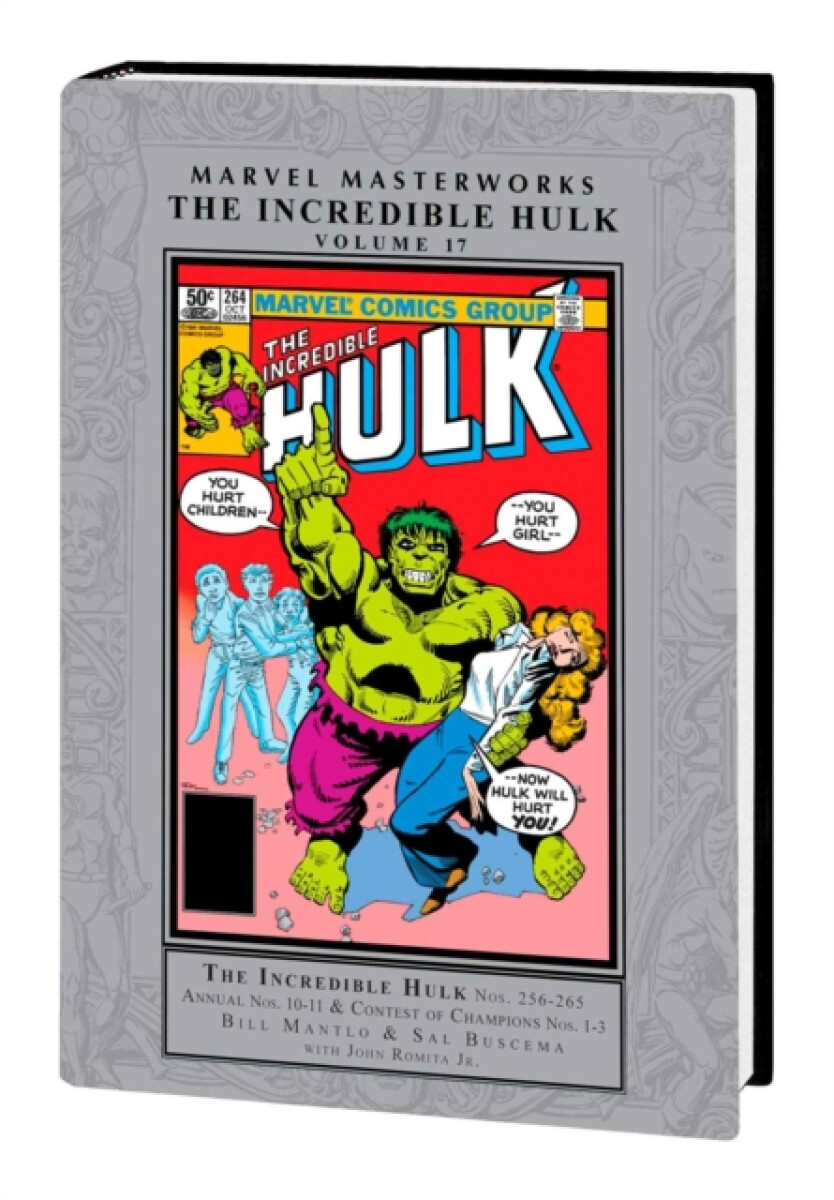 Marvel Masterworks: The Incredible Hulk Vol. 17 - Mantlo Bill
od $97.28
Marvel Masterworks: The Incredible Hulk Vol. 17 - Mantlo Bill
od $97.28
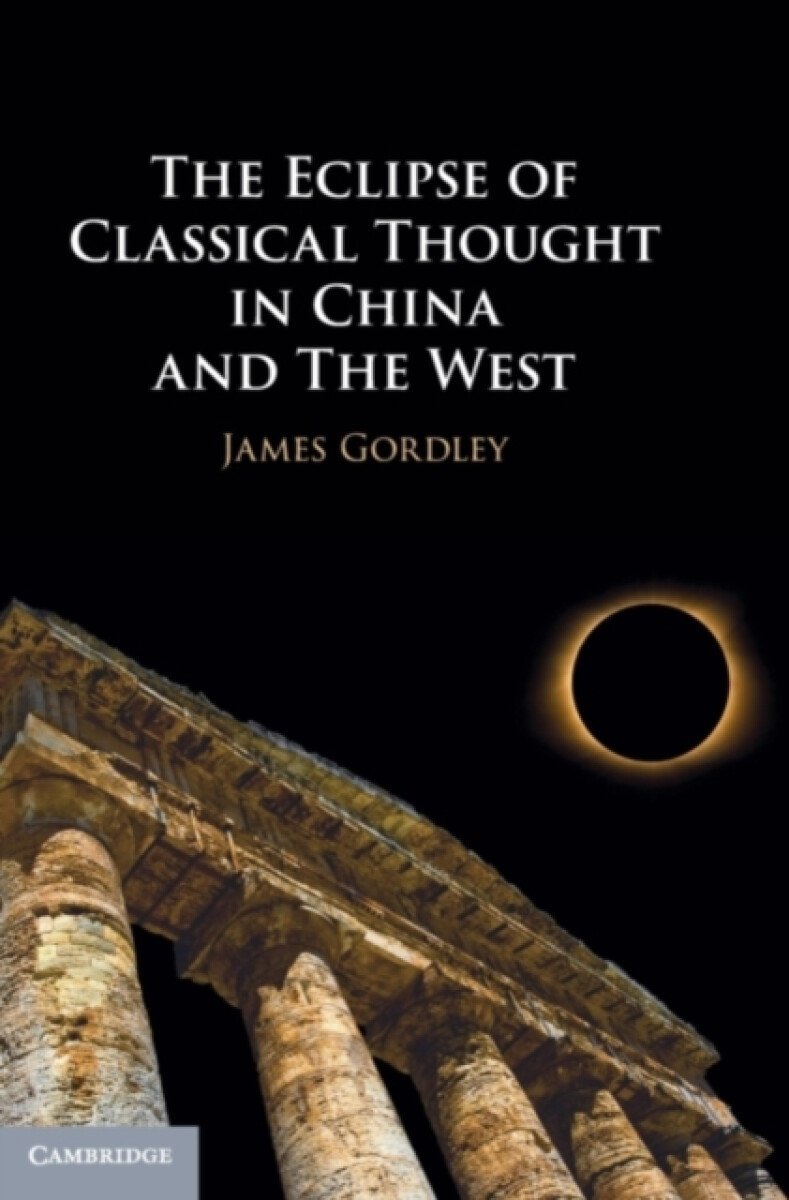 The Eclipse of Classical Thought in China and The West - James Gordley
od $151.01
The Eclipse of Classical Thought in China and The West - James Gordley
od $151.01
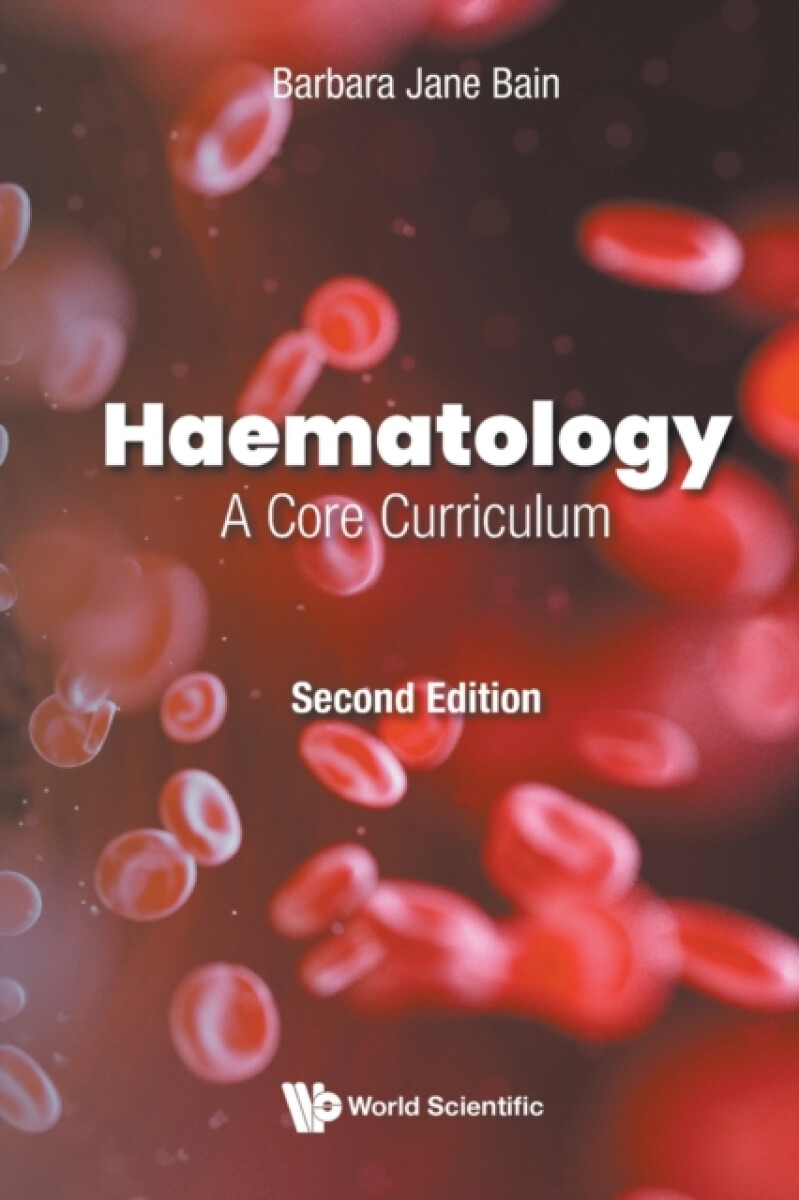 Haematology: A Core Curriculum (Second Edition) - Barbara Jane Bain
od $94.38
Haematology: A Core Curriculum (Second Edition) - Barbara Jane Bain
od $94.38
 College Algebra - Robert Blitzer
od $101.64
College Algebra - Robert Blitzer
od $101.64
 Golden 3017 Soft Gel saténový 3,78 l
od $140.45
Golden 3017 Soft Gel saténový 3,78 l
od $140.45
 Crop Pollination by Bees, Volume 2 - Dr Keith Delaplane
od $144.85
Crop Pollination by Bees, Volume 2 - Dr Keith Delaplane
od $144.85
 WHILE EAST MEETS WEST - Ching-hwang Yen
od $130.68
WHILE EAST MEETS WEST - Ching-hwang Yen
od $130.68