
Quantitative Risk Management Using Python
☆☆☆☆☆
(0 opinii)
Najniższa cena (z dostawą)
37,78 CAD
Typowa cena836,94 PLN
Najniższa (90 dni)45,50 PLN
Liczba ofert3
Ostatnia aktualizacja1 dzień temu
| Sprzedawca | Cena produktu | Dostawa | Razem | Dostępność | Aktualizacja | |
|---|---|---|---|---|---|---|
| VI VitalSource | 22,78 CAD | 15,00 CAD | 37,78 CAD | Dostępny | 2 dni temu | Zobacz ofertę |
| SP Springer Nature Author | 7 864,00 JPY | 15,00 JPY | 7 879,00 JPY | Dostępny | 1 dzień temu | Zobacz ofertę |
| SP SpringerNatureLink Shop INT | 60,49 EUR | 29,00 EUR | 89,49 EUR | Dostępny | 1 dzień temu | Zobacz ofertę |
Ceny i dostępność mogą ulec zmianie. Ostatnia aktualizacja: 08.08.2026 11:33.
EAN
9798868815294
Springer Nature
0,0
☆☆☆☆☆
0 opinii
5★
0%
4★
0%
3★
0%
2★
0%
1★
0%
Opinie o produkcie
Brak opinii — bądź pierwszy!
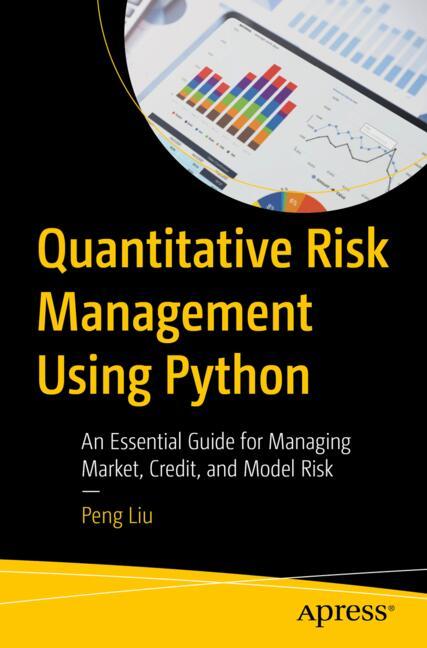
Gain an understanding of various financial risks, the benefits of portfolio diversification, and the fundamental trade-off between risk and return. This book takes an in-depth journey into the world of quantitative risk management using Python, focusing on credit and market risk, with an extension to model risk. You'll start by reviewing the different types of financial risk, the benefit of diversification in a portfolio, and the fundamental trade-off between risk and return. The book then offers an in-depth look at managing credit and market risk in today's dynamic markets, all with practical Python implementations. Moving on, you’ll examine common hedging strategies used to manage investment positions, along with practical implementations on evaluating risk-adjusted, as well as downside risk measures. Finally, you’ll be introduced to common risks related to the development and use of machine learning models in finance. Whether you're a finance professional, academic, or student, Quantitative Risk Management Using Python will empower you to make informed decisions in today's complex financial landscape. What You Will Learn Explore techniques to assess and manage the risk of default by borrowers or counterparties. Identify, measure, and mitigate risks arising from fluctuations in market prices. Understand how derivatives can be employed for risk management purposes. Delve into both static and dynamic hedging techniques to protect investment positions, including practical applications for evaluating risk-adjusted and downside risk measures. Identify and address risks associated with the development and deployment of machine learning models in financial contexts. Who This Book Is For Finance professionals, academics, and students seeking to deepen their understanding of Quantitative Risk Management using Python, especially those interested in navigating the intricate domains of credit, market and model risk within the financial sector and beyond.