
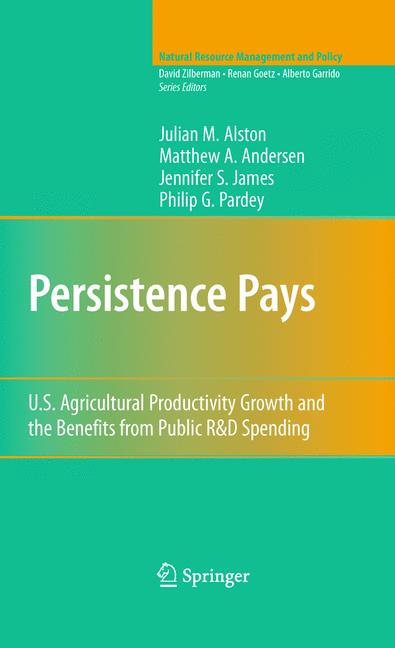
Persistence Pays
☆☆☆☆☆
(0 opinii)
Najniższa cena (z dostawą)
28 599,00 JPY
Typowa cena3 976,19 PLN
Najniższa (90 dni)179,99 PLN
Liczba ofert7
Ostatnia aktualizacja1 tydzień temu
Historia ceny (90 dni)
Pełna historia
2026-08-08
2026-08-15
| Zaktualizowano | Cena |
|---|---|
| 2026-08-08 | 179,99 |
| 2026-08-15 | 207,99 |
| Sprzedawca | Cena produktu | Dostawa | Razem | Dostępność | Aktualizacja | |
|---|---|---|---|---|---|---|
| SP SpringerNatureLink Shop INT | 28 599,00 JPY | 0 zł | 28 599,00 JPY | Dostępny | 6 dni temu | Zobacz ofertę |
| SP Springer Nature Author | 28 599,00 JPY | 25,00 JPY | 28 624,00 JPY | Dostępny | 1 tydzień temu | Zobacz ofertę |
| SP SpringerNatureLink Shop INT | 199,99 USD | 19,00 USD | 218,99 USD | Dostępny | 6 dni temu | Zobacz ofertę |
| SP SpringerNatureLink Shop INT | 199,99 USD | 29,00 USD | 228,99 USD | Dostępny | 6 dni temu | Zobacz ofertę |
| SP SpringerNatureLink Shop INT | 219,99 USD | 15,00 USD | 234,99 USD | Dostępny | 6 dni temu | Zobacz ofertę |
| SP SpringerNatureLink Shop INT | 219,99 USD | 29,00 USD | 248,99 USD | Dostępny | 6 dni temu | Zobacz ofertę |
| SP SpringerNatureLink Shop INT | 236,00 EUR | 25,00 EUR | 261,00 EUR | Dostępny | 6 dni temu | Zobacz ofertę |
Ceny i dostępność mogą ulec zmianie. Ostatnia aktualizacja: 08.08.2026 23:38.
0,0
☆☆☆☆☆
0 opinii
5★
0%
4★
0%
3★
0%
2★
0%
1★
0%
Opinie o produkcie
Brak opinii — bądź pierwszy!
gricultural science policy in the United States has profoundly affected the growth and development of agriculture worldwide, not just in the A United States. Over the past 150 years, and especially over the second th half of the 20 Century, public investments in agricultural R&D in the United States grew faster than the value of agricultural production. Public spending on agricultural science grew similarly in other more-developed countries, and c- lectively these efforts, along with private spending, spurred agricultural prod- tivity growth in rich and poor nations alike. The value of this investment is seldom fully appreciated. The resulting p- ductivity improvements have released labor and other resources for alternative uses—in 1900, 29. 2 million Americans (39 percent of the population) were - rectly engaged in farming compared with just 2. 9 million (1. 1 percent) today— while making food and fiber more abundant and cheaper. The benefits are not confined to Americans. U. S. agricultural science has contributed with others to growth in agricultural productivity in many other countries as well as the Un- ed States. The world’s population more than doubled from around 3 billion in 1961 to 6. 54 billion in 2006 (U. S. Census Bureau 2009). Over the same period, production of important grain crops (including maize, wheat and rice) almost trebled, such that global per capita grain production was 18 percent higher in 2006.
Podobne produkty
 50 Years of Philosophy and Medicine
od $107.30
50 Years of Philosophy and Medicine
od $107.30
 Understanding Cybersecurity Law and Digital Privacy
od $122.63
Understanding Cybersecurity Law and Digital Privacy
od $122.63
 Decisions in International Trade and Logistics
od $122.63
Decisions in International Trade and Logistics
od $122.63
 Advances in Economic Measurement
od $122.63
Advances in Economic Measurement
od $122.63
 Nanomaterials
od $137.96
Nanomaterials
od $137.96
 Sustainable Scaffolds-based Strategies in Tissue Engineering and Regenerative Medicine
od $162.87
Sustainable Scaffolds-based Strategies in Tissue Engineering and Regenerative Medicine
od $162.87
 Narratives in Educational Research
od $162.87
Narratives in Educational Research
od $162.87
 Environmental Biology of the Young Chinese Sturgeon
od $210.78
Environmental Biology of the Young Chinese Sturgeon
od $210.78