
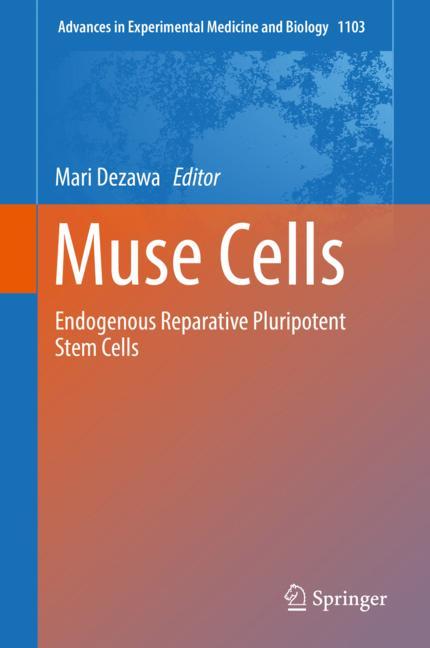
Muse Cells
☆☆☆☆☆
(0 opinii)
Najniższa cena (z dostawą)
22 908,00 JPY
Typowa cena2 597,28 PLN
Najniższa (90 dni)128,39 PLN
Liczba ofert6
Ostatnia aktualizacja1 tydzień temu
Historia ceny (90 dni)
Pełna historia
2026-08-08
2026-08-15
| Zaktualizowano | Cena |
|---|---|
| 2026-08-08 | 128,39 |
| 2026-08-15 | 139,99 |
| Sprzedawca | Cena produktu | Dostawa | Razem | Dostępność | Aktualizacja | |
|---|---|---|---|---|---|---|
| SP SpringerNatureLink Shop INT | 22 879,00 JPY | 29,00 JPY | 22 908,00 JPY | Dostępny | 1 tydzień temu | Zobacz ofertę |
| SP Springer Nature Author | 22 879,00 JPY | 15,00 JPY | 22 894,00 JPY | Dostępny | 1 tydzień temu | Zobacz ofertę |
| SP SpringerNatureLink Shop INT | 159,99 USD | 0 zł | 159,99 USD | Dostępny | 1 tydzień temu | Zobacz ofertę |
| SP SpringerNatureLink Shop INT | 179,99 USD | 29,00 USD | 208,99 USD | Dostępny | 1 tydzień temu | Zobacz ofertę |
| SP SpringerNatureLink Shop INT | 179,99 USD | 25,00 USD | 204,99 USD | Dostępny | 1 tydzień temu | Zobacz ofertę |
| SP SpringerNatureLink Shop INT | 189,00 EUR | 0 zł | 189,00 EUR | Dostępny | 1 tydzień temu | Zobacz ofertę |
Ceny i dostępność mogą ulec zmianie. Ostatnia aktualizacja: 15.08.2026 04:46.
0,0
☆☆☆☆☆
0 opinii
5★
0%
4★
0%
3★
0%
2★
0%
1★
0%
Opinie o produkcie
Brak opinii — bądź pierwszy!
This book provides the first comprehensive account of multilineage-differentiating stress-enduring (Muse) cells, a pluripotent and non-tumorigenic subpopulation of mesenchymal stem cells (MSCs) that have the ability to detect damage signals, migrate to damaged sites, and spontaneously differentiate into cells compatible with the affected tissue, thereby enabling repair of all tissue types. The coverage encompasses everything from the basic properties of Muse cells to their tissue repair effects and potential clinical applications—for example, in acute myocardial infarction, stroke, skin injuries and ulcers, renal failure, and liver disease. An important technical chapter provides a practical and precise protocol for the isolation of Muse cells, which will enable readers to use Muse cells in their own research. In offering fascinating insights into the strategic organization of the body’s reparative function and explaining how full utilization of Muse cells may significantly enhancethe effectiveness of MSC treatment, the book will be of high value for Ph.D. students, postdocs, basic researchers, clinical doctors, and industrial developers.
Podobne produkty
 50 Years of Philosophy and Medicine
od $107.30
50 Years of Philosophy and Medicine
od $107.30
 Understanding Cybersecurity Law and Digital Privacy
od $122.63
Understanding Cybersecurity Law and Digital Privacy
od $122.63
 Decisions in International Trade and Logistics
od $122.63
Decisions in International Trade and Logistics
od $122.63
 Advances in Economic Measurement
od $122.63
Advances in Economic Measurement
od $122.63
 Nanomaterials
od $137.96
Nanomaterials
od $137.96
 Sustainable Scaffolds-based Strategies in Tissue Engineering and Regenerative Medicine
od $162.87
Sustainable Scaffolds-based Strategies in Tissue Engineering and Regenerative Medicine
od $162.87
 Narratives in Educational Research
od $162.87
Narratives in Educational Research
od $162.87
 Environmental Biology of the Young Chinese Sturgeon
od $210.78
Environmental Biology of the Young Chinese Sturgeon
od $210.78