
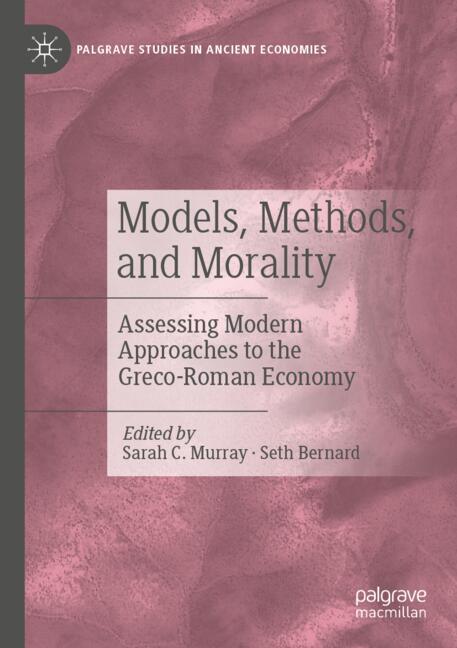
Models, Methods, and Morality
☆☆☆☆☆
(0 opinii)
Najniższa cena (z dostawą)
190,05 EUR
Typowa cena5 655,38 PLN
Najniższa (90 dni)172,26 PLN
Liczba ofert3
Ostatnia aktualizacja1 tydzień temu
Historia ceny (90 dni)
Pełna historia
2026-08-08
2026-08-15
| Zaktualizowano | Cena |
|---|---|
| 2026-08-08 | 172,26 |
| 2026-08-15 | 172,26 |
| Sprzedawca | Cena produktu | Dostawa | Razem | Dostępność | Aktualizacja | |
|---|---|---|---|---|---|---|
| SP SpringerNatureLink Shop INT | 190,05 EUR | 0 zł | 190,05 EUR | Dostępny | 1 dzień temu | Zobacz ofertę |
| SP SpringerNatureLink Shop INT | 32 889,00 JPY | 0 zł | 32 889,00 JPY | Dostępny | 1 dzień temu | Zobacz ofertę |
| SP Springer Nature Author | 32 889,00 JPY | 0 zł | 32 889,00 JPY | Dostępny | 1 tydzień temu | Zobacz ofertę |
Ceny i dostępność mogą ulec zmianie. Ostatnia aktualizacja: 08.08.2026 22:59.
EAN
9783031582127
Springer Nature
0,0
☆☆☆☆☆
0 opinii
5★
0%
4★
0%
3★
0%
2★
0%
1★
0%
Opinie o produkcie
Brak opinii — bądź pierwszy!
This edited volume presents a multi-perspectival inquiry into the models that have shaped the study of ancient economies in past decades. The contributions collected here respond to the prevailing tendency to measure ancient Mediterranean economies using methods and techniques designed for assessing the performance of modern economies, considering a range of approaches that might generate a more socially and morally attuned history of the ancient Mediterranean. The volume explores the challenges of quantification and critically examines the ideological assumptions implicit within the models usually applied to the study of ancient economic performance. The chapters advocate for more inclusive alternatives to traditional ideas of ‘growth’ that take factors such as social inequality, fairness, wellbeing and the relationship between humans and the natural environment into consideration. The book examines through a series of different questions the importance of querying the appropriateness of economic methods from an ethical or socially aware position. Rather than condemning older models, methods, and points of view for their inadequacies, this book focuses on leveraging the benefits from existing methods in economics and suggesting new frameworks to reach toward historical approaches that are both methodologically sophisticated and attuned to the moral, ethical, and political concerns of the twenty-first century. This book will be a valuable resource for interdisciplinary researchers in economics, economic history, ancient history and archaeology.
Podobne produkty
 50 Years of Philosophy and Medicine
od $107.30
50 Years of Philosophy and Medicine
od $107.30
 Understanding Cybersecurity Law and Digital Privacy
od $122.63
Understanding Cybersecurity Law and Digital Privacy
od $122.63
 Decisions in International Trade and Logistics
od $122.63
Decisions in International Trade and Logistics
od $122.63
 Advances in Economic Measurement
od $122.63
Advances in Economic Measurement
od $122.63
 Nanomaterials
od $137.96
Nanomaterials
od $137.96
 Sustainable Scaffolds-based Strategies in Tissue Engineering and Regenerative Medicine
od $162.87
Sustainable Scaffolds-based Strategies in Tissue Engineering and Regenerative Medicine
od $162.87
 Narratives in Educational Research
od $162.87
Narratives in Educational Research
od $162.87
 Environmental Biology of the Young Chinese Sturgeon
od $210.78
Environmental Biology of the Young Chinese Sturgeon
od $210.78