
Lectins
☆☆☆☆☆
(0 opinii)
Najniższa cena (z dostawą)
13 756,00 JPY
Typowa cena3 516,88 PLN
Najniższa (90 dni)113,50 PLN
Liczba ofert3
Ostatnia aktualizacja1 tydzień temu
| Sprzedawca | Cena produktu | Dostawa | Razem | Dostępność | Aktualizacja | |
|---|---|---|---|---|---|---|
| SP SpringerNatureLink Shop INT | 13 727,00 JPY | 29,00 JPY | 13 756,00 JPY | Dostępny | 6 dni temu | Zobacz ofertę |
| SP Springer Nature Author | 13 727,00 JPY | 0 zł | 13 727,00 JPY | Dostępny | 1 tydzień temu | Zobacz ofertę |
| SP SpringerNatureLink Shop INT | 113,50 EUR | 29,00 EUR | 142,50 EUR | Dostępny | 6 dni temu | Zobacz ofertę |
Ceny i dostępność mogą ulec zmianie. Ostatnia aktualizacja: 08.08.2026 23:22.
EAN
9781402069536
Springer Nature
0,0
☆☆☆☆☆
0 opinii
5★
0%
4★
0%
3★
0%
2★
0%
1★
0%
Opinie o produkcie
Brak opinii — bądź pierwszy!
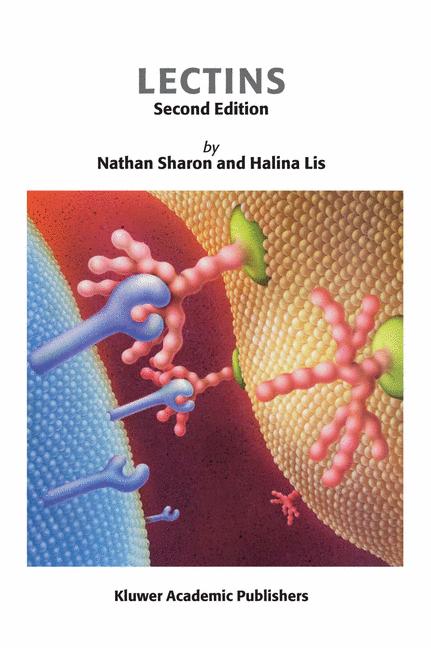
This is the second edition of our little red book Lectins published in 1989. In the intervening years well over 10,000 articles have appeared with lectins as the main subject, and more than twice as many in which they were touched upon, as well as around 20 books. In particular, great strides have been made in several areas of lectin research, about which little was known until the late 1980s. One prominent example is animal lectins, many of which have been discovered only during the last decade and the functions of several of which have been clarified, especially as to their key role in innate immunity. Another is the structure of lectins and of their combining sites. Thus, whereas at that time the three-dimensional structures of just three lectins and a few of their complexes with sugars had been elucidated, their numbers have increased to about 160 and over 200, respectively, and continue to grow unabated. Updating the information on these and other topics resulted in a marked expansion of the book, which is now nearly four times as long as the first edition, with 226 figures and 39 tables. Still, a few topics, such as carbohydrate-binding cytokines or bacterial toxins that are sometimes considered as lectins, have been dealt with only in passing. Similarly to the first edition, Lectins II starts with an overview of the history of lectin research.
Podobne produkty
 50 Years of Philosophy and Medicine
od $107.30
50 Years of Philosophy and Medicine
od $107.30
 Understanding Cybersecurity Law and Digital Privacy
od $122.63
Understanding Cybersecurity Law and Digital Privacy
od $122.63
 Decisions in International Trade and Logistics
od $122.63
Decisions in International Trade and Logistics
od $122.63
 Advances in Economic Measurement
od $122.63
Advances in Economic Measurement
od $122.63
 Nanomaterials
od $137.96
Nanomaterials
od $137.96
 Sustainable Scaffolds-based Strategies in Tissue Engineering and Regenerative Medicine
od $162.87
Sustainable Scaffolds-based Strategies in Tissue Engineering and Regenerative Medicine
od $162.87
 Narratives in Educational Research
od $162.87
Narratives in Educational Research
od $162.87
 Environmental Biology of the Young Chinese Sturgeon
od $210.78
Environmental Biology of the Young Chinese Sturgeon
od $210.78