
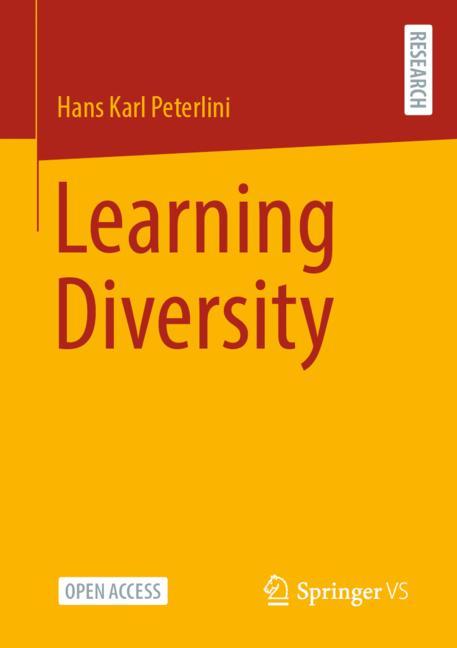
Learning Diversity
☆☆☆☆☆
(0 opinii)
Najniższa cena (z dostawą)
5 719,00 JPY
Typowa cena2 052,64 PLN
Najniższa (90 dni)34,99 PLN
Liczba ofert7
Ostatnia aktualizacja1 tydzień temu
Historia ceny (90 dni)
Pełna historia
2026-08-08
2026-08-15
| Zaktualizowano | Cena |
|---|---|
| 2026-08-08 | 39,99 |
| 2026-08-14 | 34,99 |
| 2026-08-15 | 5 719,00 |
| Sprzedawca | Cena produktu | Dostawa | Razem | Dostępność | Aktualizacja | |
|---|---|---|---|---|---|---|
| SP SpringerNatureLink Shop INT | 5 719,00 JPY | 0 zł | 5 719,00 JPY | Dostępny | 2 dni temu | Zobacz ofertę |
| SP Springer Nature Author | 5 719,00 JPY | 29,00 JPY | 5 748,00 JPY | Dostępny | 1 tydzień temu | Zobacz ofertę |
| SP SpringerNatureLink Shop INT | 39,99 USD | 19,00 USD | 58,99 USD | Dostępny | 2 dni temu | Zobacz ofertę |
| SP SpringerNatureLink Shop INT | 39,99 USD | 0 zł | 39,99 USD | Dostępny | 2 dni temu | Zobacz ofertę |
| SP SpringerNatureLink Shop INT | 44,99 USD | 25,00 USD | 69,99 USD | Dostępny | 2 dni temu | Zobacz ofertę |
| SP SpringerNatureLink Shop INT | 44,99 USD | 19,00 USD | 63,99 USD | Dostępny | 2 dni temu | Zobacz ofertę |
| SP SpringerNatureLink Shop INT | 43,99 EUR | 29,00 EUR | 72,99 EUR | Dostępny | 2 dni temu | Zobacz ofertę |
Ceny i dostępność mogą ulec zmianie. Ostatnia aktualizacja: 08.08.2026 23:09.
0,0
☆☆☆☆☆
0 opinii
5★
0%
4★
0%
3★
0%
2★
0%
1★
0%
Opinie o produkcie
Brak opinii — bądź pierwszy!
This Open-Access-book explores diversity in its ambivalence. On the one side, we love to describe diversity as a resource for personal, social, economic, and cultural growth. On the other side, categories of differences often lead to discrimination or serve as justifications for privileges. They can cause exclusion and, conversely, promote the self-constitution of discriminated subjects and groups. The book moves within this tension of exclusion and belonging. Case studies of young ethnicized people vividly depict the interwovenness of identity-building and diversity. Theoretically, the book examines the psychosocial and anthropological conditions for constructing the Other. Sharp divisions between We and the Other, between social and national groups, and between humans and nature have devastating, life-threatening consequences. Dichotomous split-offs divide people, nations and the whole world. So, how do we deal with diversity? The author does not provide simple recipesbut engages in a phenomenology of diversity that does not press life and its manifestations into categories but keeps them in a limbo of attention by affirming and doubting differences.
Podobne produkty
 50 Years of Philosophy and Medicine
od $107.30
50 Years of Philosophy and Medicine
od $107.30
 Understanding Cybersecurity Law and Digital Privacy
od $122.63
Understanding Cybersecurity Law and Digital Privacy
od $122.63
 Decisions in International Trade and Logistics
od $122.63
Decisions in International Trade and Logistics
od $122.63
 Advances in Economic Measurement
od $122.63
Advances in Economic Measurement
od $122.63
 Nanomaterials
od $137.96
Nanomaterials
od $137.96
 Sustainable Scaffolds-based Strategies in Tissue Engineering and Regenerative Medicine
od $162.87
Sustainable Scaffolds-based Strategies in Tissue Engineering and Regenerative Medicine
od $162.87
 Narratives in Educational Research
od $162.87
Narratives in Educational Research
od $162.87
 Environmental Biology of the Young Chinese Sturgeon
od $210.78
Environmental Biology of the Young Chinese Sturgeon
od $210.78