
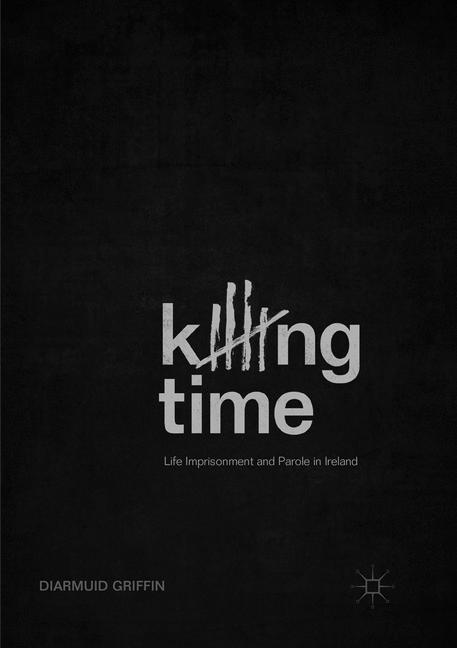
Killing Time
☆☆☆☆☆
(0 opinii)
Najniższa cena (z dostawą)
16 459,00 JPY
Typowa cena2 845,36 PLN
Najniższa (90 dni)119,59 PLN
Liczba ofert4
Ostatnia aktualizacja3 dni temu
Historia ceny (90 dni)
Pełna historia
2026-08-08
2026-08-15
| Zaktualizowano | Cena |
|---|---|
| 2026-08-08 | 119,59 |
| 2026-08-15 | 123,04 |
| Sprzedawca | Cena produktu | Dostawa | Razem | Dostępność | Aktualizacja | |
|---|---|---|---|---|---|---|
| SP SpringerNatureLink Shop INT | 16 444,00 JPY | 15,00 JPY | 16 459,00 JPY | Dostępny | 3 dni temu | Zobacz ofertę |
| SP SpringerNatureLink Shop INT | 114,99 USD | 29,00 USD | 143,99 USD | Dostępny | 3 dni temu | Zobacz ofertę |
| SP SpringerNatureLink Shop INT | 126,49 EUR | 15,00 EUR | 141,49 EUR | Dostępny | 3 dni temu | Zobacz ofertę |
| SP Springer Nature Author | 136,00 EUR | 0 zł | 136,00 EUR | Dostępny | 1 tydzień temu | Zobacz ofertę |
Ceny i dostępność mogą ulec zmianie. Ostatnia aktualizacja: 15.08.2026 08:05.
EAN
9783030102463
Springer Nature
0,0
☆☆☆☆☆
0 opinii
5★
0%
4★
0%
3★
0%
2★
0%
1★
0%
Opinie o produkcie
Brak opinii — bądź pierwszy!
Little is known about life imprisonment and the process of releasing offenders back into the community in Ireland. Addressing this scarcity of information, Griffin’s empirical study examines the legal and policy framework surrounding life imprisonment and parole. Through an analysis of the rationales expressed by parole decision-makers in the exercise of their discretionary power of release, it is revealed that decision-makers view public protection as central to the process. However, the risk of reoffending features amidst an array of other factors that also influence parole outcomes including personal interpretations of the purposes of punishment, public opinion and the political landscape within which parole operates. The findings of this study are employed to provide a rationale for the upward trend in time served by life sentence prisoners prior to release in recent times. With reform of parole now on the political agenda, will a more formal process of release operate toconstrain the increase in time served witnessed over the last number of decades or will the upward trajectory continue unabated?
Podobne produkty
 50 Years of Philosophy and Medicine
od $107.30
50 Years of Philosophy and Medicine
od $107.30
 Understanding Cybersecurity Law and Digital Privacy
od $122.63
Understanding Cybersecurity Law and Digital Privacy
od $122.63
 Decisions in International Trade and Logistics
od $122.63
Decisions in International Trade and Logistics
od $122.63
 Advances in Economic Measurement
od $122.63
Advances in Economic Measurement
od $122.63
 Nanomaterials
od $137.96
Nanomaterials
od $137.96
 Sustainable Scaffolds-based Strategies in Tissue Engineering and Regenerative Medicine
od $162.87
Sustainable Scaffolds-based Strategies in Tissue Engineering and Regenerative Medicine
od $162.87
 Narratives in Educational Research
od $162.87
Narratives in Educational Research
od $162.87
 Environmental Biology of the Young Chinese Sturgeon
od $210.78
Environmental Biology of the Young Chinese Sturgeon
od $210.78