
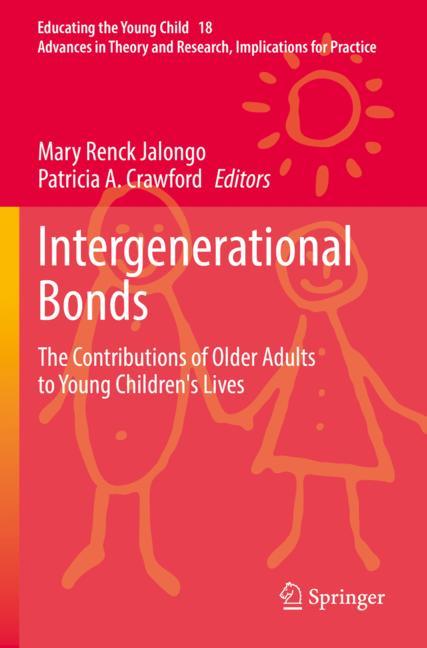
Intergenerational Bonds
☆☆☆☆☆
(0 opinii)
Najniższa cena (z dostawą)
129,00 USD
Typowa cena2 706,96 PLN
Najniższa (90 dni)117,69 PLN
Liczba ofert7
Ostatnia aktualizacja1 tydzień temu
Historia ceny (90 dni)
Pełna historia
2026-08-08
2026-08-15
| Zaktualizowano | Cena |
|---|---|
| 2026-08-08 | 117,69 |
| 2026-08-15 | 117,69 |
| Sprzedawca | Cena produktu | Dostawa | Razem | Dostępność | Aktualizacja | |
|---|---|---|---|---|---|---|
| SP SpringerNatureLink Shop INT | 129,00 USD | 0 zł | 129,00 USD | Dostępny | 6 dni temu | Zobacz ofertę |
| SP SpringerNatureLink Shop INT | 21 449,00 JPY | 15,00 JPY | 21 464,00 JPY | Dostępny | 6 dni temu | Zobacz ofertę |
| SP Springer Nature Author | 21 449,00 JPY | 19,00 JPY | 21 468,00 JPY | Dostępny | 1 tydzień temu | Zobacz ofertę |
| SP SpringerNatureLink Shop INT | 149,99 USD | 29,00 USD | 178,99 USD | Dostępny | 6 dni temu | Zobacz ofertę |
| SP SpringerNatureLink Shop INT | 169,99 USD | 0 zł | 169,99 USD | Dostępny | 6 dni temu | Zobacz ofertę |
| SP SpringerNatureLink Shop INT | 169,99 USD | 19,00 USD | 188,99 USD | Dostępny | 6 dni temu | Zobacz ofertę |
| SP SpringerNatureLink Shop INT | 177,00 EUR | 0 zł | 177,00 EUR | Dostępny | 6 dni temu | Zobacz ofertę |
Ceny i dostępność mogą ulec zmianie. Ostatnia aktualizacja: 08.08.2026 23:28.
0,0
☆☆☆☆☆
0 opinii
5★
0%
4★
0%
3★
0%
2★
0%
1★
0%
Opinie o produkcie
Brak opinii — bądź pierwszy!
This book studies the many different ways in which the lives of the first, third, and fourth generations intersect and the reciprocal benefits that can accrue from establishing positive intergenerational bonds. The unifying feature across the chapters is that the authors view these relationships as a powerful influence on Quality of Life (QoL). The book takes the stance that older adults figure prominently in the QoL of young children, with the latter group defined here as ranging in age from infancy up to and including eight years of age. It examines how bonds with older adults can affect young children’s functioning across developmental domains—physical, emotional, social, and cognitive. It addresses questions of importance to those who have a commitment to the very young such as: “What benefits can young children derive from positive bonds with older adults?”, “How do young children understand the aging process and develop respect for the elderly?”, “How can published research beused to guide both informal and formal interactions between the older generation and the newest one?” and, finally, “How can various stakeholders such as professionals, families, organizations, and communities collaborate to enrich and enlarge the kind and amount of support that older adults provide to the very young child?”
Podobne produkty
 50 Years of Philosophy and Medicine
od $107.30
50 Years of Philosophy and Medicine
od $107.30
 Understanding Cybersecurity Law and Digital Privacy
od $122.63
Understanding Cybersecurity Law and Digital Privacy
od $122.63
 Decisions in International Trade and Logistics
od $122.63
Decisions in International Trade and Logistics
od $122.63
 Advances in Economic Measurement
od $122.63
Advances in Economic Measurement
od $122.63
 Nanomaterials
od $137.96
Nanomaterials
od $137.96
 Sustainable Scaffolds-based Strategies in Tissue Engineering and Regenerative Medicine
od $162.87
Sustainable Scaffolds-based Strategies in Tissue Engineering and Regenerative Medicine
od $162.87
 Narratives in Educational Research
od $162.87
Narratives in Educational Research
od $162.87
 Environmental Biology of the Young Chinese Sturgeon
od $210.78
Environmental Biology of the Young Chinese Sturgeon
od $210.78