
Going Multiplayer
☆☆☆☆☆
(0 opinii)
Najniższa cena (z dostawą)
25,02 CAD
Typowa cena428,75 PLN
Najniższa (90 dni)25,02 PLN
Liczba ofert3
Ostatnia aktualizacja13 godzin temu
Historia ceny (90 dni)
Pełna historia
2026-08-07
2026-08-08
| Zaktualizowano | Cena |
|---|---|
| 2026-08-07 | 25,02 |
| 2026-08-08 | 44,93 |
| Sprzedawca | Cena produktu | Dostawa | Razem | Dostępność | Aktualizacja | |
|---|---|---|---|---|---|---|
| VI VitalSource | 25,02 CAD | 0 zł | 25,02 CAD | Dostępny | 1 dzień temu | Zobacz ofertę |
| SP SpringerNatureLink Shop INT | 49,70 EUR | 0 zł | 49,70 EUR | Dostępny | 13 godzin temu | Zobacz ofertę |
| SP Springer Nature Author | 8 579,00 JPY | 25,00 JPY | 8 604,00 JPY | Dostępny | 1 godzina temu | Zobacz ofertę |
Ceny i dostępność mogą ulec zmianie. Ostatnia aktualizacja: 08.08.2026 11:48.
EAN
9798868820304
Springer Nature
0,0
☆☆☆☆☆
0 opinii
5★
0%
4★
0%
3★
0%
2★
0%
1★
0%
Opinie o produkcie
Brak opinii — bądź pierwszy!
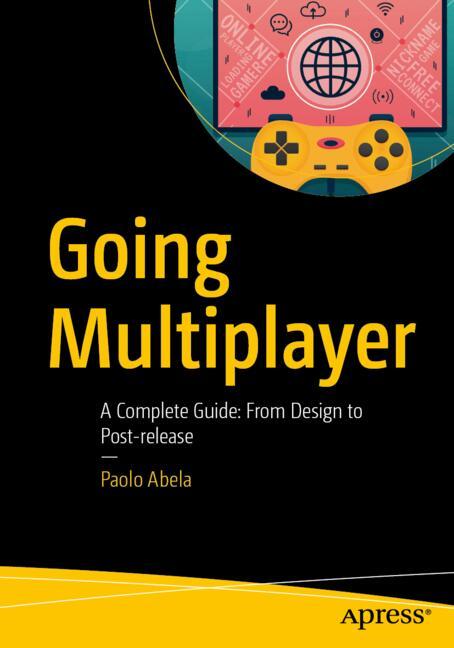
Design, implement, release, and maintain a multiplayer experience! Find out what challenges, risks, and upsides you need to be aware of from day one! Through real-world examples inspired by games such as League of Legends, Ariokan, and Morimens, the book covers the differences between developing multiplayer and single-player games, diving into the details of how the communication between different devices works, how to structure a multiplayer project depending on what you’re developing, how to prepare it for a global launch from a technical and monetization perspective, as well as how to protect the game. It also explains how to develop common features shared by several multiplayer titles. Maintaining an engine-agnostic approach as much as possible, the book uses both Unity and Epic Games products and services as a reference. The book takes the collectible card game Ariokan as a reference to explain some dynamics and challenges of multiplayer games that revolve around user-generated content. You Will Learn · What pieces you need to build to have a globally accessible multiplayer experience and how they work · How communication and synchronization work in a multiplayer game and how to design around that · The different types of monetization strategies that you can implement to generate revenue from your game · How User Generated Content-centric games work and the challenges related to them Who This Book Is For Game developers and system/economy designers working on a multiplayer project (game or experience), be it live-service or not. Networking/coding experience will help but is not essential, as the fundamental relevant concepts are covered in the book.