
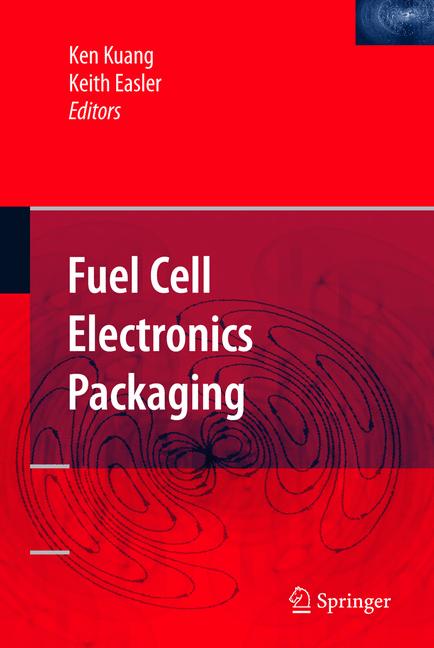
Fuel Cell Electronics Packaging
☆☆☆☆☆
(0 opinii)
Najniższa cena (z dostawą)
14 318,00 JPY
Typowa cena998,28 PLN
Najniższa (90 dni)89,99 PLN
Liczba ofert6
Ostatnia aktualizacja5 dni temu
Historia ceny (90 dni)
Pełna historia
2026-08-08
2026-08-15
| Zaktualizowano | Cena |
|---|---|
| 2026-08-08 | 89,99 |
| 2026-08-15 | 89,99 |
| Sprzedawca | Cena produktu | Dostawa | Razem | Dostępność | Aktualizacja | |
|---|---|---|---|---|---|---|
| SP SpringerNatureLink Shop INT | 14 299,00 JPY | 19,00 JPY | 14 318,00 JPY | Dostępny | 5 dni temu | Zobacz ofertę |
| SP Springer Nature Author | 14 299,00 JPY | 25,00 JPY | 14 324,00 JPY | Dostępny | 1 tydzień temu | Zobacz ofertę |
| SP SpringerNatureLink Shop INT | 99,99 USD | 25,00 USD | 124,99 USD | Dostępny | 5 dni temu | Zobacz ofertę |
| SP SpringerNatureLink Shop INT | 118,00 EUR | 29,00 EUR | 147,00 EUR | Dostępny | 5 dni temu | Zobacz ofertę |
| SP SpringerNatureLink Shop INT | 149,99 USD | 19,00 USD | 168,99 USD | Dostępny | 5 dni temu | Zobacz ofertę |
| SP SpringerNatureLink Shop INT | 149,99 USD | 15,00 USD | 164,99 USD | Dostępny | 5 dni temu | Zobacz ofertę |
Ceny i dostępność mogą ulec zmianie. Ostatnia aktualizacja: 15.08.2026 05:29.
0,0
☆☆☆☆☆
0 opinii
5★
0%
4★
0%
3★
0%
2★
0%
1★
0%
Opinie o produkcie
Brak opinii — bądź pierwszy!
A Look at Fuel Cells from Inside the Beltway It is an interesting time to be involved with fuel cells. After President Bush’s 2003 State of the Union address, companies involved in fuel cells and hydrogen were riding a wave of national att- tion. The president’s 10-year program was an exciting, long-term effort designed to dramatically change the way Americans use and harness energy. With funding proposed at $1.2 billion for the first five years, it was clear that the federal government was not only making a handsome inve- ment in fuel cells and hydrogen, but also serious about becoming more energy independent. Despite the fact that the primary focus of the new initiative revolved around automotive technologies, the President’s Hydrogen Fuel Initiative was crafted into a balanced program that benefited a wide range of te- nologies and applications, including micro, portable, stationary fuel cells. This massive effort was given an additional nod after Congress passed, and the president signed into law, the Energy Policy Act of 2005. The bill called for new levels of research and development, demonstrations, early market incentives, as well as tax credits. While the president praised the new package, and kept his commitment to the original $1.2 billion, neither he nor the Congress has yet proposed new appropriations for these programs.
Podobne produkty
 50 Years of Philosophy and Medicine
od $107.30
50 Years of Philosophy and Medicine
od $107.30
 Understanding Cybersecurity Law and Digital Privacy
od $122.63
Understanding Cybersecurity Law and Digital Privacy
od $122.63
 Decisions in International Trade and Logistics
od $122.63
Decisions in International Trade and Logistics
od $122.63
 Advances in Economic Measurement
od $122.63
Advances in Economic Measurement
od $122.63
 Nanomaterials
od $137.96
Nanomaterials
od $137.96
 Sustainable Scaffolds-based Strategies in Tissue Engineering and Regenerative Medicine
od $162.87
Sustainable Scaffolds-based Strategies in Tissue Engineering and Regenerative Medicine
od $162.87
 Narratives in Educational Research
od $162.87
Narratives in Educational Research
od $162.87
 Environmental Biology of the Young Chinese Sturgeon
od $210.78
Environmental Biology of the Young Chinese Sturgeon
od $210.78