
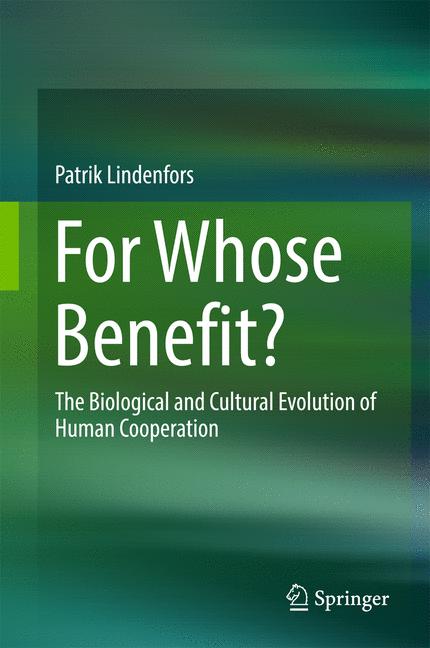
For Whose Benefit?
☆☆☆☆☆
(0 opinii)
Najniższa cena (z dostawą)
12 583,00 JPY
Typowa cena2 173,63 PLN
Najniższa (90 dni)79,50 PLN
Liczba ofert3
Ostatnia aktualizacja1 tydzień temu
Historia ceny (90 dni)
Pełna historia
2026-08-08
2026-08-15
| Zaktualizowano | Cena |
|---|---|
| 2026-08-08 | 79,50 |
| 2026-08-15 | 79,50 |
| Sprzedawca | Cena produktu | Dostawa | Razem | Dostępność | Aktualizacja | |
|---|---|---|---|---|---|---|
| SP SpringerNatureLink Shop INT | 12 583,00 JPY | 0 zł | 12 583,00 JPY | Dostępny | 3 dni temu | Zobacz ofertę |
| SP Springer Nature Author | 12 583,00 JPY | 25,00 JPY | 12 608,00 JPY | Dostępny | 1 tydzień temu | Zobacz ofertę |
| SP SpringerNatureLink Shop INT | 104,00 EUR | 25,00 EUR | 129,00 EUR | Dostępny | 3 dni temu | Zobacz ofertę |
Ceny i dostępność mogą ulec zmianie. Ostatnia aktualizacja: 08.08.2026 23:21.
EAN
9783319508740
Springer Nature
0,0
☆☆☆☆☆
0 opinii
5★
0%
4★
0%
3★
0%
2★
0%
1★
0%
Opinie o produkcie
Brak opinii — bądź pierwszy!
This book takes the reader on a journey, navigating the enigmatic aspects of cooperation; a journey that starts inside the body and continues via our thoughts to the human super-organism. Cooperation is one of life’s fundamental principles. We are all made of parts – genes, cells, organs, neurons, but also of ideas, or ‘memes’. Our societies too are made of parts – us humans. Is all this cooperation fundamentally the same process? From the smallest component parts of our bodies and minds to our complicated societies, everywhere cooperation is the organizing principle. Often this cooperation has emerged because the constituting parts have benefited from the interactions, but not seldom the cooperating units appear to lose on the interaction. How then to explain cooperation? How can we understand our intricate societies where we regularly provide small and large favors for people we are unrelated to, know, or even never expect to meet again? Where does the idea come fromthat it is right to risk one’s life for country, religion or freedom? The answers seem to reside in the two processes that have shaped humanity: biological and cultural evolution.
Podobne produkty
 50 Years of Philosophy and Medicine
od $107.30
50 Years of Philosophy and Medicine
od $107.30
 Understanding Cybersecurity Law and Digital Privacy
od $122.63
Understanding Cybersecurity Law and Digital Privacy
od $122.63
 Decisions in International Trade and Logistics
od $122.63
Decisions in International Trade and Logistics
od $122.63
 Advances in Economic Measurement
od $122.63
Advances in Economic Measurement
od $122.63
 Nanomaterials
od $137.96
Nanomaterials
od $137.96
 Sustainable Scaffolds-based Strategies in Tissue Engineering and Regenerative Medicine
od $162.87
Sustainable Scaffolds-based Strategies in Tissue Engineering and Regenerative Medicine
od $162.87
 Narratives in Educational Research
od $162.87
Narratives in Educational Research
od $162.87
 Environmental Biology of the Young Chinese Sturgeon
od $210.78
Environmental Biology of the Young Chinese Sturgeon
od $210.78