
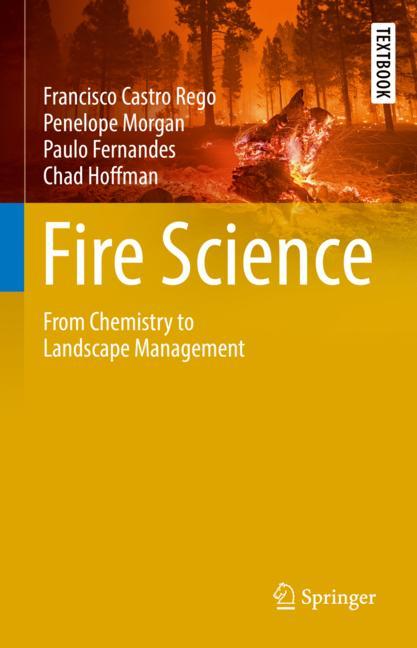
Fire Science
☆☆☆☆☆
(0 opinii)
Najniższa cena (z dostawą)
17 159,00 JPY
Typowa cena544,75 PLN
Najniższa (90 dni)50,18 PLN
Liczba ofert2
Ostatnia aktualizacja23 godziny temu
| Sprzedawca | Cena produktu | Dostawa | Razem | Dostępność | Aktualizacja | |
|---|---|---|---|---|---|---|
| SP Springer Nature Author | 17 159,00 JPY | 0 zł | 17 159,00 JPY | Dostępny | 22 godziny temu | Zobacz ofertę |
| SP SpringerNatureLink Shop INT | 109,99 GBP | 15,00 GBP | 124,99 GBP | Dostępny | 1 dzień temu | Zobacz ofertę |
Ceny i dostępność mogą ulec zmianie. Ostatnia aktualizacja: 08.08.2026 22:18.
0,0
☆☆☆☆☆
0 opinii
5★
0%
4★
0%
3★
0%
2★
0%
1★
0%
Opinie o produkcie
Brak opinii — bądź pierwszy!
This textbook provides students and academics with a conceptual understanding of fire behavior and fire effects on people and ecosystems to support effective integrated fire management. Through case studies, interactive spreadsheets programmed with equations and graphics, and clear explanations, the book provides undergraduate, graduate, and professional readers with a straightforward learning path. The authors draw from years of experience in successfully teaching fundamental concepts and applications, synthesizing cutting-edge science, and applying lessons learned from fire practitioners. We discuss fire as part of environmental and human health. Our process-based, comprehensive, and quantitative approach encompasses combustion and heat transfer, and fire effects on people, plants, soils, and animals in forest, grassland, and woodland ecosystems from around the Earth. Case studies and examples link fundamental concepts to local, landscape, and global fire implications, including social-ecological systems. Globally, fire science and integrated fire management have made major strides in the last few decades. Society faces numerous fire-related challenges, including the increasing occurrence of large fires that threaten people and property, smoke that poses a health hazard, and lengthening fire seasons worldwide. Fires are useful to suppress fires, conserve wildlife and habitat, enhance livestock grazing, manage fuels, and in ecological restoration. Understanding fire science is critical to forecasting the implication of global change for fires and their effects. Increasing the positive effects of fire (fuels reduction, enhanced habitat for many plants and animals, ecosystem services increased) while reducing the negative impacts of fires (loss of human lives, smoke and carbon emissions that threaten health, etc.) is part of making fires good servants rather than bad masters.
Podobne produkty
 Patient Safety Coaching
od $91.97
Patient Safety Coaching
od $91.97
 Ethnography and Diversity
od $69.30
Ethnography and Diversity
od $69.30
 Smart Villages
od $91.97
Smart Villages
od $91.97
 Nuclear Non-Proliferation in International Law - Volume VI
od $91.97
Nuclear Non-Proliferation in International Law - Volume VI
od $91.97
 The Price of Freedom
od $91.97
The Price of Freedom
od $91.97
 Eco-Social Policy in the OECD and the World Bank
od $91.97
Eco-Social Policy in the OECD and the World Bank
od $91.97
 Special Topics in Policing
od $122.58
Special Topics in Policing
od $122.58
 Music from the Heart
od $91.97
Music from the Heart
od $91.97