
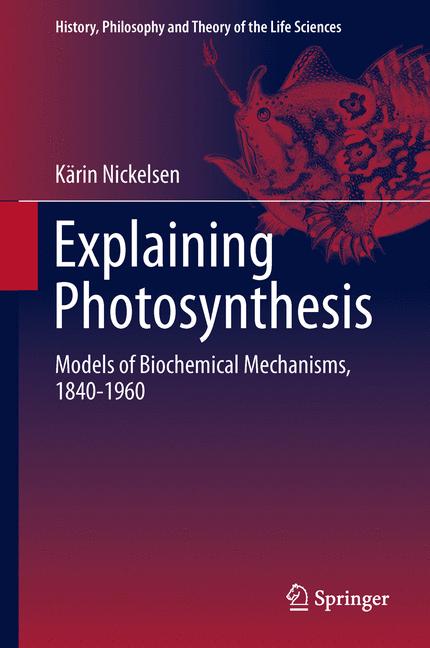
Explaining Photosynthesis
☆☆☆☆☆
(0 opinii)
Najniższa cena (z dostawą)
12 598,00 JPY
Typowa cena2 589,73 PLN
Najniższa (90 dni)79,50 PLN
Liczba ofert3
Ostatnia aktualizacja1 tydzień temu
Historia ceny (90 dni)
Pełna historia
2026-08-08
2026-08-15
| Zaktualizowano | Cena |
|---|---|
| 2026-08-08 | 79,50 |
| 2026-08-15 | 79,50 |
| Sprzedawca | Cena produktu | Dostawa | Razem | Dostępność | Aktualizacja | |
|---|---|---|---|---|---|---|
| SP SpringerNatureLink Shop INT | 12 583,00 JPY | 15,00 JPY | 12 598,00 JPY | Dostępny | 1 tydzień temu | Zobacz ofertę |
| SP Springer Nature Author | 12 583,00 JPY | 25,00 JPY | 12 608,00 JPY | Dostępny | 1 tydzień temu | Zobacz ofertę |
| SP SpringerNatureLink Shop INT | 104,00 EUR | 15,00 EUR | 119,00 EUR | Dostępny | 1 tydzień temu | Zobacz ofertę |
Ceny i dostępność mogą ulec zmianie. Ostatnia aktualizacja: 08.08.2026 23:21.
EAN
9789401795821
Springer Nature
0,0
☆☆☆☆☆
0 opinii
5★
0%
4★
0%
3★
0%
2★
0%
1★
0%
Opinie o produkcie
Brak opinii — bądź pierwszy!
Recounting the compelling story of a scientific discovery that took more than a century to complete, this trail-blazing monograph focuses on methodological issues and is the first to delve into this subject. This book charts how the biochemical and biophysical mechanisms of photosynthesis were teased out by succeeding generations of scientists, and the author highlights the reconstruction of the heuristics of modelling the mechanism—analyzed at both individual and collective levels. Photosynthesis makes for an instructive example. The first tentative ideas were developed by organic chemists around 1840, while by 1960 an elaborate proposal at a molecular level, for both light and dark reactions, was established. The latter is still assumed to be basically correct today. The author makes a persuasive case for a historically informed philosophy of science, especially regarding methodology, and advocates a history of science whose narrative deploys philosophical approaches and categories. She shows how scientists’ attempts to formulate, justify, modify, confirm or criticize their models are best interpreted as series of coordinated research actions, dependent on a network of super- and subordinated epistemic goals, and guided by recurrent heuristic strategies. With dedicated chapters on key figures such as Otto Warburg, who borrowed epistemic fundamentals from other disciplines to facilitate his own work on photosynthesis, and on more general topics relating to the development of the field after Warburg, this new work is both a philosophical reflection on the nature of scientific enquiry and a detailed history of the processes behind one of science’s most important discoveries.
Podobne produkty
 50 Years of Philosophy and Medicine
od $107.30
50 Years of Philosophy and Medicine
od $107.30
 Understanding Cybersecurity Law and Digital Privacy
od $122.63
Understanding Cybersecurity Law and Digital Privacy
od $122.63
 Decisions in International Trade and Logistics
od $122.63
Decisions in International Trade and Logistics
od $122.63
 Advances in Economic Measurement
od $122.63
Advances in Economic Measurement
od $122.63
 Nanomaterials
od $137.96
Nanomaterials
od $137.96
 Sustainable Scaffolds-based Strategies in Tissue Engineering and Regenerative Medicine
od $162.87
Sustainable Scaffolds-based Strategies in Tissue Engineering and Regenerative Medicine
od $162.87
 Narratives in Educational Research
od $162.87
Narratives in Educational Research
od $162.87
 Environmental Biology of the Young Chinese Sturgeon
od $210.78
Environmental Biology of the Young Chinese Sturgeon
od $210.78