
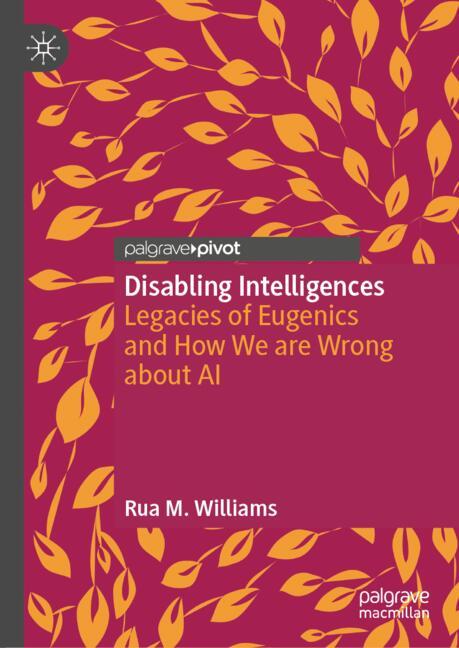
Disabling Intelligences
☆☆☆☆☆
(0 opinii)
Najniższa cena (z dostawą)
61,79 EUR
Typowa cena35,51 PLN
Najniższa (90 dni)19,16 PLN
Liczba ofert2
Ostatnia aktualizacja2 tygodnie temu
Historia ceny (90 dni)
Pełna historia
2026-08-07
2026-08-14
| Zaktualizowano | Cena |
|---|---|
| 2026-08-07 | 19,16 |
| 2026-08-08 | 42,19 |
| 2026-08-14 | 41,59 |
| Sprzedawca | Cena produktu | Dostawa | Razem | Dostępność | Aktualizacja | |
|---|---|---|---|---|---|---|
| VI VitalSource | 42,79 EUR | 19,00 EUR | 61,79 EUR | Dostępny | 2 tygodnie temu | Zobacz ofertę |
| SP SpringerNatureLink Shop INT | 47,50 EUR | 0 zł | 47,50 EUR | Dostępny | 1 tydzień temu | Zobacz ofertę |
Ceny i dostępność mogą ulec zmianie. Ostatnia aktualizacja: 08.08.2026 09:13.
EAN
9783032026644
Springer Nature
0,0
☆☆☆☆☆
0 opinii
5★
0%
4★
0%
3★
0%
2★
0%
1★
0%
Opinie o produkcie
Brak opinii — bądź pierwszy!
This book discusses the influences of eugenics on the AI industry and the impacts of AI opportunism on disabled people. Why are the negative consequences of so-called AI so consistently directed at disabled and racialized people? Disabling Intelligences answers this question by detailing the ongoing effects of the eugenicist mindset on our corporate ventures and our interpersonal relationships. It offers an accessible guide to the various meanings, methods, and impacts of AI, and provides a clear framework for classifying, categorizing, evaluating, and critiquing AI projects. Bridging the gap between STS and critical disability studies, the author centers disabled experiences to present a novel framework that helps readers transform their understandings of citizenship, consumerism, social movements, journalism, engineering, research, and scholarship. An ideal reading for academics at all levels interested in AI technologies across the social sciences and humanities, as well as engineering and computer science, this groundbreaking short monograph challenges our understanding and assumptions about technology, encompassing the history of AI and disability from popular culture to real-life case-studies. Readers will come away from this text equipped with a clarity of perception and a toolkit for evaluating and resisting metaeugenics in technology.