
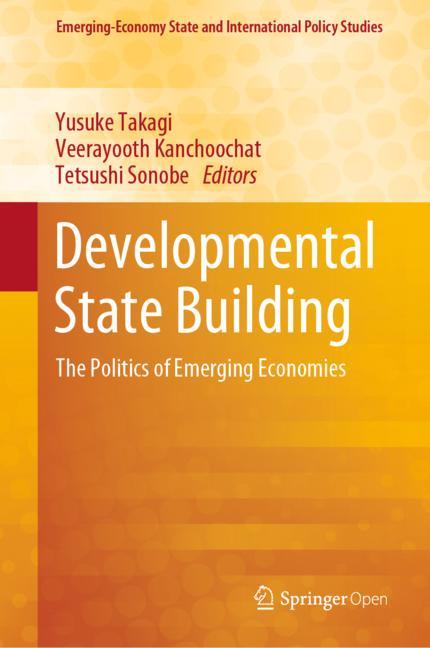
Developmental State Building
☆☆☆☆☆
(0 opinii)
Najniższa cena (z dostawą)
7 149,00 JPY
Typowa cena426,39 PLN
Najniższa (90 dni)44,99 PLN
Liczba ofert6
Ostatnia aktualizacja1 tydzień temu
Historia ceny (90 dni)
Pełna historia
2026-08-08
2026-08-15
| Zaktualizowano | Cena |
|---|---|
| 2026-08-08 | 49,99 |
| 2026-08-14 | 44,99 |
| 2026-08-15 | 51,99 |
| Sprzedawca | Cena produktu | Dostawa | Razem | Dostępność | Aktualizacja | |
|---|---|---|---|---|---|---|
| SP SpringerNatureLink Shop INT | 7 149,00 JPY | 0 zł | 7 149,00 JPY | Dostępny | 5 dni temu | Zobacz ofertę |
| SP Springer Nature Author | 7 149,00 JPY | 0 zł | 7 149,00 JPY | Dostępny | 1 tydzień temu | Zobacz ofertę |
| SP SpringerNatureLink Shop INT | 49,99 USD | 15,00 USD | 64,99 USD | Dostępny | 5 dni temu | Zobacz ofertę |
| SP SpringerNatureLink Shop INT | 54,99 EUR | 15,00 EUR | 69,99 EUR | Dostępny | 5 dni temu | Zobacz ofertę |
| SP SpringerNatureLink Shop INT | 59,99 USD | 0 zł | 59,99 USD | Dostępny | 5 dni temu | Zobacz ofertę |
| SP SpringerNatureLink Shop INT | 59,99 USD | 25,00 USD | 84,99 USD | Dostępny | 5 dni temu | Zobacz ofertę |
Ceny i dostępność mogą ulec zmianie. Ostatnia aktualizacja: 08.08.2026 23:14.
0,0
☆☆☆☆☆
0 opinii
5★
0%
4★
0%
3★
0%
2★
0%
1★
0%
Opinie o produkcie
Brak opinii — bądź pierwszy!
This open access book modifies and revitalizes the concept of the ‘developmental state’ to understand the politics of emerging economy through nuanced analysis on the roles of human agency in the context of structural transformation. In other words, there is a revived interest in the ‘developmental state’ concept. The nature of the ‘emerging state’ is characterized by its attitude toward economic development and industrialization. Emerging states have engaged in the promotion of agriculture, trade, and industry and played a transformative role to pursue a certain path of economic development. Their success has cast doubt about the principle of laissez faire among the people in the developing world. This doubt, together with the progress of democratization, has prompted policymakers to discover when and how economic policies should deviate from laissez faire, what prevents political leaders and state institutions from being captured by vested interests, and what induce them to driveeconomic development. This book offers both historical and contemporary case studies from Japan, South Korea, Taiwan, Singapore, Indonesia, Malaysia, Myanmar, Ethiopia, Kenya, and Rwanda. They illustrate how institutions are designed to be developmental, how political coalitions are formed to be growth-oriented, and how technocratic agencies are embedded in a network of business organizations as a part of their efforts for state building.
Podobne produkty
 50 Years of Philosophy and Medicine
od $107.30
50 Years of Philosophy and Medicine
od $107.30
 Understanding Cybersecurity Law and Digital Privacy
od $122.63
Understanding Cybersecurity Law and Digital Privacy
od $122.63
 Decisions in International Trade and Logistics
od $122.63
Decisions in International Trade and Logistics
od $122.63
 Advances in Economic Measurement
od $122.63
Advances in Economic Measurement
od $122.63
 Nanomaterials
od $137.96
Nanomaterials
od $137.96
 Sustainable Scaffolds-based Strategies in Tissue Engineering and Regenerative Medicine
od $162.87
Sustainable Scaffolds-based Strategies in Tissue Engineering and Regenerative Medicine
od $162.87
 Narratives in Educational Research
od $162.87
Narratives in Educational Research
od $162.87
 Environmental Biology of the Young Chinese Sturgeon
od $210.78
Environmental Biology of the Young Chinese Sturgeon
od $210.78