
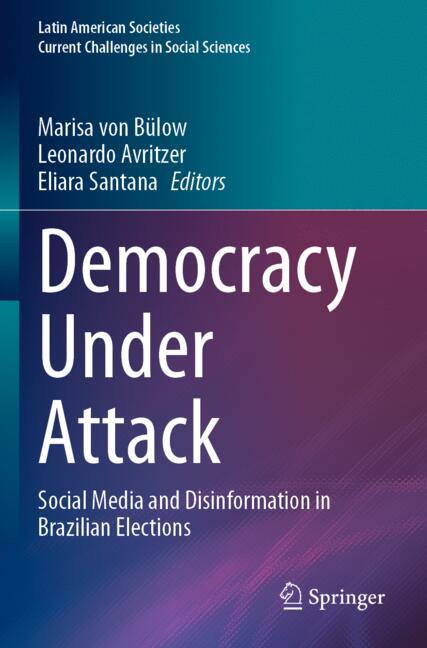
Democracy Under Attack
☆☆☆☆☆
(0 opinii)
Najniższa cena (z dostawą)
40 039,00 JPY
Typowa cena2 790,38 PLN
Najniższa (90 dni)291,19 PLN
Liczba ofert2
Ostatnia aktualizacja1 tydzień temu
Historia ceny (90 dni)
Pełna historia
2026-08-08
2026-08-15
| Zaktualizowano | Cena |
|---|---|
| 2026-08-08 | 291,19 |
| 2026-08-15 | 295,39 |
| Sprzedawca | Cena produktu | Dostawa | Razem | Dostępność | Aktualizacja | |
|---|---|---|---|---|---|---|
| SP Springer Nature Author | 40 039,00 JPY | 0 zł | 40 039,00 JPY | Dostępny | 1 tydzień temu | Zobacz ofertę |
| SP SpringerNatureLink Shop INT | 330,50 EUR | 0 zł | 330,50 EUR | Dostępny | 4 dni temu | Zobacz ofertę |
Ceny i dostępność mogą ulec zmianie. Ostatnia aktualizacja: 08.08.2026 23:40.
EAN
9783031669804
Springer Nature
0,0
☆☆☆☆☆
0 opinii
5★
0%
4★
0%
3★
0%
2★
0%
1★
0%
Opinie o produkcie
Brak opinii — bądź pierwszy!
This book makes a significant contribution to ongoing discussions about the crisis of democracy by delving into the impacts of digital communication technologies on the 2022 Brazilian elections. Written by a multidisciplinary group of experts in the field of digital politics, the chapters explore not only how these technologies are appropriated by political actors, but also how the affordances offered by digital platforms and their role in promoting them affect electoral integrity. Consequently, the book also contributes to debates concerning the urgent necessity of regulating digital corporations. In facing the potentially harmful effects of the uses of digital technologies on electoral integrity, the Brazilian case offers key lessons. Brazil stands as one of the most important global democracies, but it is also one that has been under attack from autocratic and extremist forces in the past decade. These forces have leveraged digital communication technologies extensively to advance their agendas and launch disinformation campaigns. Furthermore, the country is one of the main markets for digital companies. Their role in Brazil and how Brazilian actors react to them has a widespread impact in Latin America and beyond. As this book shows, the 2022 electoral process serves as a compelling case study of how various actors, including electoral authorities, civil society organizations, journalists, scholars, and prodemocracy activists, came together in the months leading up to the election to combat the rampant abuses facilitated by digital technologies and defend electoral integrity. Because of the similarities between the Brazilian context and the challenges being faced by other democracies, this book will be of interest to a broad international audience that is worried about the crisis of democracy and its resilience, as well as the impacts of asymmetric polarization.
Podobne produkty
 50 Years of Philosophy and Medicine
od $107.30
50 Years of Philosophy and Medicine
od $107.30
 Understanding Cybersecurity Law and Digital Privacy
od $122.63
Understanding Cybersecurity Law and Digital Privacy
od $122.63
 Decisions in International Trade and Logistics
od $122.63
Decisions in International Trade and Logistics
od $122.63
 Advances in Economic Measurement
od $122.63
Advances in Economic Measurement
od $122.63
 Nanomaterials
od $137.96
Nanomaterials
od $137.96
 Sustainable Scaffolds-based Strategies in Tissue Engineering and Regenerative Medicine
od $162.87
Sustainable Scaffolds-based Strategies in Tissue Engineering and Regenerative Medicine
od $162.87
 Narratives in Educational Research
od $162.87
Narratives in Educational Research
od $162.87
 Environmental Biology of the Young Chinese Sturgeon
od $210.78
Environmental Biology of the Young Chinese Sturgeon
od $210.78