
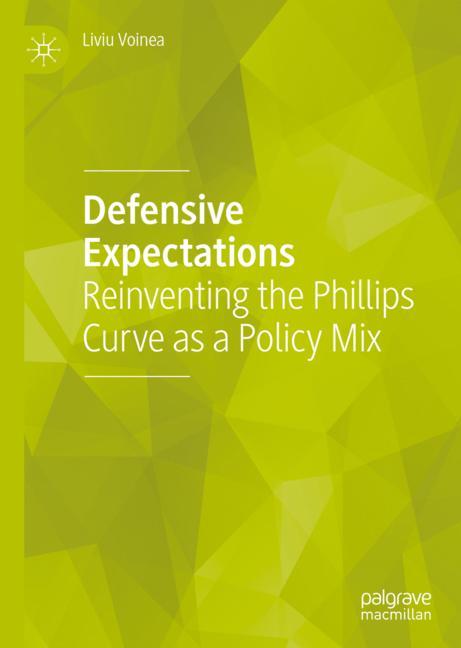
Defensive Expectations
☆☆☆☆☆
(0 opinii)
Najniższa cena (z dostawą)
83,19 EUR
Typowa cena593,30 PLN
Najniższa (90 dni)64,19 PLN
Liczba ofert4
Ostatnia aktualizacja4 dni temu
Historia ceny (90 dni)
Pełna historia
2026-08-08
2026-08-15
| Zaktualizowano | Cena |
|---|---|
| 2026-08-08 | 64,19 |
| 2026-08-15 | 88,39 |
| Sprzedawca | Cena produktu | Dostawa | Razem | Dostępność | Aktualizacja | |
|---|---|---|---|---|---|---|
| VI VitalSource | 64,19 EUR | 19,00 EUR | 83,19 EUR | Dostępny | 1 tydzień temu | Zobacz ofertę |
| SP SpringerNatureLink Shop INT | 12 154,00 JPY | 25,00 JPY | 12 179,00 JPY | Dostępny | 3 dni temu | Zobacz ofertę |
| SP Springer Nature Author | 12 154,00 JPY | 0 zł | 12 154,00 JPY | Dostępny | 1 tydzień temu | Zobacz ofertę |
| SP SpringerNatureLink Shop INT | 100,50 EUR | 29,00 EUR | 129,50 EUR | Dostępny | 4 dni temu | Zobacz ofertę |
Ceny i dostępność mogą ulec zmianie. Ostatnia aktualizacja: 15.08.2026 03:12.
EAN
9783030550448
Springer Nature
0,0
☆☆☆☆☆
0 opinii
5★
0%
4★
0%
3★
0%
2★
0%
1★
0%
Opinie o produkcie
Brak opinii — bądź pierwszy!
This book explains why inflation remains subdued after recessions, based on three revolutionary concepts: defensive expectations, compensatory savings, and cumulative wage gap. When income falls, consumption falls, and savings rise, as people rebuild their past wealth. Households will not spend more until they fully recover what they lost. The revised Phillips Curve explains that current inflation depends on the cumulative difference between current income and past income. This new theory is tested and validated by data for US since 1960 to date and for 35 OECD countries from 1990 to date. A number of policy implications are derived from these results. The book calls for an optimal policy mix between monetary policy and fiscal policy; it also discusses the coronavirus crisis as an extreme case of defensive expectations.