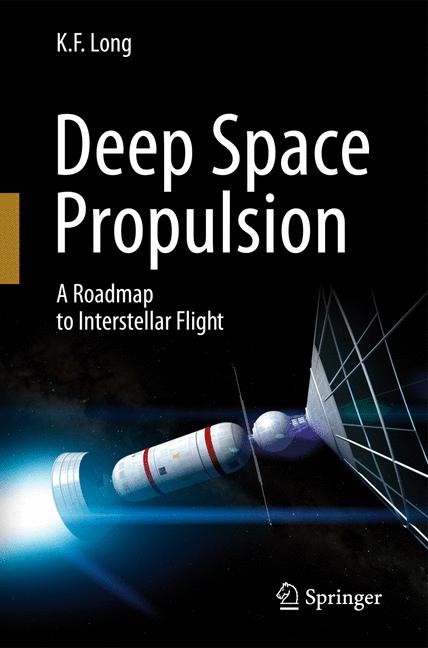
Deep Space Propulsion
☆☆☆☆☆
(0 opinii)
Najniższa cena (z dostawą)
41,99 USD
- Liczba ofert
- 6
- Ostatnia aktualizacja
- 3 miesiące temu
| Sprzedawca | Cena produktu | Dostawa | Razem | Dostępność | Aktualizacja | |
|---|---|---|---|---|---|---|
| SpringerNatureLink Shop INT | Cena produktu 41,99 USD | Dostawa 0 zł | Razem 41,99 USD | Dostępność Dostępny | Aktualizacja 3 miesiące temu | Zobacz ofertę |
| SpringerNatureLink Shop INT | Cena produktu 41,99 USD | Dostawa 25,00 USD | Razem 66,99 USD | Dostępność Dostępny | Aktualizacja 3 miesiące temu | Zobacz ofertę |
| SpringerNatureLink Shop INT | Cena produktu 44,93 EUR ▲ 27,6% | Dostawa 25,00 EUR | Razem 69,93 EUR | Dostępność Dostępny | Aktualizacja 3 miesiące temu | Zobacz ofertę |
| …i 2 innych wariantów u tego sprzedawcy (ceny od 41,99 USD do 48,99 USD) | ||||||
| Springer Nature Author | Cena produktu 48,99 USD | Dostawa 19,00 USD | Razem 67,99 USD | Dostępność Dostępny | Aktualizacja 3 miesiące temu | Zobacz ofertę |
Ceny i dostępność mogą ulec zmianie. Ostatnia aktualizacja: 08.08.2026 11:55.
0,0
☆☆☆☆☆
0 opinii
5★
0%
4★
0%
3★
0%
2★
0%
1★
0%
Opinie o produkcie
Brak opinii — bądź pierwszy!
The technology of the next few decades could possibly allow us to explore with robotic probes the closest stars outside our Solar System, and maybe even observe some of the recently discovered planets circling these stars. This book looks at the reasons for exploring our stellar neighbors and at the technologies we are developing to build space probes that can traverse the enormous distances between the stars. In order to reach the nearest stars, we must first develop a propulsion technology that would take our robotic probes there in a reasonable time. Such propulsion technology has radically different requirements from conventional chemical rockets, because of the enormous distances that must be crossed. Surprisingly, many propulsion schemes for interstellar travel have been suggested and await only practical engineering solutions and the political will to make them a reality. This is a result of the tremendous advances in astrophysics that have been made in recent decades and the perseverance and imagination of tenacious theoretical physicists. This book explores these different propulsion schemes – all based on current physics – and the challenges they present to physicists, engineers, and space exploration entrepreneurs. This book will be helpful to anyone who really wants to understand the principles behind and likely future course of interstellar travel and who wants to recognizes the distinctions between pure fantasy (such as Star Trek’s ‘warp drive’) and methods that are grounded in real physics and offer practical technological solutions for exploring the stars in the decades to come.
Podobne produkty