
Current Issues in Second Language Learning and Teaching
☆☆☆☆☆
(0 opinii)

Najniższa cena (z dostawą)
19 462,00 JPY
Typowa cena159,75 PLN
Najniższa (90 dni)159,00 PLN
Liczba ofert3
Ostatnia aktualizacja6 dni temu
Historia ceny (90 dni)
Pełna historia
2026-08-08
2026-08-15
| Zaktualizowano | Cena |
|---|---|
| 2026-08-08 | 159,00 |
| 2026-08-15 | 160,50 |
| Sprzedawca | Cena produktu | Dostawa | Razem | Dostępność | Aktualizacja | |
|---|---|---|---|---|---|---|
| SP SpringerNatureLink Shop INT | 19 447,00 JPY | 15,00 JPY | 19 462,00 JPY | Dostępny | 6 dni temu | Zobacz ofertę |
| SP Springer Nature Author | 159,00 USD | 0 zł | 159,00 USD | Dostępny | 1 tydzień temu | Zobacz ofertę |
| SP SpringerNatureLink Shop INT | 160,50 EUR | 19,00 EUR | 179,50 EUR | Dostępny | 6 dni temu | Zobacz ofertę |
Ceny i dostępność mogą ulec zmianie. Ostatnia aktualizacja: 15.08.2026 08:08.
EAN
9783032301994
Springer Nature
0,0
☆☆☆☆☆
0 opinii
5★
0%
4★
0%
3★
0%
2★
0%
1★
0%
Opinie o produkcie
Brak opinii — bądź pierwszy!
This edited volume brings together state-of-the-art contributions dealing with different aspects of learning and teaching additional languages, contributed by scholars from different parts of the world. The chapters cover a wide variety of topics, including highly innovative ones such as the links between migration and multilingualism; variable-centered, person-centered, and person-specific approaches to examining emotions in language learning; the use of artificial intelligence in mitigating boredom; problem-based learning; peer mentoring; and issues involved in the use of duoethnography. Importantly, an effort is made to illustrate how theoretical positions and research findings can translate into daily classroom practices. The book is divided into three parts, each with contributions dealing with related themes. Accordingly, Part One includes chapters focusing on multilingualism, diverse contexts in which language learning takes place, as well as different educational challenges. Part Two brings together contributions concerning individual differences in the process of second language learning and teaching, ranging from emotions to the use of grammar learning strategies. Part Three includes chapters dealing with instructional practices and research methodology, focusing, for example, on problem-based learning, peer mentoring, or AI-enhanced materials. Due to the diversity of topics covered, its innovative character, and the emphasis on demonstrating how theory and research can inform instructional practices, the book is of interest to both researchers, graduate and postgraduate students, and language teachers at different educational levels.
Podobne produkty
 Gamma Knife Neurosurgery in the Management of Intracranial Disorders
od $210.78
Gamma Knife Neurosurgery in the Management of Intracranial Disorders
od $210.78
 SDGs in Construction Economics and Organization
od $210.78
SDGs in Construction Economics and Organization
od $210.78
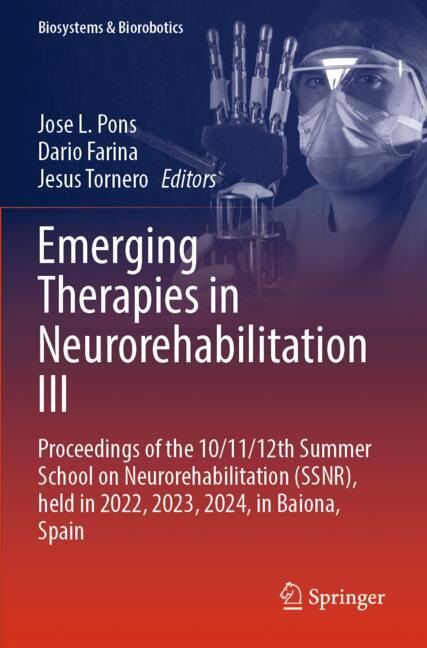 Emerging Therapies in Neurorehabilitation III
od $210.78
Emerging Therapies in Neurorehabilitation III
od $210.78
 Ground Improvement Techniques
od $220.36
Ground Improvement Techniques
od $220.36
 Anomaly Detection in Video Surveillance
od $220.36
Anomaly Detection in Video Surveillance
od $220.36
 Mechanism and Machine Science
od $287.42
Mechanism and Machine Science
od $287.42
 Protein-Protein Interactions as New Drug Targets
od $287.42
Protein-Protein Interactions as New Drug Targets
od $287.42
 Proceedings of the 7th International Conference of Transportation Research Group of India (CTRG 2023
od $287.42
Proceedings of the 7th International Conference of Transportation Research Group of India (CTRG 2023
od $287.42