
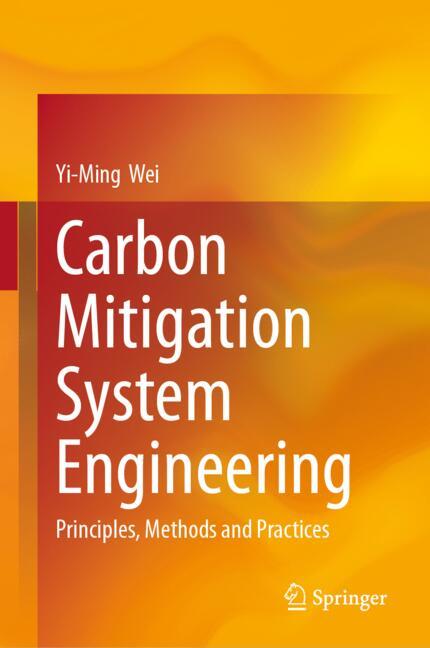
Carbon Mitigation System Engineering
☆☆☆☆☆
(0 opinii)
Najniższa cena (z dostawą)
14 318,00 JPY
Typowa cena1 080,14 PLN
Najniższa (90 dni)71,50 PLN
Liczba ofert6
Ostatnia aktualizacja1 tydzień temu
Historia ceny (90 dni)
Pełna historia
2026-08-08
2026-08-15
| Zaktualizowano | Cena |
|---|---|
| 2026-08-08 | 84,99 |
| 2026-08-15 | 71,50 |
| Sprzedawca | Cena produktu | Dostawa | Razem | Dostępność | Aktualizacja | |
|---|---|---|---|---|---|---|
| SP SpringerNatureLink Shop INT | 14 299,00 JPY | 19,00 JPY | 14 318,00 JPY | Dostępny | 6 dni temu | Zobacz ofertę |
| SP Springer Nature Author | 14 299,00 JPY | 19,00 JPY | 14 318,00 JPY | Dostępny | 1 tydzień temu | Zobacz ofertę |
| SP SpringerNatureLink Shop INT | 99,99 USD | 15,00 USD | 114,99 USD | Dostępny | 1 tydzień temu | Zobacz ofertę |
| SP SpringerNatureLink Shop INT | 109,99 USD | 19,00 USD | 128,99 USD | Dostępny | 1 tydzień temu | Zobacz ofertę |
| SP SpringerNatureLink Shop INT | 109,99 USD | 15,00 USD | 124,99 USD | Dostępny | 1 tydzień temu | Zobacz ofertę |
| SP SpringerNatureLink Shop INT | 118,00 EUR | 19,00 EUR | 137,00 EUR | Dostępny | 1 tydzień temu | Zobacz ofertę |
Ceny i dostępność mogą ulec zmianie. Ostatnia aktualizacja: 08.08.2026 23:21.
0,0
☆☆☆☆☆
0 opinii
5★
0%
4★
0%
3★
0%
2★
0%
1★
0%
Opinie o produkcie
Brak opinii — bądź pierwszy!
This book provides a comprehensive introduction to the theoretical, technological, and practical systems of carbon mitigation system engineering developed by the author’s team through long-term research and engineering practice. The book is structured into three sections: Theory, Technology, and Practice. Section I establishes the carbon mitigation system engineering theory, referred to as the “Time-Space-Efficiency-Benefit” (TSEB) coordination theory. Guided by this theory, section II establishes a comprehensive assessment technology system for carbon mitigation pathway design, officially named the China’s Climate Change Integrated Assessment Model (C³IAM). Section III addresses key engineering challenges in Carbon Capture, Utilization and Storage (CCUS) projects by employing the TSEB theory and C³IAM model. These challenges encompass project feasibility assessment, site selection, infrastructure planning, schedule management, operational optimization, and risk management. This book is tailored for professionals in carbon neutrality and emission reduction fields, including engineers, government officials, corporate managers, university students, researchers, and other stakeholders interested in climate change and energy system low-carbon transitions, as well as carbon reduction. The translation was done with the help of artificial intelligence. A subsequent human revision was done primarily in terms of content.
Podobne produkty
 50 Years of Philosophy and Medicine
od $107.30
50 Years of Philosophy and Medicine
od $107.30
 Understanding Cybersecurity Law and Digital Privacy
od $122.63
Understanding Cybersecurity Law and Digital Privacy
od $122.63
 Decisions in International Trade and Logistics
od $122.63
Decisions in International Trade and Logistics
od $122.63
 Advances in Economic Measurement
od $122.63
Advances in Economic Measurement
od $122.63
 Nanomaterials
od $137.96
Nanomaterials
od $137.96
 Sustainable Scaffolds-based Strategies in Tissue Engineering and Regenerative Medicine
od $162.87
Sustainable Scaffolds-based Strategies in Tissue Engineering and Regenerative Medicine
od $162.87
 Narratives in Educational Research
od $162.87
Narratives in Educational Research
od $162.87
 Environmental Biology of the Young Chinese Sturgeon
od $210.78
Environmental Biology of the Young Chinese Sturgeon
od $210.78