
Applying Reinforcement Learning on Real-World Data with Practical Examples in Python
☆☆☆☆☆
(0 reviews)

Lowest price (incl. delivery)
32,20 EUR
Typical price32,20 PLN
Lowest (90 days)32,20 PLN
Offers2
Last updated5일 전
| 판매자 | Product price | Delivery | 합계 | 재고 여부 | Updated | |
|---|---|---|---|---|---|---|
| SP Springer Nature Author | 32,20 EUR | free | 32,20 EUR | 구매 가능 | 1주 전 | View offer |
| SP SpringerNatureLink Shop INT | 6 291,00 JPY | free | 6 291,00 JPY | 구매 가능 | 5일 전 | View offer |
가격과 재고 여부는 변경될 수 있습니다. 마지막 업데이트: 15.08.2026 07:45.
EAN
9783031791673
Springer Nature
0,0
☆☆☆☆☆
0 reviews
5★
0%
4★
0%
3★
0%
2★
0%
1★
0%
Product reviews
No reviews yet — be the first!
Reinforcement learning is a powerful tool in artificial intelligence in which virtual or physical agents learn to optimize their decision making to achieve long-term goals. In some cases, this machine learning approach can save programmers time, outperform existing controllers, reach super-human performance, and continually adapt to changing conditions. This book argues that these successes show reinforcement learning can be adopted successfully in many different situations, including robot control, stock trading, supply chain optimization, and plant control. However, reinforcement learning has traditionally been limited to applications in virtual environments or simulations in which the setup is already provided. Furthermore, experimentation may be completed for an almost limitless number of attempts risk-free. In many real-life tasks, applying reinforcement learning is not as simple as (1) data is not in the correct form for reinforcement learning, (2) data is scarce, and (3) automation has limitations in the real-world. Therefore, this book is written to help academics, domain specialists, and data enthusiast alike to understand the basic principles of applying reinforcement learning to real-world problems. This is achieved by focusing on the process of taking practical examples and modeling standard data into the correct form required to then apply basic agents. To further assist with readers gaining a deep and grounded understanding of the approaches, the book shows hand-calculated examples in full and then how this can be achieved in a more automated manner with code. For decision makers who are interested in reinforcement learning as a solution but are not technically proficient we include simple, non-technical examples in the introduction and case studies section. These provide context of what reinforcement learning offer but also the challenges and risks associated with applying it in practice. Specifically, the book illustrates the differences between reinforcement learning and other machine learning approaches as well as how well-known companies have found success using the approach to their problems.
Similar products
 Gamma Knife Neurosurgery in the Management of Intracranial Disorders
from $210.78
Gamma Knife Neurosurgery in the Management of Intracranial Disorders
from $210.78
 SDGs in Construction Economics and Organization
from $210.78
SDGs in Construction Economics and Organization
from $210.78
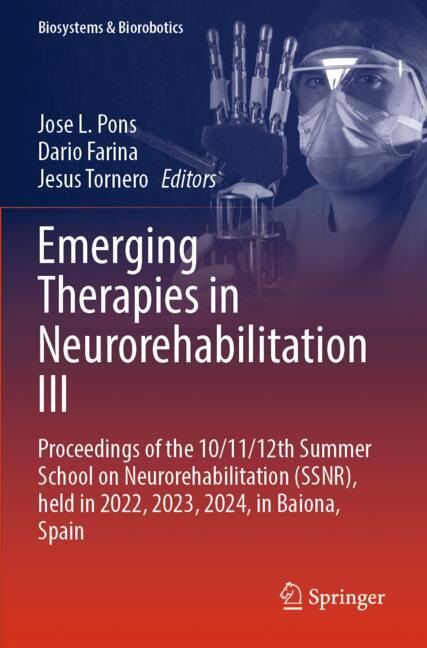 Emerging Therapies in Neurorehabilitation III
from $210.78
Emerging Therapies in Neurorehabilitation III
from $210.78
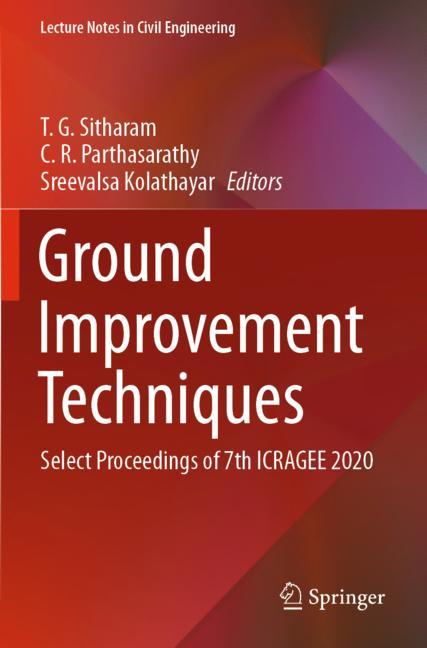 Ground Improvement Techniques
from $220.36
Ground Improvement Techniques
from $220.36
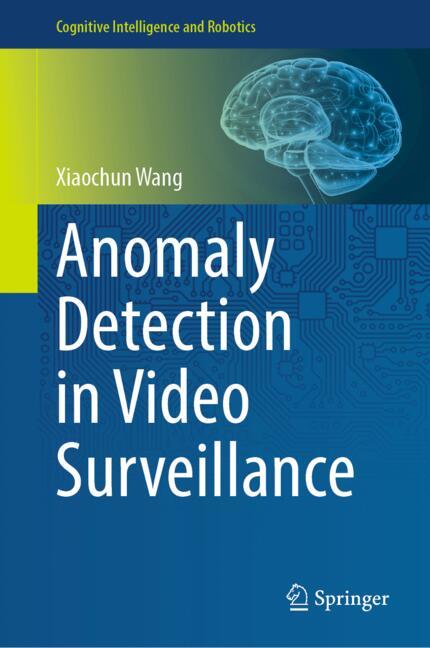 Anomaly Detection in Video Surveillance
from $220.36
Anomaly Detection in Video Surveillance
from $220.36
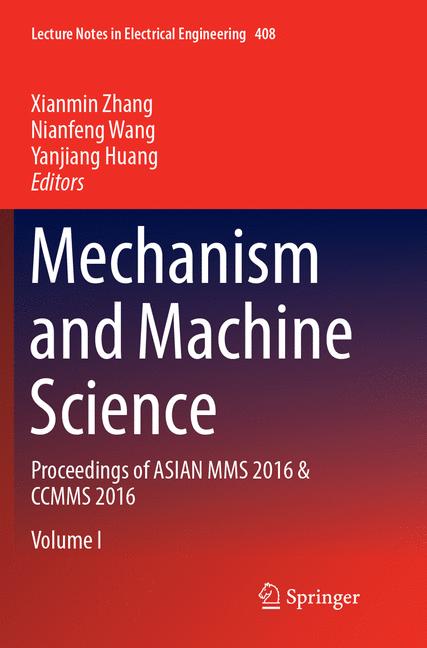 Mechanism and Machine Science
from $287.42
Mechanism and Machine Science
from $287.42
 Protein-Protein Interactions as New Drug Targets
from $287.42
Protein-Protein Interactions as New Drug Targets
from $287.42
 Proceedings of the 7th International Conference of Transportation Research Group of India (CTRG 2023
from $287.42
Proceedings of the 7th International Conference of Transportation Research Group of India (CTRG 2023
from $287.42