
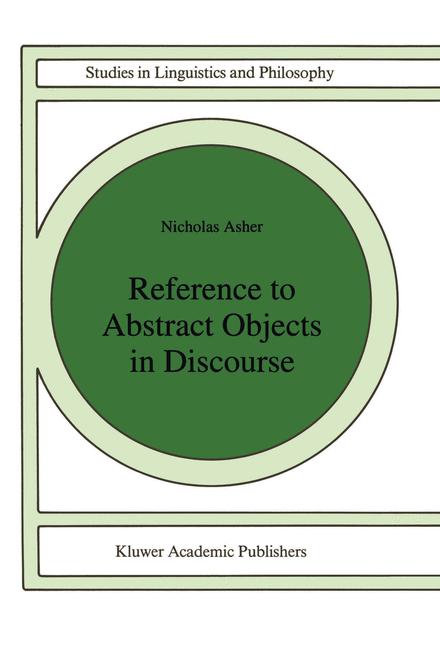
Reference to Abstract Objects in Discourse
☆☆☆☆☆
(0 reviews)
Lowest price (incl. delivery)
47 189,00 JPY
Typical price361,95 PLN
Lowest (90 days)343,19 PLN
Offers4
Last updated5日前
Price history (90 days)
Full history
2026-08-08
2026-08-15
| 更新日時 | 価格 |
|---|---|
| 2026-08-08 | 343,19 |
| 2026-08-15 | 353,09 |
| 販売者 | Product price | Delivery | 合計 | 在庫状況 | Updated | |
|---|---|---|---|---|---|---|
| SP SpringerNatureLink Shop INT | 47 189,00 JPY | free | 47 189,00 JPY | 在庫あり | 5日前 | View offer |
| SP SpringerNatureLink Shop INT | 379,99 USD | 15,00 USD | 394,99 USD | 在庫あり | 5日前 | View offer |
| SP Springer Nature Author | 379,99 USD | 15,00 USD | 394,99 USD | 在庫あり | 1週間前 | View offer |
| SP SpringerNatureLink Shop INT | 389,50 EUR | free | 389,50 EUR | 在庫あり | 5日前 | View offer |
価格や在庫状況は変更される場合があります。 最終更新: 15.08.2026 08:16.
EAN
9780792322429
Springer Nature
0,0
☆☆☆☆☆
0 reviews
5★
0%
4★
0%
3★
0%
2★
0%
1★
0%
Product reviews
No reviews yet — be the first!
Reference to Abstract Objects in Discourse presents a novel framework and analysis of the ways we refer to abstract objects in natural language discourse. The book begins with a typology of abstract objects and related entities like eventualities. After an introduction to `bottom up, compositional' discourse representation theory (DRT) and to previous work on abstract objects in DRT (notably work on the semantics of the attitudes), the book turns to a semantic analysis of eventuality and abstract object denoting nominals in English. The book then substantially revises and extends the dynamic semantic framework of DRT to develop an analysis of anaphoric reference to abstract objects and eventualities that exploits discourse structure and the discourse relations that obtain between elements of the structure. A dynamic, semantically based theory of discourse structure (SDRT) is proposed, along with many illustrative examples. Two further chapters then provide the analysis of anaphoric reference to propositions VP ellipsis. The abstract entity anaphoric antecedents are elements of the discourse structures that SDRT develops. The final chapter discusses some logical and philosophical difficulties for a semantic analysis of reference to abstract objects. For semanticists, philosophers of language, computer scientists interested in natural language applications and discourse, philosophical logicians, graduate students in linguistics, philosophy, cognitive science and artificial intelligence.
Similar products
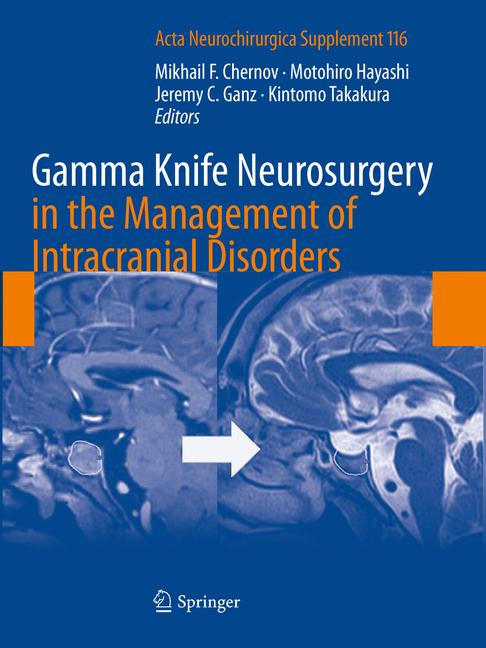 Gamma Knife Neurosurgery in the Management of Intracranial Disorders
from $210.78
Gamma Knife Neurosurgery in the Management of Intracranial Disorders
from $210.78
 SDGs in Construction Economics and Organization
from $210.78
SDGs in Construction Economics and Organization
from $210.78
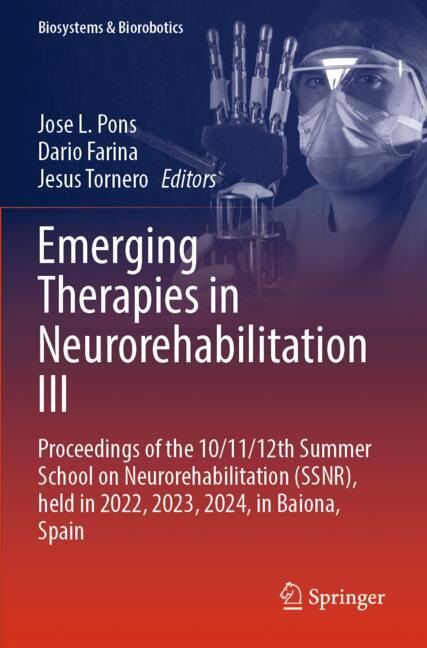 Emerging Therapies in Neurorehabilitation III
from $210.78
Emerging Therapies in Neurorehabilitation III
from $210.78
 Ground Improvement Techniques
from $220.36
Ground Improvement Techniques
from $220.36
 Anomaly Detection in Video Surveillance
from $220.36
Anomaly Detection in Video Surveillance
from $220.36
 Mechanism and Machine Science
from $287.42
Mechanism and Machine Science
from $287.42
 Protein-Protein Interactions as New Drug Targets
from $287.42
Protein-Protein Interactions as New Drug Targets
from $287.42
 Proceedings of the 7th International Conference of Transportation Research Group of India (CTRG 2023
from $287.42
Proceedings of the 7th International Conference of Transportation Research Group of India (CTRG 2023
from $287.42