
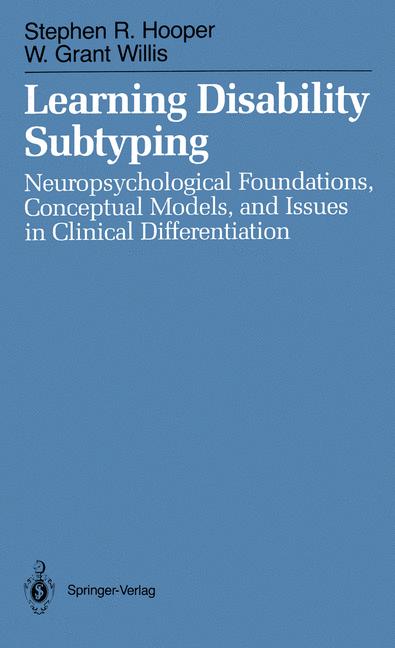
Learning Disability Subtyping
☆☆☆☆☆
(0 reviews)
Lowest price (incl. delivery)
7 149,00 JPY
Typical price491,72 PLN
Lowest (90 days)44,99 PLN
Offers6
Last updated1週間前
Price history (90 days)
Full history
2026-08-08
2026-08-15
| 更新日時 | 価格 |
|---|---|
| 2026-08-08 | 49,99 |
| 2026-08-14 | 44,99 |
| 2026-08-15 | 51,99 |
| 販売者 | Product price | Delivery | 合計 | 在庫状況 | Updated | |
|---|---|---|---|---|---|---|
| SP SpringerNatureLink Shop INT | 7 149,00 JPY | free | 7 149,00 JPY | 在庫あり | 6日前 | View offer |
| SP Springer Nature Author | 7 149,00 JPY | 19,00 JPY | 7 168,00 JPY | 在庫あり | 1週間前 | View offer |
| SP SpringerNatureLink Shop INT | 49,99 USD | 19,00 USD | 68,99 USD | 在庫あり | 6日前 | View offer |
| SP SpringerNatureLink Shop INT | 54,99 USD | free | 54,99 USD | 在庫あり | 6日前 | View offer |
| SP SpringerNatureLink Shop INT | 54,99 USD | 15,00 USD | 69,99 USD | 在庫あり | 6日前 | View offer |
| SP SpringerNatureLink Shop INT | 59,00 EUR | 15,00 EUR | 74,00 EUR | 在庫あり | 6日前 | View offer |
価格や在庫状況は変更される場合があります。 最終更新: 08.08.2026 23:12.
0,0
☆☆☆☆☆
0 reviews
5★
0%
4★
0%
3★
0%
2★
0%
1★
0%
Product reviews
No reviews yet — be the first!
The publication of this very important volume comes at a timely juncture in the history of learning disabilities. The focus of this volume is on developing a multidisciplinary understanding of the complexities of the research on learning disabilities and its various sUbtypes. It also will serve as an important compendium of the subtyping literature, particularly with respect to pertinent issues of nosology, specific sUbtyping models, neuro psychological diagnosis, and treatment. As the authors so correctly suggest, the differential diagnosis of learning disabilities subtypes is a critical first step in developing theoretically sound programs of psychoeducational intervention. Clearly, one must have some idea about the general abilities of a child before realistic expectations can be charted. Also, how can one plan a program of intervention without some knowledge of the deficient components of achievement within a do main? Does it not make both conceptual and practical sense to identify an individual's relative strengths and weaknesses so that abilities or strengths can be utilized to optimize functioning in areas of deficit? Although these all sound like reasonable precursors to assisting individuals in need of academic assistance, there are those who would argue otherwise. Impor tantly, however, the Director of the National Institutes of Health, in a recent report to Congress, advocates exactly what this volume proposes. Indeed, there are important needs to be addressed, and the literature reviewed herein strongly supports the conclusions drawn by these authors.
Similar products
 50 Years of Philosophy and Medicine
from $107.30
50 Years of Philosophy and Medicine
from $107.30
 Understanding Cybersecurity Law and Digital Privacy
from $122.63
Understanding Cybersecurity Law and Digital Privacy
from $122.63
 Decisions in International Trade and Logistics
from $122.63
Decisions in International Trade and Logistics
from $122.63
 Advances in Economic Measurement
from $122.63
Advances in Economic Measurement
from $122.63
 Nanomaterials
from $137.96
Nanomaterials
from $137.96
 Sustainable Scaffolds-based Strategies in Tissue Engineering and Regenerative Medicine
from $162.87
Sustainable Scaffolds-based Strategies in Tissue Engineering and Regenerative Medicine
from $162.87
 Narratives in Educational Research
from $162.87
Narratives in Educational Research
from $162.87
 Environmental Biology of the Young Chinese Sturgeon
from $210.78
Environmental Biology of the Young Chinese Sturgeon
from $210.78