
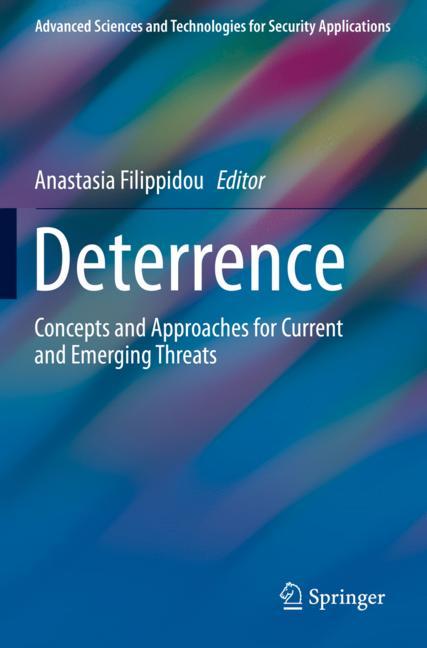
Deterrence
☆☆☆☆☆
(0 reviews)
Lowest price (incl. delivery)
18 604,00 JPY
Typical price895,65 PLN
Lowest (90 days)39,99 PLN
Offers2
Last updated16時間前
| 販売者 | Product price | Delivery | 合計 | 在庫状況 | Updated | |
|---|---|---|---|---|---|---|
| SP Springer Nature Author | 18 589,00 JPY | 15,00 JPY | 18 604,00 JPY | 在庫あり | 16時間前 | View offer |
| SP SpringerNatureLink Shop INT | 109,99 GBP | 29,00 GBP | 138,99 GBP | 在庫あり | 1日前 | View offer |
価格や在庫状況は変更される場合があります。 最終更新: 08.08.2026 23:08.
0,0
☆☆☆☆☆
0 reviews
5★
0%
4★
0%
3★
0%
2★
0%
1★
0%
Product reviews
No reviews yet — be the first!
Through the examination of different themes and subjects the book provides an in depth analysis of the concept of deterrence and its utility in dealing effectively with current threats. Although the concept of deterrence precedes the Cold War, in modern times and in its traditional form deterrence is seen as the product of the Cold War, which transformed 'narrow' deterrence approaches into widespread orthodoxy. Increasingly however emerging threats and challenges call into question the traditional concept of deterrence. There are many elements that challenge the concept of deterrence and its effectiveness. For instance it is not just that the concept can be ambiguous and broad, but also there have to be a number of conditions for it to be successfully implemented. This collection contributes to a growing field of research in a relatively under-studied area of interrogating the concept of deterrence itself through a multi-disciplinary approach. Through the use of primary and secondary sources, as well as interviews, this book covers a wide range of disciplinary approaches on deterrence and the contributors cover a broad array of subjects. The research assembled here focuses on deterring extremism, conflict resolution and diplomacy, investigating technological developments, effects of globalisation, social movements, economics, the relationship of resilience to effective deterrence, and the associated complexity of contemporary interdependencies to create a contextualised concept of modern deterrence. Social science and historical methodologies are utilized to gain a comprehensive cross-section of analysis that will reveal the strengths and weaknesses of the use of deterrence as a national security strategy, as well as highlighting the various types of power available for use by the state to create multi-faceted deterrence in order to deal effectively and efficiently with complex emerging challenges.
Similar products
 Patient Safety Coaching
from $91.97
Patient Safety Coaching
from $91.97
 Ethnography and Diversity
from $69.30
Ethnography and Diversity
from $69.30
 Smart Villages
from $91.97
Smart Villages
from $91.97
 Nuclear Non-Proliferation in International Law - Volume VI
from $91.97
Nuclear Non-Proliferation in International Law - Volume VI
from $91.97
 The Price of Freedom
from $91.97
The Price of Freedom
from $91.97
 Eco-Social Policy in the OECD and the World Bank
from $91.97
Eco-Social Policy in the OECD and the World Bank
from $91.97
 Special Topics in Policing
from $122.58
Special Topics in Policing
from $122.58
 Music from the Heart
from $91.97
Music from the Heart
from $91.97