
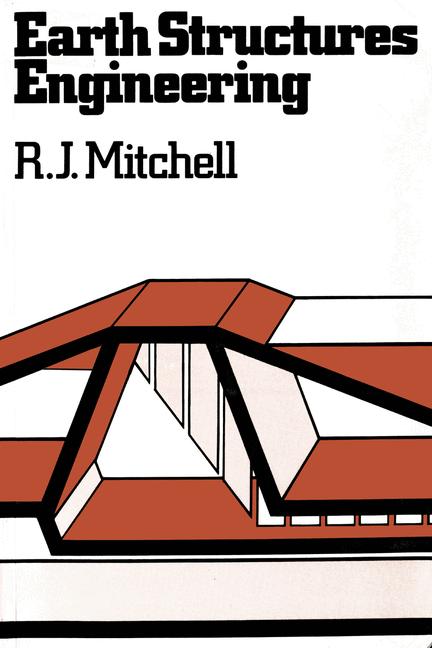
Earth Structures Engineering
☆☆☆☆☆
(0 reviews)
Lowest price (incl. delivery)
7 164,00 JPY
Typical price549,72 PLN
Lowest (90 days)44,99 PLN
Offers6
Last updated1 settimana fa
Price history (90 days)
Full history
2026-08-08
2026-08-15
| Aggiornato il | Prezzo |
|---|---|
| 2026-08-08 | 49,99 |
| 2026-08-14 | 44,99 |
| 2026-08-15 | 52,74 |
| Venditore | Product price | Delivery | Totale | Disponibilità | Updated | |
|---|---|---|---|---|---|---|
| SP SpringerNatureLink Shop INT | 7 149,00 JPY | 15,00 JPY | 7 164,00 JPY | Disponibile | 1 giorno fa | View offer |
| SP Springer Nature Author | 7 149,00 JPY | free | 7 149,00 JPY | Disponibile | 1 settimana fa | View offer |
| SP SpringerNatureLink Shop INT | 49,99 USD | free | 49,99 USD | Disponibile | 2 giorni fa | View offer |
| SP SpringerNatureLink Shop INT | 54,99 USD | free | 54,99 USD | Disponibile | 2 giorni fa | View offer |
| SP SpringerNatureLink Shop INT | 54,99 USD | 25,00 USD | 79,99 USD | Disponibile | 2 giorni fa | View offer |
| SP SpringerNatureLink Shop INT | 59,00 EUR | free | 59,00 EUR | Disponibile | 2 giorni fa | View offer |
I prezzi e la disponibilità possono variare. Ultimo aggiornamento: 08.08.2026 23:11.
0,0
☆☆☆☆☆
0 reviews
5★
0%
4★
0%
3★
0%
2★
0%
1★
0%
Product reviews
No reviews yet — be the first!
Earth structures engineering involves the analysis, design and construction of structures, such as slopes and dams, that are composed mainly of earth materials, and this is a growth area in geotechnical engineering practice. This growth is due largely to increased involvement in designing various types of earth structures for the resources industries (slopes, impoundment structures, offshore islands, mine backfills), to the development of increas ingly large hydroelectric projects, to the need for more freshwater storage and diversion schemes, and to the need for transportation, communications and other facilities in areas where the natural earth materials are occasionally subject to mass instabilities. Although geotechnical engineering transects traditional disciplinary boundaries of civil, geological and mining engineering, the majority of geotechnical engineers are graduates from civil engineering schools. Here the geotechnical instruction has been concentrated on soil mechanics and foundation engineering because foundation engineering has traditionally been the major component of geotechnical practice. Geotechnical special ists, however, generally have acquired considerable formal or informal training beyond their first engineering degree, and an advanced degree with considerable cross-discipline course content is still considered an advantage for a young engineer entering a career in geotechnical engineering. Practical job experience is, of course, a necessary part of professional development but is readily interpreted and assimilated only if the required background training has been obtained.
Similar products
 50 Years of Philosophy and Medicine
from $107.30
50 Years of Philosophy and Medicine
from $107.30
 Understanding Cybersecurity Law and Digital Privacy
from $122.63
Understanding Cybersecurity Law and Digital Privacy
from $122.63
 Decisions in International Trade and Logistics
from $122.63
Decisions in International Trade and Logistics
from $122.63
 Advances in Economic Measurement
from $122.63
Advances in Economic Measurement
from $122.63
 Nanomaterials
from $137.96
Nanomaterials
from $137.96
 Sustainable Scaffolds-based Strategies in Tissue Engineering and Regenerative Medicine
from $162.87
Sustainable Scaffolds-based Strategies in Tissue Engineering and Regenerative Medicine
from $162.87
 Narratives in Educational Research
from $162.87
Narratives in Educational Research
from $162.87
 Environmental Biology of the Young Chinese Sturgeon
from $210.78
Environmental Biology of the Young Chinese Sturgeon
from $210.78