
Communist Ghosts
☆☆☆☆☆
(0 reviews)
Lowest price (incl. delivery)
20,22 USD
Typical price56,16 PLN
Lowest (90 days)20,22 PLN
Offers7
Last updated1 settimana fa
Price history (90 days)
Full history
2026-08-08
2026-08-15
| Aggiornato il | Prezzo |
|---|---|
| 2026-08-08 | 20,22 |
| 2026-08-14 | 20,22 |
| 2026-08-15 | 79,99 |
| Venditore | Product price | Delivery | Totale | Disponibilità | Updated | |
|---|---|---|---|---|---|---|
| SP SpringerNatureLink Shop INT | 20,22 USD | free | 20,22 USD | Disponibile | 1 settimana fa | View offer |
| SP SpringerNatureLink Shop INT | 89,99 USD | 19,00 USD | 108,99 USD | Disponibile | 1 settimana fa | View offer |
| SP SpringerNatureLink Shop INT | 89,99 USD | free | 89,99 USD | Disponibile | 1 settimana fa | View offer |
| SP SpringerNatureLink Shop INT | 99,99 USD | 15,00 USD | 114,99 USD | Disponibile | 1 settimana fa | View offer |
| SP SpringerNatureLink Shop INT | 99,99 USD | free | 99,99 USD | Disponibile | 1 settimana fa | View offer |
| SP Springer Nature Author | 99,99 USD | 15,00 USD | 114,99 USD | Disponibile | 1 settimana fa | View offer |
| SP SpringerNatureLink Shop INT | 98,99 EUR | free | 98,99 EUR | Disponibile | 1 settimana fa | View offer |
I prezzi e la disponibilità possono variare. Ultimo aggiornamento: 08.08.2026 13:26.
0,0
☆☆☆☆☆
0 reviews
5★
0%
4★
0%
3★
0%
2★
0%
1★
0%
Product reviews
No reviews yet — be the first!
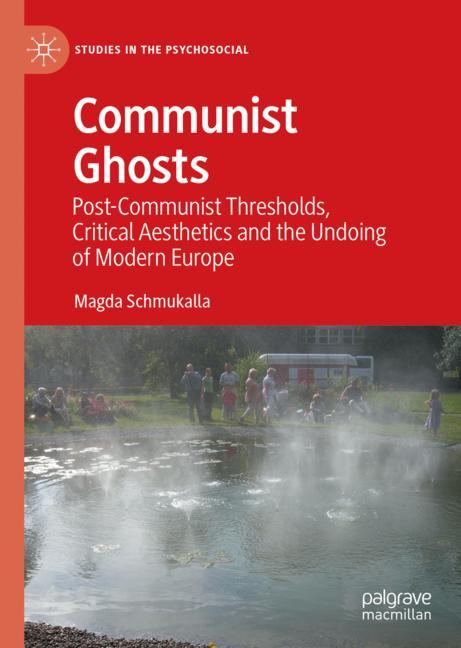
This book explores post-communist thresholds as materializations of a specific crisis of modern European identity that was caused by the existence and sudden breakdown of Soviet-type communism. It shows how post-communist thresholds emerge where relics from the communist experience continue disrupting the routines and rhythms of a modern life and confront Europeans with cultural experiences, affects and material realities of the ‘enlightened world’ which they usually seek to repress or ignore. In exploring and writing through art projects which engage with the psychosocial fabric of such post-communist thresholds, this book finds ways of speaking and thinking through these transitory and paradox sites, and asks what we can say about other or new worlds, about new beginnings and endings as well as about decolonial and ethical ways of relating to the other when assessing the status quo of European modernity from within its liminal and crisis-driven sphere.
Similar products
 50 Years of Philosophy and Medicine
from $107.30
50 Years of Philosophy and Medicine
from $107.30
 Understanding Cybersecurity Law and Digital Privacy
from $122.63
Understanding Cybersecurity Law and Digital Privacy
from $122.63
 Decisions in International Trade and Logistics
from $122.63
Decisions in International Trade and Logistics
from $122.63
 Advances in Economic Measurement
from $122.63
Advances in Economic Measurement
from $122.63
 Nanomaterials
from $137.96
Nanomaterials
from $137.96
 Sustainable Scaffolds-based Strategies in Tissue Engineering and Regenerative Medicine
from $162.87
Sustainable Scaffolds-based Strategies in Tissue Engineering and Regenerative Medicine
from $162.87
 Narratives in Educational Research
from $162.87
Narratives in Educational Research
from $162.87
 Environmental Biology of the Young Chinese Sturgeon
from $210.78
Environmental Biology of the Young Chinese Sturgeon
from $210.78