Formative Design in Learning
☆☆☆☆☆
(0 reviews)
Lowest price (incl. delivery)
139,09 EUR
- Offers
- 7
- Last updated
- 3 bulan yang lalu
| Penjual | Product price | Delivery | Total | Ketersediaan | Updated | |
|---|---|---|---|---|---|---|
| SpringerNatureLink Shop INT | Product price 139,09 EUR | Delivery free | Total 139,09 EUR | Ketersediaan Tersedia | Updated 3 bulan yang lalu | View offer |
| SpringerNatureLink Shop INT | Product price 169,99 USD | Delivery 19,00 USD | Total 188,99 USD | Ketersediaan Tersedia | Updated 3 bulan yang lalu | View offer |
| SpringerNatureLink Shop INT | Product price 169,99 USD | Delivery 15,00 USD | Total 184,99 USD | Ketersediaan Tersedia | Updated 3 bulan yang lalu | View offer |
| …and 3 more variants from this seller (prices from 139,09 EUR to 199,99 EUR) | ||||||
| Springer Nature Author | Product price 199,99 USD ▲ 10,0% | Delivery 19,00 USD | Total 218,99 USD | Ketersediaan Tersedia | Updated 3 bulan yang lalu | View offer |
Harga dan ketersediaan dapat berubah. Terakhir Diperbarui: 15.08.2026 06:38.
0,0
☆☆☆☆☆
0 reviews
5★
0%
4★
0%
3★
0%
2★
0%
1★
0%
Product reviews
No reviews yet — be the first!
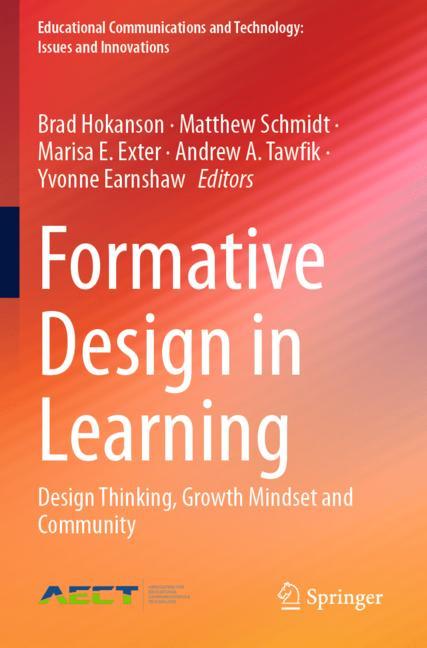
Learning design is an ill-structured process that must account for multiple stakeholders, contextual constraints, and other instructional needs. Whereas many theories outline learning theories, less is known about the formative design process and how it impacts the design and development of learning technologies. This is critical because a formative view considers the issues that educators encounter and how to overcome them during the learning design process. This edited volume provides a multi-faceted look at theories, studies, and design cases that employ formative design in learning across multiple domains. Topics include processes oriented around design thinking, design-based research, and others. Additional chapters provide contextual considerations, such as describing how formative design was used to design learning solutions for STEM learning and food banks, as well as overcoming challenges in emergency remote teaching. In doing so, the book provides an interdisciplinary view that explores how scholars and practitioners engage in formative practices that support a wide array of learners and contexts.
Similar products