
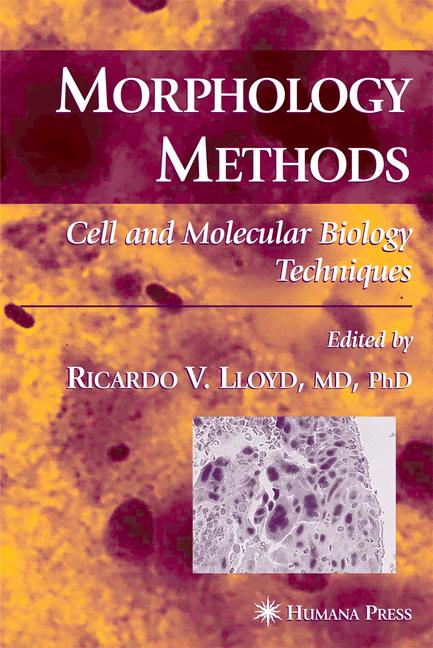
Morphology Methods
☆☆☆☆☆
(0 reviews)
Lowest price (incl. delivery)
21 449,00 JPY
Typical price3 120,11 PLN
Lowest (90 days)155,99 PLN
Offers6
Last updated1 सप्ताह पहले
Price history (90 days)
Full history
2026-08-08
2026-08-15
| अपडेट किया गया | कीमत |
|---|---|
| 2026-08-08 | 155,99 |
| 2026-08-15 | 155,99 |
| विक्रेता | Product price | Delivery | कुल | उपलब्धता | Updated | |
|---|---|---|---|---|---|---|
| SP SpringerNatureLink Shop INT | 21 449,00 JPY | free | 21 449,00 JPY | उपलब्ध | 2 दिन पहले | View offer |
| SP Springer Nature Author | 21 449,00 JPY | 19,00 JPY | 21 468,00 JPY | उपलब्ध | 1 सप्ताह पहले | View offer |
| SP SpringerNatureLink Shop INT | 149,99 USD | free | 149,99 USD | उपलब्ध | 2 दिन पहले | View offer |
| SP SpringerNatureLink Shop INT | 169,99 USD | free | 169,99 USD | उपलब्ध | 2 दिन पहले | View offer |
| SP SpringerNatureLink Shop INT | 169,99 USD | free | 169,99 USD | उपलब्ध | 2 दिन पहले | View offer |
| SP SpringerNatureLink Shop INT | 177,00 EUR | 29,00 EUR | 206,00 EUR | उपलब्ध | 2 दिन पहले | View offer |
कीमतें और उपलब्धता बदल सकती हैं। अंतिम अपडेट: 08.08.2026 23:33.
0,0
☆☆☆☆☆
0 reviews
5★
0%
4★
0%
3★
0%
2★
0%
1★
0%
Product reviews
No reviews yet — be the first!
The past several decades have witnessed an impressive array of conceptual and techno logical advances in the biomedical sciences. Much of the progress in this area has developed directly as a result of new morphology-based methods that have permitted the assessment of chemical, enzymatic, immunological, and molecular parameters at the cellular and tissue levels. Additional novel approaches including laser capture microdissection have also emerged for the acquisition of homogeneous cell popula tions for molecular analyses. These methodologies have literally reshaped the approaches to fundamental biological questions and have also had a major impact in the area of diagnostic pathology. Much of the groundwork for the development of morphological methods was estab th lished in the early part of the 19 century by Francois-Vincent Raspail, generally acknowledged as the founder of the science of histochemistry. The earliest work in the field was primarily in the hands of botanists and many of the approaches to the under standing of the chemical composition of cells and tissues involved techniques such as microincineration, which destroyed structural integrity. The development of aniline th dyes in the early 20 century served as a major impetus to studies of the structural rather than chemical composition of tissue. Later in the century, however, the focus returned to the identification of chemical constituents in the context of intact cell and tissue structure.
Similar products
 50 Years of Philosophy and Medicine
from $107.30
50 Years of Philosophy and Medicine
from $107.30
 Understanding Cybersecurity Law and Digital Privacy
from $122.63
Understanding Cybersecurity Law and Digital Privacy
from $122.63
 Decisions in International Trade and Logistics
from $122.63
Decisions in International Trade and Logistics
from $122.63
 Advances in Economic Measurement
from $122.63
Advances in Economic Measurement
from $122.63
 Nanomaterials
from $137.96
Nanomaterials
from $137.96
 Sustainable Scaffolds-based Strategies in Tissue Engineering and Regenerative Medicine
from $162.87
Sustainable Scaffolds-based Strategies in Tissue Engineering and Regenerative Medicine
from $162.87
 Narratives in Educational Research
from $162.87
Narratives in Educational Research
from $162.87
 Environmental Biology of the Young Chinese Sturgeon
from $210.78
Environmental Biology of the Young Chinese Sturgeon
from $210.78