
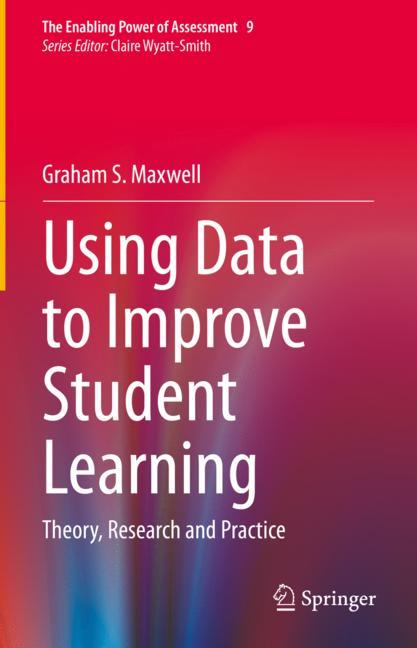
Using Data to Improve Student Learning
☆☆☆☆☆
(0 reviews)
Lowest price (incl. delivery)
20 019,00 JPY
Typical price1 959,38 PLN
Lowest (90 days)117,69 PLN
Offers6
Last updatedpřed 6 dny
Price history (90 days)
Full history
2026-08-08
2026-08-15
| Aktualizováno | Cena |
|---|---|
| 2026-08-08 | 117,69 |
| 2026-08-15 | 119,99 |
| Prodejce | Product price | Delivery | Celkem | Dostupnost | Updated | |
|---|---|---|---|---|---|---|
| SP SpringerNatureLink Shop INT | 20 019,00 JPY | free | 20 019,00 JPY | Dostupné | před 6 dny | View offer |
| SP Springer Nature Author | 20 019,00 JPY | 19,00 JPY | 20 038,00 JPY | Dostupné | před 1 týdnem | View offer |
| SP SpringerNatureLink Shop INT | 139,99 USD | free | 139,99 USD | Dostupné | před 6 dny | View offer |
| SP SpringerNatureLink Shop INT | 159,99 USD | 25,00 USD | 184,99 USD | Dostupné | před 6 dny | View offer |
| SP SpringerNatureLink Shop INT | 159,99 USD | 19,00 USD | 178,99 USD | Dostupné | před 6 dny | View offer |
| SP SpringerNatureLink Shop INT | 165,50 EUR | free | 165,50 EUR | Dostupné | před 6 dny | View offer |
Ceny a dostupnost se mohou změnit. Naposledy aktualizováno: 15.08.2026 04:16.
0,0
☆☆☆☆☆
0 reviews
5★
0%
4★
0%
3★
0%
2★
0%
1★
0%
Product reviews
No reviews yet — be the first!
This book offers a coherent research-based overview and analysis of theories and practices in using data to improve student learning. It clarifies what 'use of data' means and differentiates the different levels of decision-making in education (relating to the system, district, school, classroom, or individual student). The relationship between data and decision-making is considered and various movements in the use of data to improve student learning are analysed, especially from the perspective of their assumptions and effects. This leads to a focus on effective educational decision-making as a social process requiring collaboration among all relevant participants. It also requires a clear understanding of educational aims, and these are seen to transcend what can be assessed by standardised tests. The consequences of this analysis for decision processes are explored and conclusions are drawn about what principles might best guide educational practice as well as what ambiguities remain. Throughout, the focus is on what existing research says about each of the issues explored.
Similar products
 50 Years of Philosophy and Medicine
from $107.30
50 Years of Philosophy and Medicine
from $107.30
 Understanding Cybersecurity Law and Digital Privacy
from $122.63
Understanding Cybersecurity Law and Digital Privacy
from $122.63
 Decisions in International Trade and Logistics
from $122.63
Decisions in International Trade and Logistics
from $122.63
 Advances in Economic Measurement
from $122.63
Advances in Economic Measurement
from $122.63
 Nanomaterials
from $137.96
Nanomaterials
from $137.96
 Sustainable Scaffolds-based Strategies in Tissue Engineering and Regenerative Medicine
from $162.87
Sustainable Scaffolds-based Strategies in Tissue Engineering and Regenerative Medicine
from $162.87
 Narratives in Educational Research
from $162.87
Narratives in Educational Research
from $162.87
 Environmental Biology of the Young Chinese Sturgeon
from $210.78
Environmental Biology of the Young Chinese Sturgeon
from $210.78